Asthma Drug May Unlock Cancer Treatment for Thousands
A common asthma medication could help hard-to-treat cancers like triple-negative breast cancer respond to immunotherapy. Scientists discovered the drug reverses immune cells that tumors hijack to resist treatment.
An asthma drug that's been in medicine cabinets since 1998 might hold the key to treating cancers that don't respond to immunotherapy.
Researchers at Northwestern University discovered that montelukast, a medication millions take for asthma and allergies, can reprogram immune cells that tumors hijack for their own survival. The finding could open new treatment options for patients with triple-negative breast cancer and other hard-to-treat cancers.
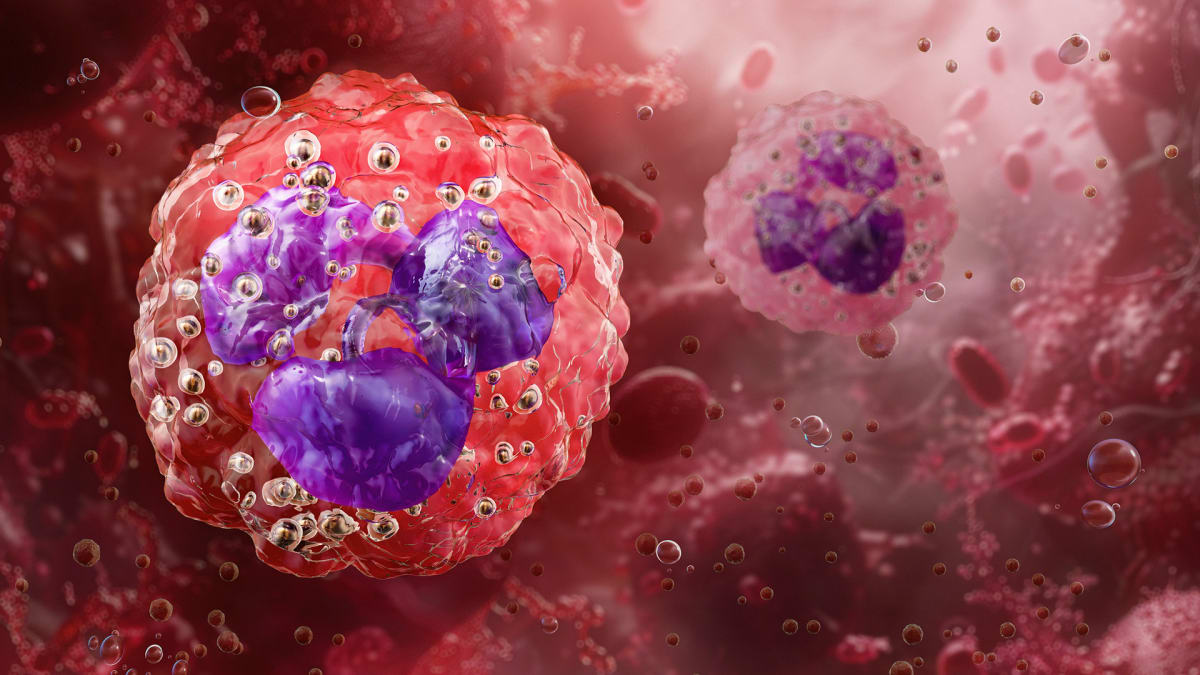
The breakthrough centers on a protein called CysLTR1. Tumor cells release chemicals that trick neutrophils, normally cancer-fighting immune cells, into becoming sleeper agents that protect the cancer instead. These corrupted cells help tumors invade healthy tissue and shield themselves from other immune responses.
Dr. Bin Zhang, who led the study published in Nature Cancer, found that blocking CysLTR1 essentially flips these cells back to the good side. When researchers tested montelukast in mice with breast, colon, and melanoma-like cancers, previously resistant tumors began responding to immunotherapy. The combination slowed tumor growth and extended survival times.
The results were strongest in triple-negative breast cancer, an aggressive form that typically resists checkpoint blockade treatments. "When checkpoint blockades and montelukast are combined together, you see beautiful results reflected by increased survival," Zhang told Live Science.
Human cell experiments showed the same mechanism at work. Blocking CysLTR1 in human blood samples stopped neutrophils from maturing into their tumor-helping form. Analysis of large cancer datasets revealed that patients with more CysLTR1 receptors tended to have worse outcomes and responded less well to immunotherapy.
Why This Inspires
For patients who've exhausted their immunotherapy options, this research offers genuine hope. The drug is already FDA-approved, affordable, and has a well-known safety profile from decades of use in asthma treatment.
Dr. Shakti Ranjan Satapathy, a cancer researcher at Lund University not involved in the study, called the work "important and timely" and said it "moves the field forward." Zhang's team is now working toward launching clinical trials, a process made easier because the drug already exists.
The discovery also helps explain why some patients don't respond to immunotherapy in the first place, potentially allowing doctors to screen for the CysLTR1 receptor and predict treatment outcomes.
A medication designed to help people breathe easier may soon help cancer patients fight harder.
More Images
Based on reporting by Live Science
This story was written by BrightWire based on verified news reports.
Spread the positivity!
Share this good news with someone who needs it