Astronaut, 2 Cosmonauts Home Safe After 241 Days in Space
A three-person crew just completed an eight-month mission aboard the International Space Station, proving that peaceful international cooperation continues 250 miles above Earth. NASA astronaut Chris Williams and two Russian cosmonauts safely touched down in Kazakhstan after orbiting our planet nearly 4,000 times.
Three spaceflyers returned home safely Sunday morning after spending 241 days living and working together aboard the International Space Station. Their successful mission shows that even as tensions rise on Earth, space remains a place where nations work side by side.
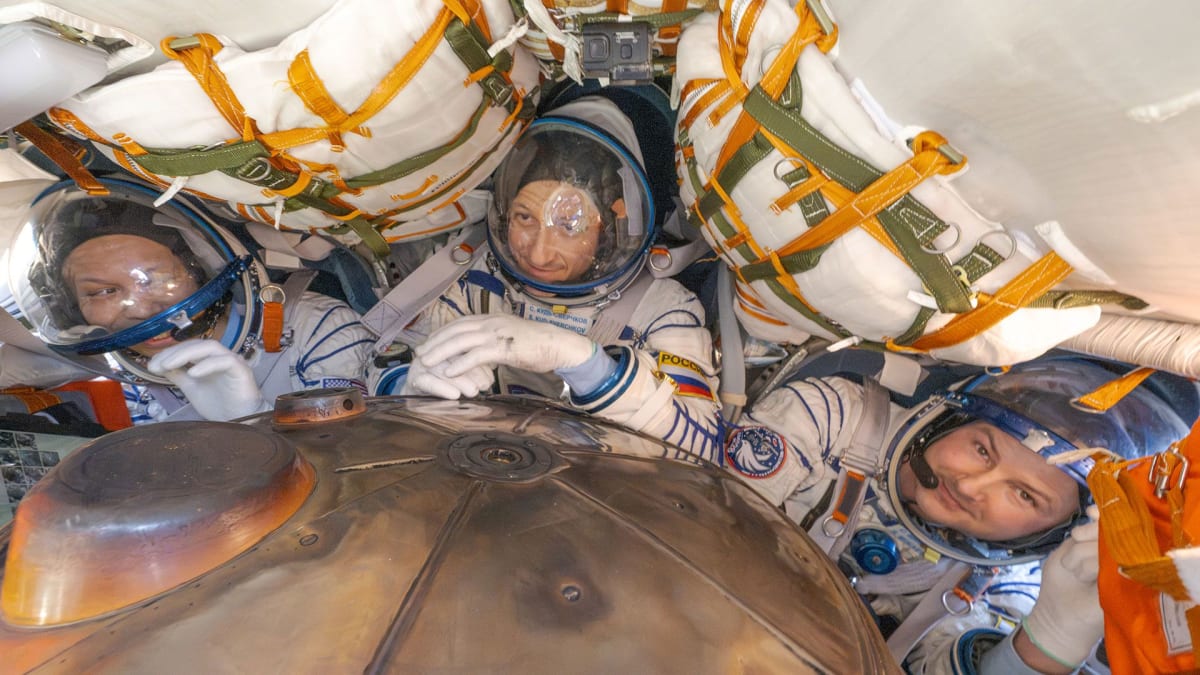
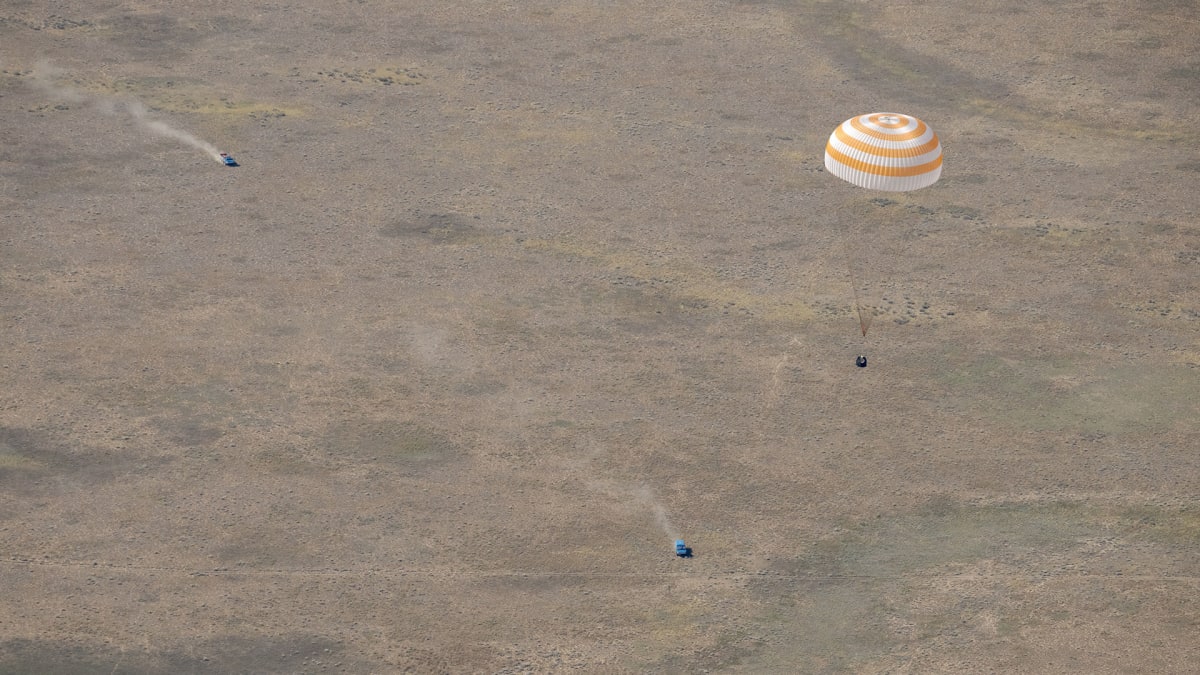
NASA astronaut Chris Williams and Russian cosmonauts Sergey Kud-Sverchkov and Sergei Mikaev landed on the Kazakhstan steppe at 6:27 a.m. EDT after their Soyuz spacecraft undocked three hours earlier. The crew traveled more than 102 million miles during their time in orbit, circling Earth 3,856 times since their Thanksgiving Day launch last November.
For Williams and Mikaev, this marked their first journey to space. Kud-Sverchkov, now a veteran of two missions, has logged over 426 days total in the cosmos.
Before departing, the crew participated in a traditional change-of-command ceremony Saturday morning. Kud-Sverchkov handed leadership of the space station to NASA astronaut Jessica Meir, marking the transition from Expedition 74 to Expedition 75.
Recovery teams quickly reached the landing site and transported the astronauts by helicopter to Karaganda, Kazakhstan. Williams will head back to NASA's Johnson Space Center in Houston, while his Russian crewmates return to their training base in Star City.
The Ripple Effect
This mission represents more than just a successful spaceflight. At a time when international relations can feel strained, the ISS stands as a powerful reminder that cooperation produces extraordinary results.
American and Russian space agencies have worked together continuously aboard the station for over two decades. Crews share meals, conduct experiments, and literally depend on each other for survival in the harsh environment of space.
The partnership also keeps critical scientific research moving forward. Studies conducted aboard the ISS advance our understanding of human health, materials science, and how to live sustainably in extreme environments.
These everyday acts of teamwork 250 miles above our planet prove that when we focus on shared goals rather than differences, remarkable things become possible.
More Images

Based on reporting by Google News - Science
This story was written by BrightWire based on verified news reports.
Spread the positivity!
Share this good news with someone who needs it