Astronauts' Brains Remember Gravity After Months in Space
New research reveals that even after six months in weightlessness, astronauts' brains can't shake their lifelong memory of gravity. The surprising discovery could change how we train crews for future Moon and Mars missions.
Your brain holds onto gravity so tightly that astronauts floating through space for months still grip objects as if they'll fall to the floor.
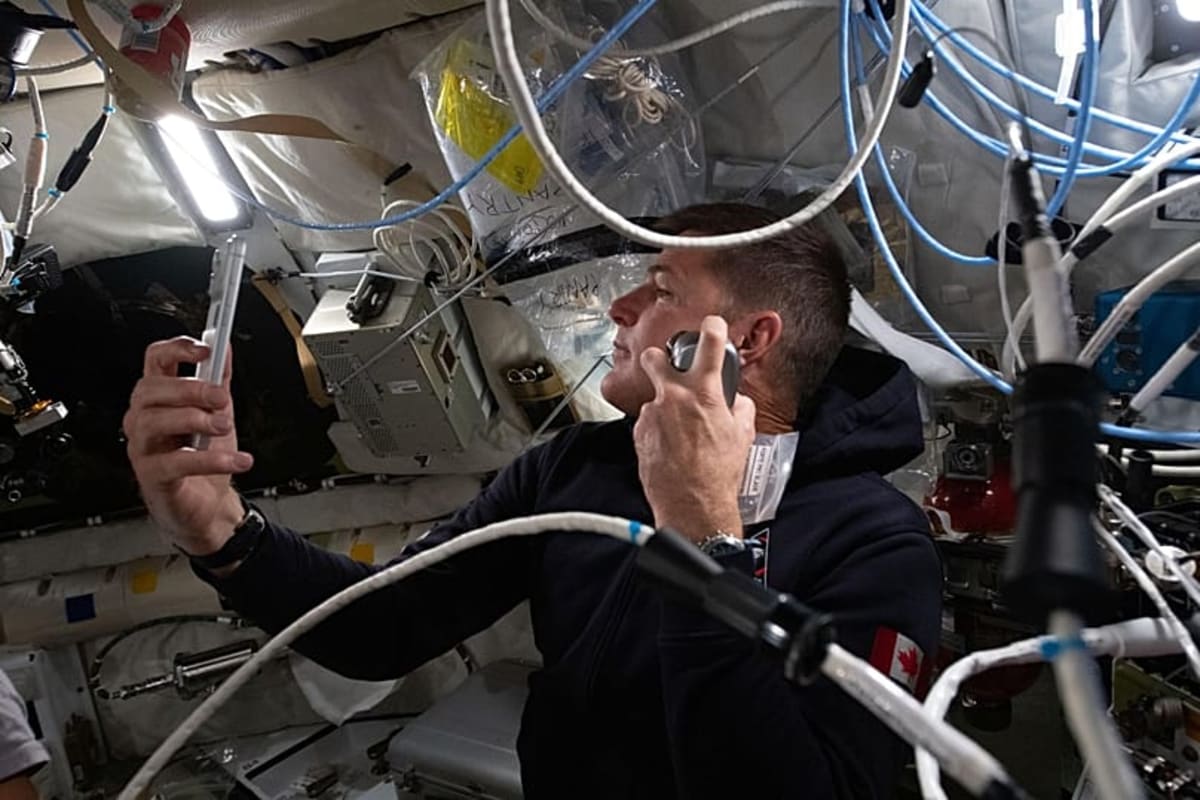
A team led by Professor Philippe Lefèvre at Université Catholique de Louvain studied 11 astronauts aboard the International Space Station during missions lasting five to six months. They discovered something remarkable: our experience with gravity runs so deep that even in weightlessness, we can't unlearn decades of Earth-based instinct.
Here's what makes this fascinating. On Earth, we automatically squeeze harder when lifting something up than when lowering it down. Gravity threatens to yank objects from our hands, so our brains compensate without us thinking about it.
In space, that logic becomes useless. An object released at any point will simply float away, so grip force should stay constant throughout any movement. Researchers expected astronauts would figure this out pretty quickly.
They were wrong. Instead of evening out their grip, astronauts did something stranger: they squeezed harder at the top of movements than at the bottom.
Lefèvre explains it as the brain overcompensating. It knows objects should feel heavy because they always have. When they don't, the brain overcorrects, creating a kind of perceptual illusion rooted in expectation.
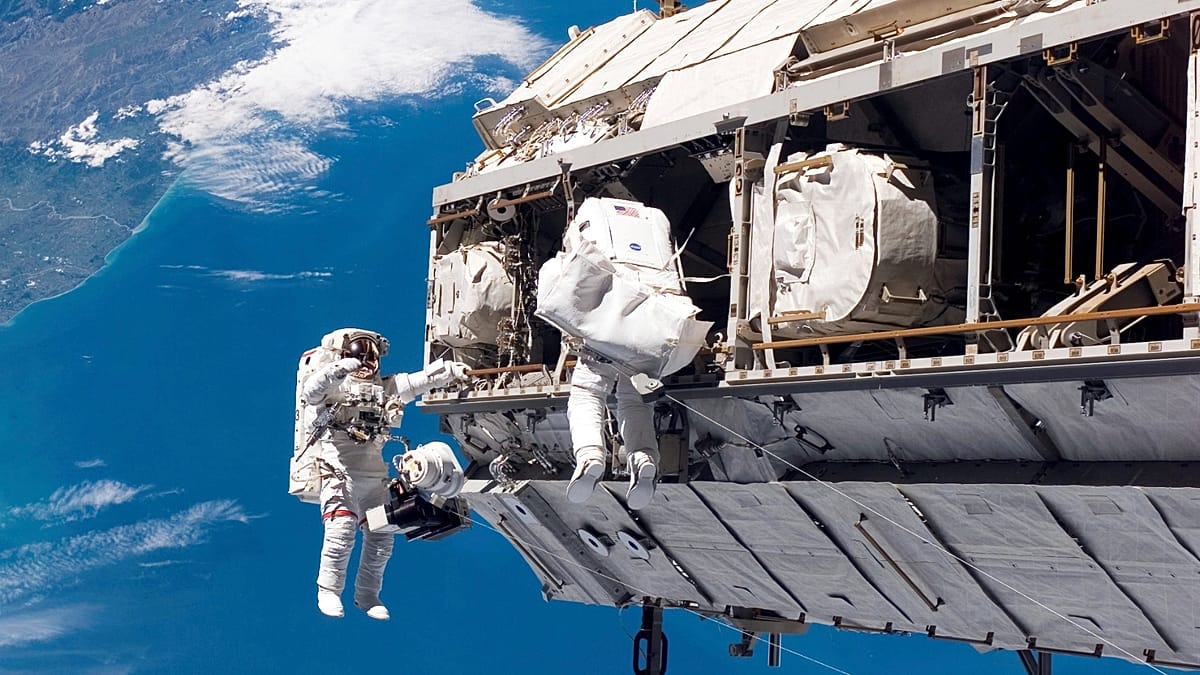
Even after half a year floating 250 miles above Earth, those decades of terrestrial training proved nearly impossible to shake.
Why This Inspires
The really hopeful part came when researchers tested astronauts just one day after splashdown. In those first movements back on Earth, crew members were still gripping as though weightless. But within just a few dozen repetitions, their grip had completely normalized.
What took months to partially adapt to in space took only minutes to readjust on Earth. The human brain's ability to relearn and recalibrate is remarkably fast when returning to familiar territory.
This discovery could transform training for future missions, especially to destinations with partial gravity like the Moon or Mars. Astronauts might need specific preparation for manipulating objects in environments where gravity exists but feels unfamiliar.
The research team, whose findings appear in the Journal of Neuroscience, says more data is coming. They're studying how astronauts react when objects unexpectedly collide, another scenario where split-second grip adjustments could make all the difference on long missions far from home.
Our brains may be stubborn about gravity, but they're also remarkably adaptable when it counts.
More Images

Based on reporting by Euronews
This story was written by BrightWire based on verified news reports.
Spread the positivity!
Share this good news with someone who needs it