Astronauts Capture First Medical X-Rays in Space
Three astronauts with just four hours of training took the first diagnostic-quality X-rays of human bodies during SpaceX's Fram2 mission, opening new possibilities for treating sick or injured crew on future deep-space voyages. For over 40 years, ultrasound has been the only imaging option available in orbit.
Astronauts just proved that getting an X-ray in space is no longer science fiction, and it could save lives on future missions to Mars and beyond.
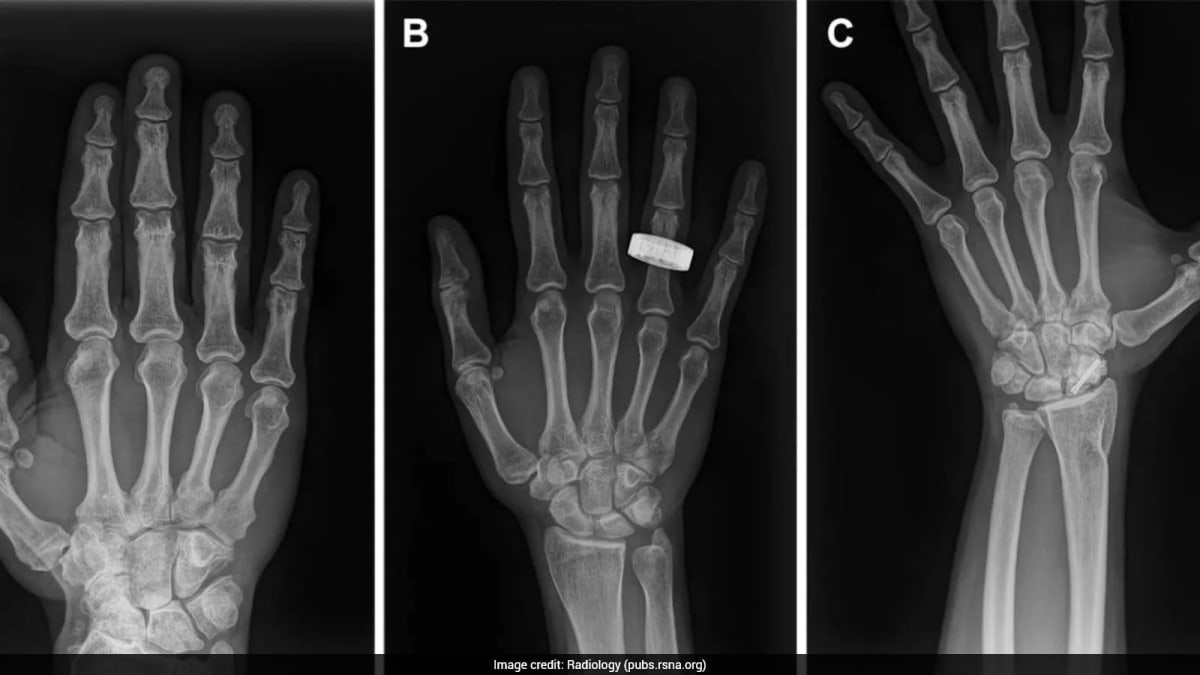
During SpaceX's 3.5-day Fram2 mission in 2025, three crew members successfully captured diagnostic-quality X-rays of their own bodies using a portable machine. The images included scans of hands, forearms, chests, abdomens, and even a smartwatch to test the equipment.
This marks the first time X-ray imaging has worked on a commercial spaceflight. Until now, astronauts have relied solely on ultrasound for medical imaging since the 1980s, but ultrasound requires extensive training, depends heavily on operator skill, and can't work in a vacuum.
Dr. Sheyna Gifford, lead researcher from Mayo Clinic, explained why this breakthrough matters so much. "It's been a dream for aerospace medicine to have more than one imaging modality for diagnosing illnesses and injuries in space," she said. "X-rays are fast, easy and diagnostically valuable."
The challenge seemed impossible for decades. Traditional X-ray machines are massive, generate dangerous radiation levels, and produce blurred images when anything moves. Since everything in space constantly moves due to microgravity, scientists assumed orbital X-rays were too technically difficult.
The solution turned out to be surprisingly simple: use the same portable X-ray machines already deployed at sporting events and in remote areas worldwide. These devices run on solar power and can be operated by people with no medical background.
The crew received just four hours of training before their mission. Once in orbit, they captured X-rays without any ground support, first testing the system on a phantom calibration object before moving to human subjects.
After the crew returned to Earth, three independent radiologists compared the space X-rays against identical scans taken before and after the flight. Every single image met clinical diagnostic standards. The only minor challenge was positioning body areas without gravity to hold patients in place, but image quality remained excellent.
Why This Inspires
This achievement shows how everyday technology can solve seemingly impossible problems. The same portable X-ray machines used at the Kentucky Derby and the Super Bowl are now expanding humanity's ability to explore space safely.
As missions venture farther from Earth, astronauts will face longer periods without access to emergency medical care. A broken bone, internal injury, or equipment failure that once meant aborting a mission could now be diagnosed and managed in real time.
Dr. Gifford emphasized the accessibility of this breakthrough: "Acquiring diagnostically useful X-rays in space is something that anyone can do. Three very talented nonmedical people with four hours of training in one of the harshest environments did it right and did it well."
The study opens doors for hardware inspection too, allowing crews to check spacecraft components without returning to Earth. Future Mars missions, which could last years, will benefit enormously from having multiple diagnostic tools onboard.
Space just became a little safer, one X-ray at a time.
More Images



Based on reporting by Google News - Health Breakthrough
This story was written by BrightWire based on verified news reports.
Spread the positivity!
Share this good news with someone who needs it