Astronauts Say Rain Smells Overwhelming After Months in Space
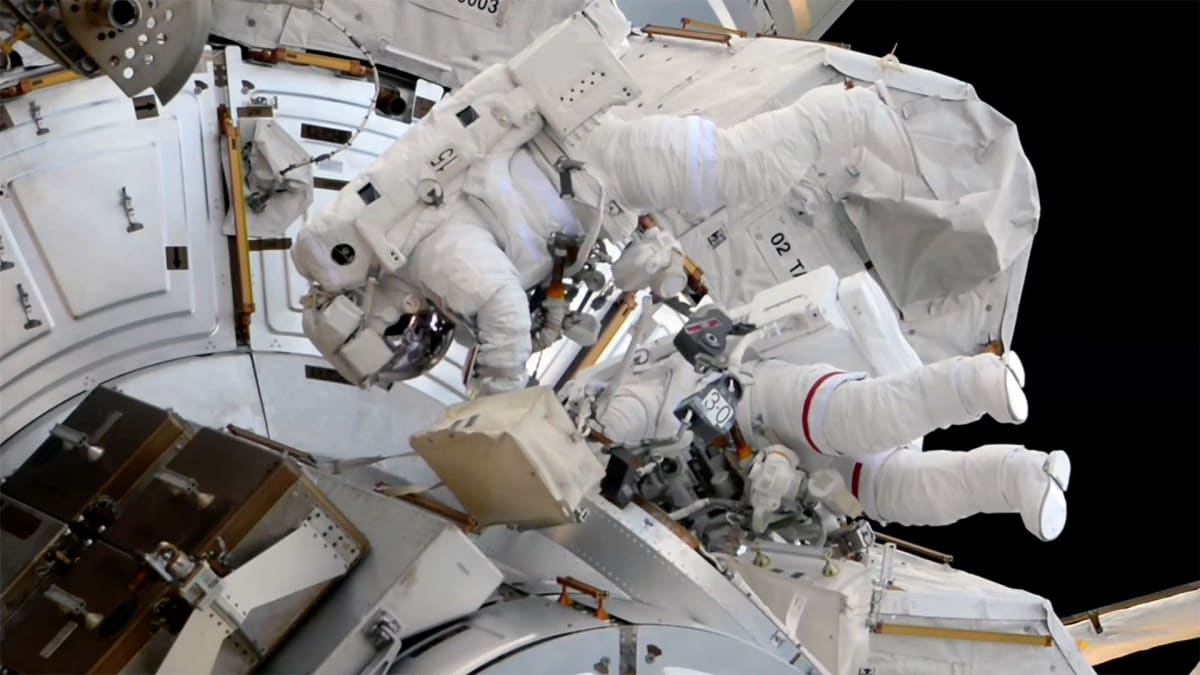
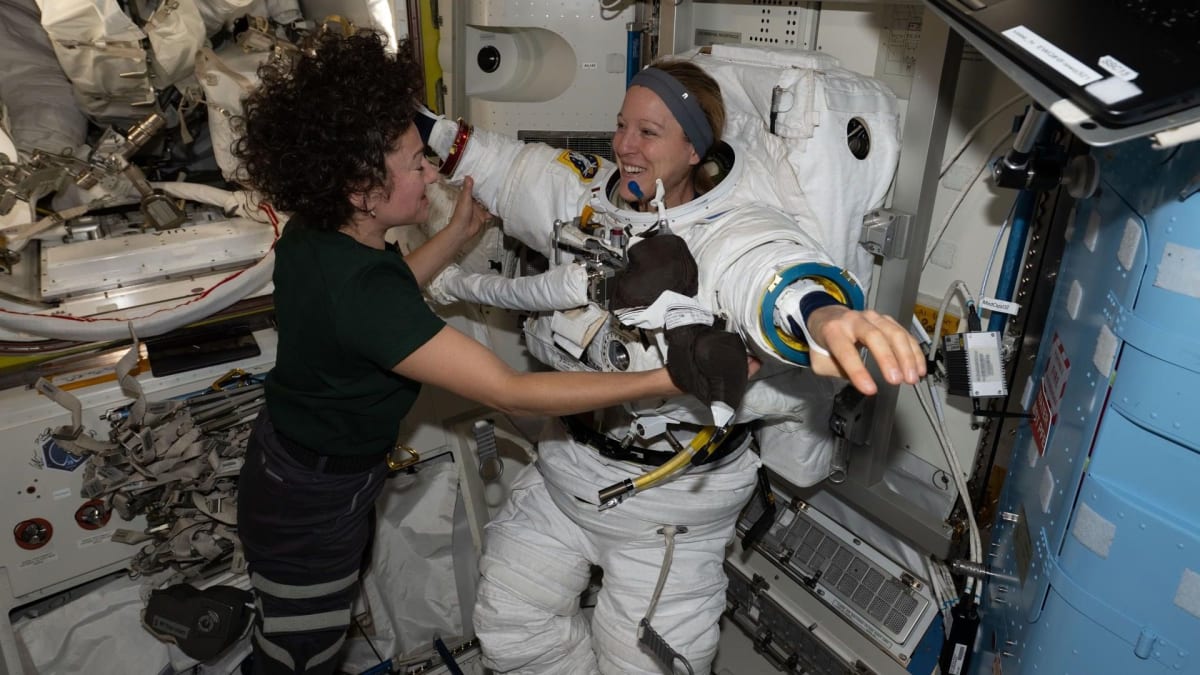
After 340 days in orbit, astronaut Scott Kelly found Earth's sensory experiences overwhelming—rain smelled too strong, furniture burned his skin, and driving felt like piloting a rover. Every astronaut who spends months in space returns to a planet their nervous system must relearn. #
Scott Kelly landed in Kazakhstan after 340 days aboard the International Space Station, and within a week, something strange happened. The smell of rain felt overwhelming, ordinary furniture burned his skin, and driving his car felt like operating a machine through a screen.
He's not alone. Every astronaut who spends months in orbit comes back describing the same thing: Earth feels foreign, and their bodies need time to remember home.
The problem starts with the nose. The ISS smells like ozone, machine oil, and burnt metal, but it doesn't have rain, grass, ocean salt, or the thousands of natural scents humans encounter daily. After six months breathing recycled air, the olfactory system resets its baseline.
When astronauts step into a field or backyard after landing, the flood of natural smells hits a system that's been whispering for half a year. Chris Hadfield said biting into an apple after his mission felt almost too intense—sweet, acidic, and floral all at once.
The driving experience is even stranger. In microgravity, the inner ear stops receiving gravity's signal, so the brain rewires itself to rely on vision and pressure from the feet. When astronauts return, that rewired system doesn't snap back instantly.
Motor commands overshoot. A coffee cup lifts too fast and spills. The steering wheel feels disconnected, like flying a drone through a screen instead of directly controlling a car.
Skin becomes surprisingly sensitive too. Six months without gravity means nothing presses against the body except light fabric. Astronauts report that T-shirt seams, collar tags, and sock elastic become intolerable in the first weeks back.
The soles of their feet tell the most dramatic story. In orbit, calluses fall off and new skin grows soft and pink. NASA flight surgeons describe crew members wincing on carpet and wearing slippers indoors for weeks, walking heel-to-toe like children learning to walk.
Brain scans reveal why recovery takes time. The pituitary gland deforms, cerebrospinal fluid pools around the optic nerve, and gray matter shifts in ways MRI scans detect months after landing. Some changes reverse quickly, but researchers have found that some don't fully reverse in the timeframes they've measured.
Why This Inspires
This disorientation reminds us that Earth is extraordinary. The smell of rain, the feeling of grass, the weight of our own bodies—these aren't ordinary experiences. They're the result of billions of years of evolution fine-tuning our senses to this specific planet.
Astronauts spend months adapting to space, then months readapting to home. Their patience with this process shows us something hopeful: the human body is remarkably flexible, and given time, it remembers where it belongs.
Kelly and others like him eventually found their footing again—the rain smelled normal, driving felt natural, and Earth stopped feeling foreign.
#
More Images


Based on reporting by Google News - Science
This story was written by BrightWire based on verified news reports.
Spread the positivity!
Share this good news with someone who needs it