Astronomer Discovers Mars' Moon Phobos in 1877
On August 17, 1877, American astronomer Asaph Hall spotted Mars' largest moon through the world's biggest telescope. His discovery opened the door to understanding our planetary neighbor in ways that changed space exploration forever.
On August 17, 1877, American astronomer Asaph Hall peered through a massive telescope and spotted something no human had ever seen: Mars' largest moon, Phobos.
Hall was working at the U.S. Naval Observatory in Washington, D.C., using a 26-inch refractor telescope that was the largest in the world at the time. Just six days earlier, he had discovered Mars' smaller moon, Deimos, which he initially mistook for a faint star near the Red Planet.
When Hall took a closer look, he realized his "star" was actually a moon. Then he discovered Phobos, an even larger companion orbiting Mars.
He announced both discoveries the next day, August 18, 1877. The scientific community was stunned that Mars had not one but two moons circling it.
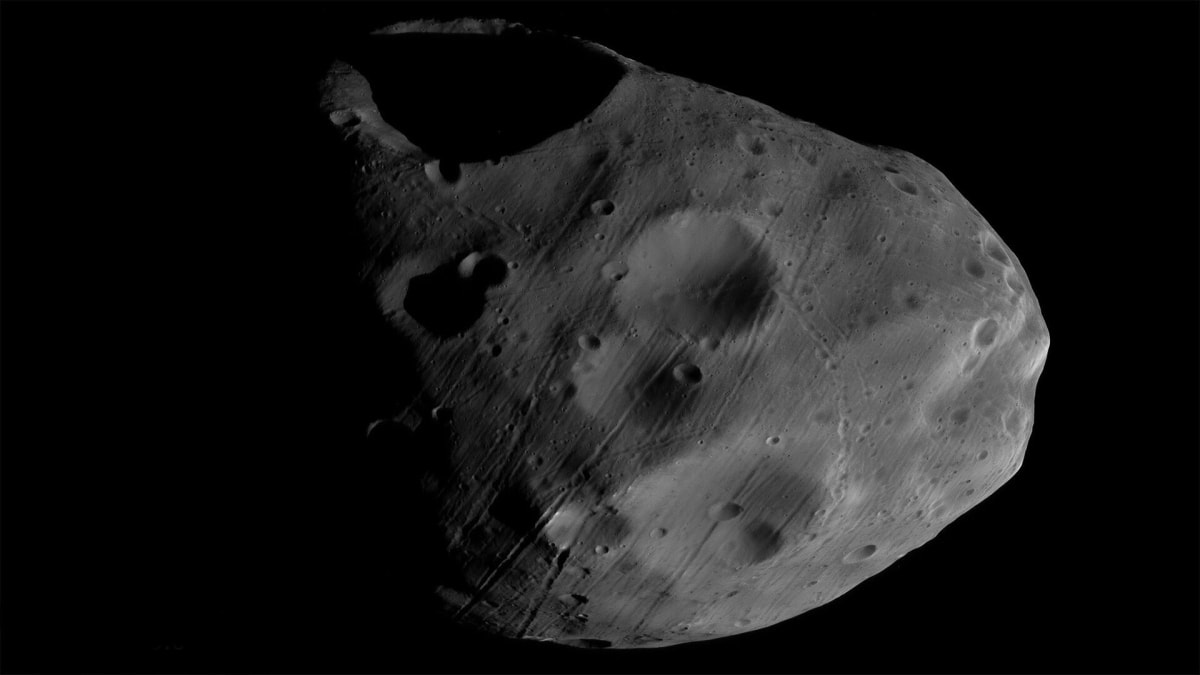
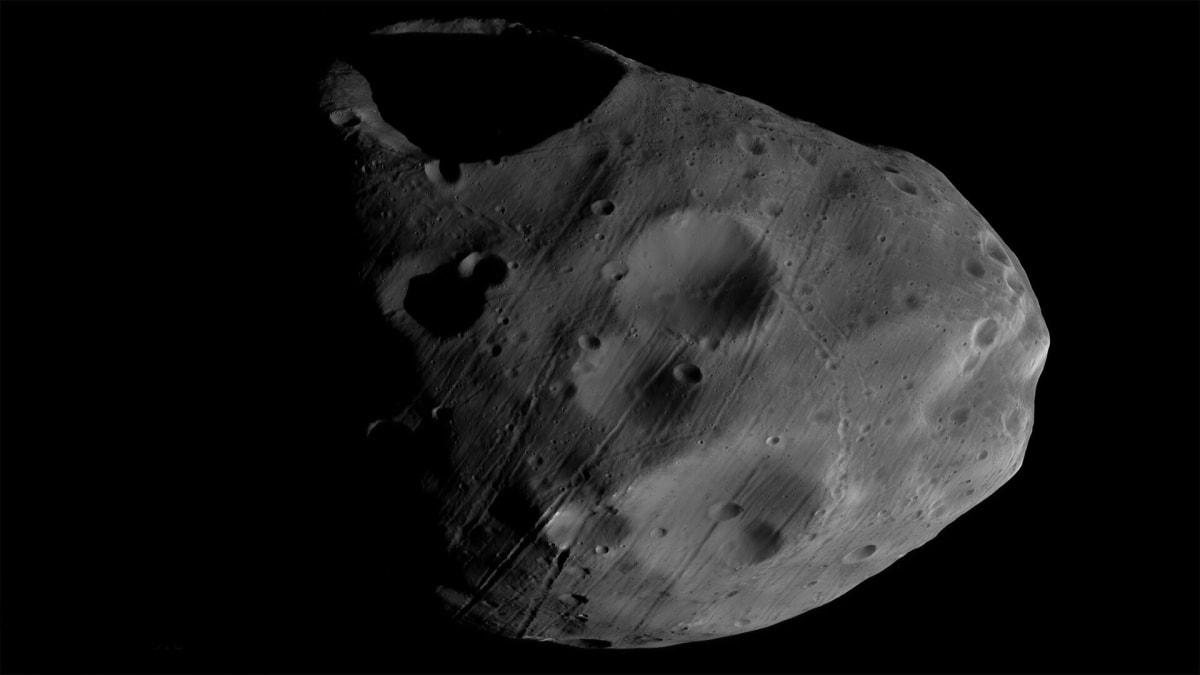
Phobos is quite small compared to Earth's moon, measuring just 10 by 14 by 11 miles across. But what makes it fascinating is how close it hugs Mars, orbiting only 3,700 miles above the planet's surface and completing three full trips around Mars every Martian day.
Why This Inspires
Hall's discovery came from patience, precision, and the courage to keep looking when others might have stopped. He used the best tools available to him and pushed the boundaries of what humanity knew about our solar system.
Today, we have rovers crawling across Mars' surface, satellites orbiting the planet, and detailed photos of Phobos itself taken from spacecraft. We've sampled Martian rocks, studied its atmosphere, and mapped its terrain with incredible accuracy.
But none of this modern exploration would feel as meaningful without understanding where it all began. Hall's 19th-century discovery reminds us that every giant leap in space exploration started with someone willing to look up and wonder what else might be out there.
As we plan future missions to Mars and beyond, we stand on the shoulders of astronomers like Hall who dared to explore the unknown with nothing but curiosity and a telescope.
More Images

Based on reporting by Space.com
This story was written by BrightWire based on verified news reports.
Spread the positivity!
Share this good news with someone who needs it
%2Fhttps%3A%2F%2Ftf-cmsv2-smithsonianmag-media.s3.amazonaws.com%2Ffiler_public%2F7c%2Fa4%2F7ca45b97-a5b6-4cdb-9391-d20dd31bd01d%2Fmit-blackholestar-01-press_0.jpg)