Astronomers Find Second-Ever Baby Solar System Forming
Scientists have discovered only the second infant solar system ever confirmed, giving us a rare window into how planets are born. The finding could help solve the mystery of how our own solar system came to be.
Imagine watching a solar system take its first breath, planets condensing from swirling clouds of dust and gas around a newborn star. That's exactly what astronomers just witnessed 437 light-years from Earth.
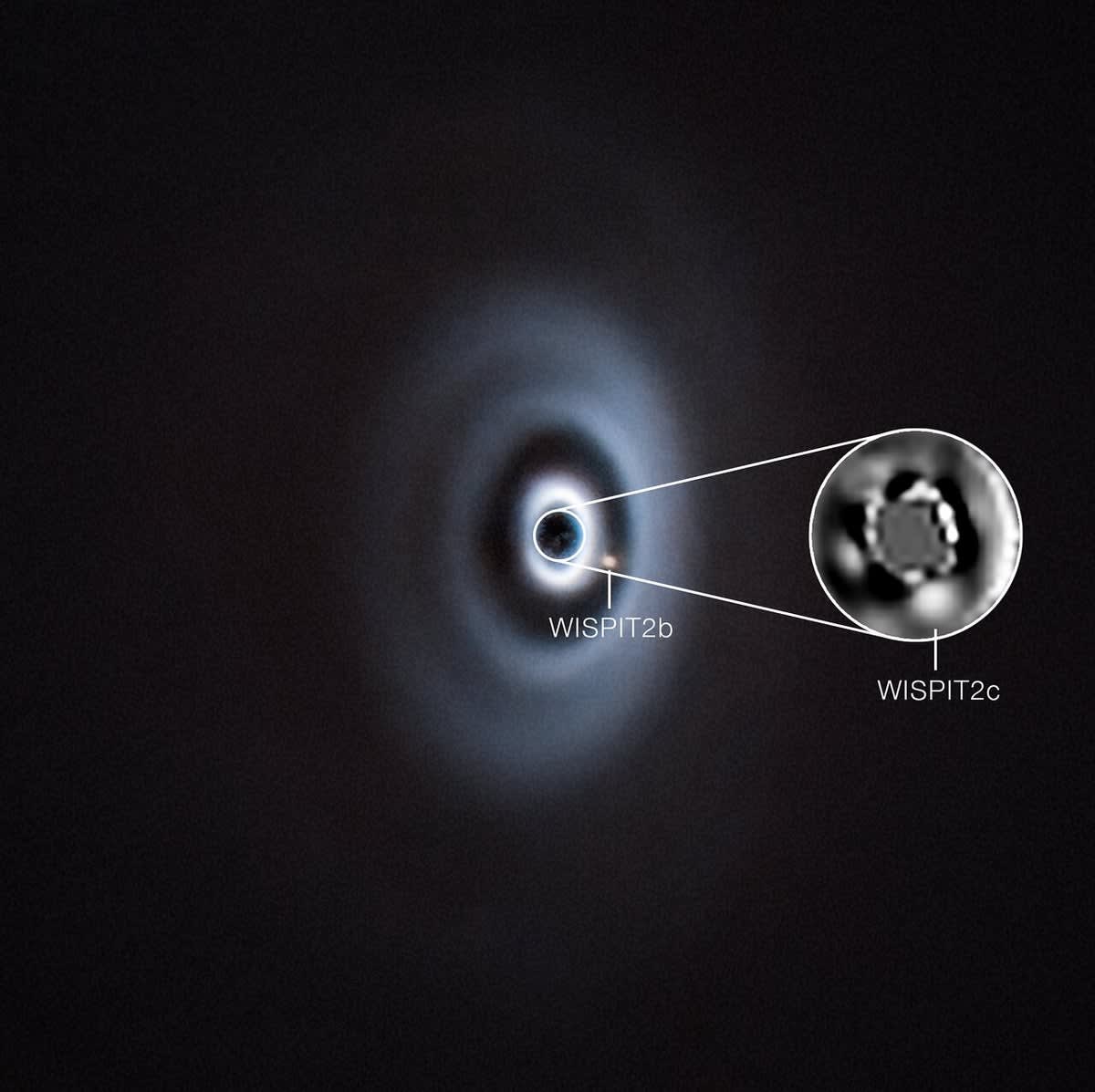
A team of researchers has confirmed the discovery of WISPIT 2, a baby solar system forming in real time. It's only the second such system ever found, following PDS 70's discovery in 2018.
The breakthrough matters because astronomers usually find planets billions of years old, similar in age to our own solar system. Catching planets in the act of forming is incredibly rare and offers crucial clues about how Earth and its neighbors came to exist.
"In astronomy, we often joke that when we have a sample size of one, we have an anomaly, but when we have a sample size of two, we have a population," says Northwestern University astronomer Jason Wang.
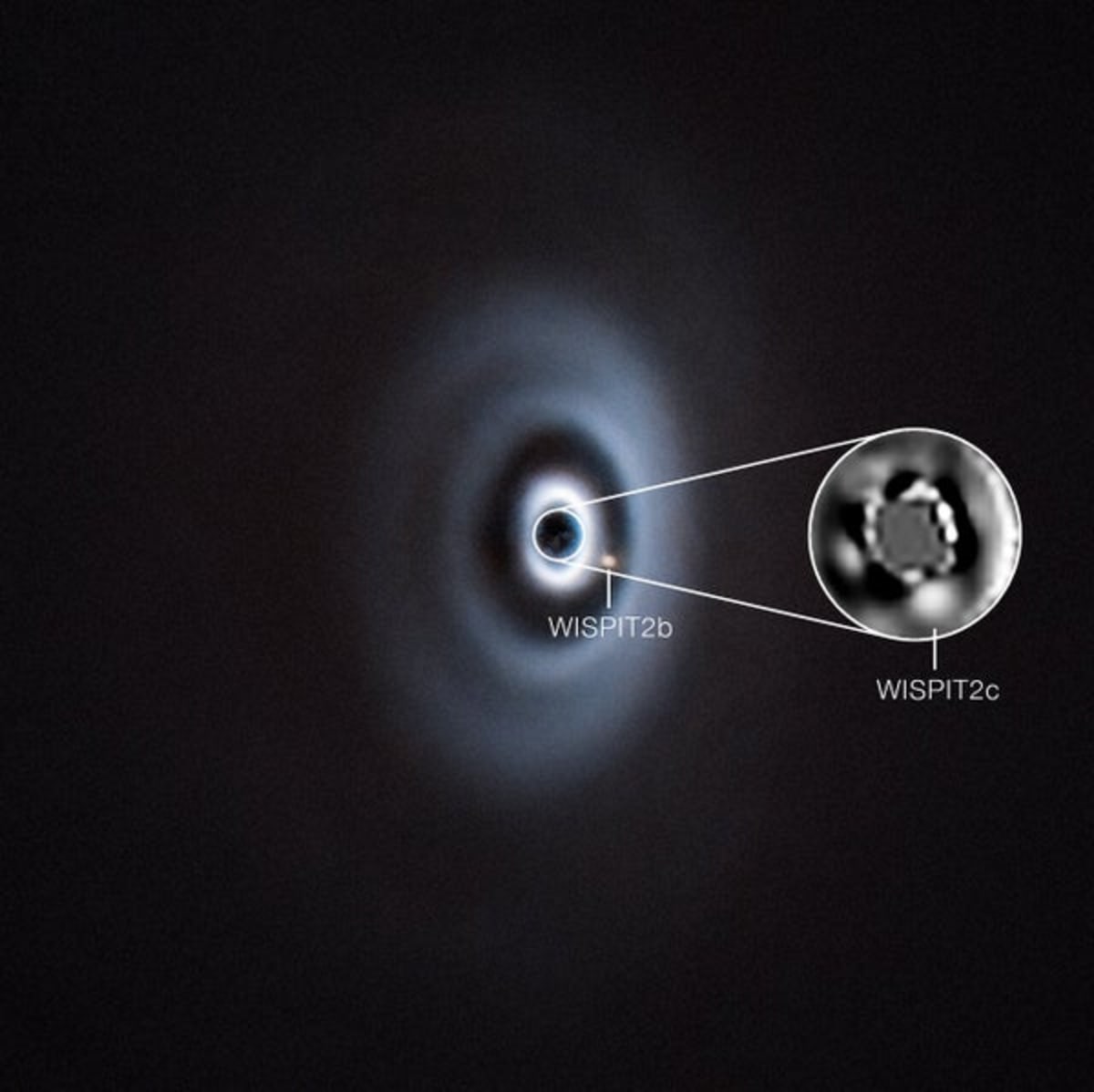
The team identified two gas giant planets circling WISPIT 2, with the second roughly 10 times the size of Jupiter. They used the Very Large Telescope in Chile's Atacama Desert to capture images of the planets emerging from the star's protoplanetary disk.
What makes this discovery even more exciting is what astronomers haven't found yet. The researchers spotted a third break in the disk's material, suggesting another planet about Saturn's size might be forming further out.
Why This Inspires
Lead author Chloe Lawlor, a PhD student at the University of Galway in Ireland, made this groundbreaking discovery early in her career. She hopes her achievement shows young scientists they're capable of remarkable things, even while still learning.
"Often there is a lot of self-doubt for people at my career stage," Lawlor says. "I hope this discovery helps others to realize that while they might not know it all yet, they still know enough to do big things."
The team plans to use the upcoming Extremely Large Telescope to search for that potential third planet. Each new planetary nursery they study brings scientists closer to understanding the greatest cosmic mystery: how spinning disks of stardust became the worlds we call home.
By watching these infant systems grow, astronomers are essentially looking back in time at our own solar system's birth story.
More Images



Based on reporting by Scientific American
This story was written by BrightWire based on verified news reports.
Spread the positivity!
Share this good news with someone who needs it