Astronomers to Livestream Rare Blue Micromoon Free Online
Missing the rare Blue Micromoon on May 31, 2026? Italian astronomers are offering a front-row seat through a free livestream that brings this celestial wonder to anyone with an internet connection.
📺 Watch the full story above
Anyone with cloudy skies or no view of the horizon can still witness a rare cosmic event thanks to astronomers opening their telescopes to the world.
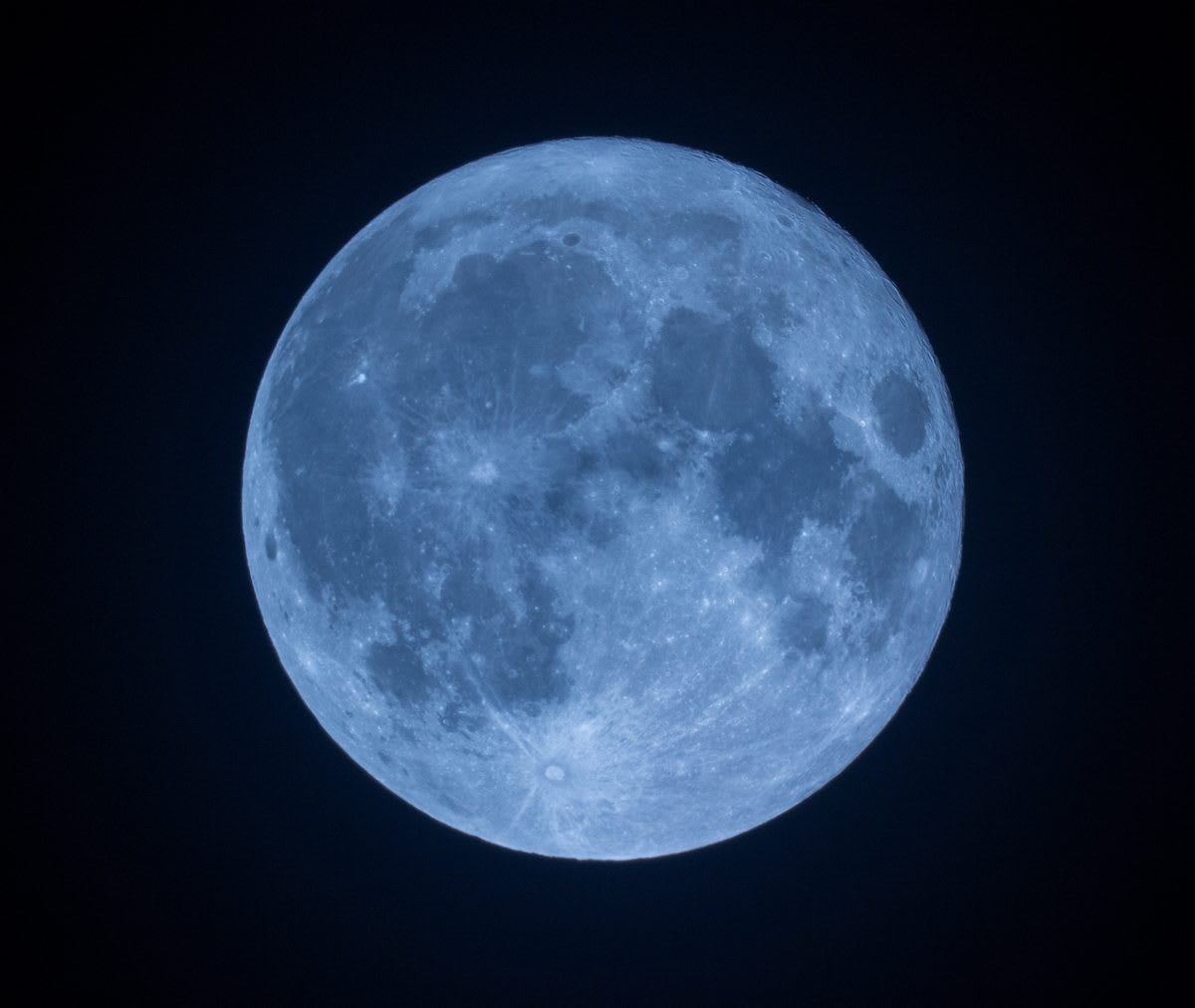
On May 31, 2026, the second full moon of the month will rise over Earth. This makes it a "Blue Moon," a rare occurrence that happens only once every few years. Even more special, this particular moon will also be a "micromoon," reaching its fullest point just before it sits at its farthest distance from Earth in its orbit.
The Virtual Telescope Project team in Manciano, Italy, is making sure no one misses out. They're broadcasting the moonrise live and free for anyone to watch from anywhere in the world.
The livestream begins at 01:30 UTC on May 31. The astronomers will capture the moon rising through their professional telescopes, giving viewers crisp, detailed images of the lunar surface. They're also including archival footage of the moon shining above Rome's famous monuments, adding a touch of earthly beauty to the celestial show.
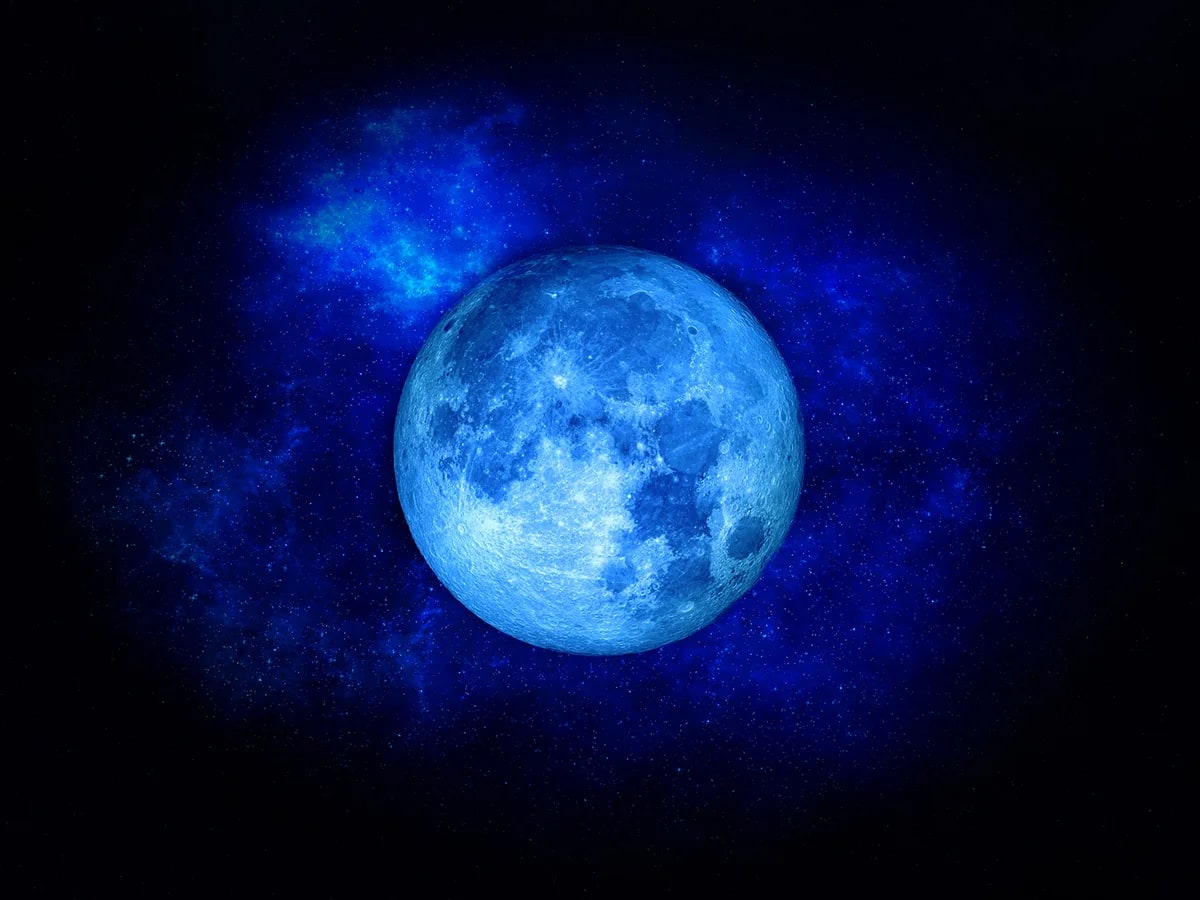
Despite its name, a Blue Moon won't actually appear blue in the sky. The term simply refers to the timing of two full moons occurring within a single calendar month. The "micromoon" label means the moon will look slightly smaller than usual because of its distance from Earth, though most viewers won't notice the difference with the naked eye.
Why This Inspires
This livestream represents something beautiful about modern astronomy. Professional scientists are using cutting-edge equipment not to hoard discoveries, but to share them freely with curious minds everywhere. No ticket required. No special equipment needed. Just wonder.
The Virtual Telescope Project has made this kind of cosmic democracy their mission, regularly broadcasting meteor showers, eclipses, and rare planetary alignments to viewers who might never get to peek through a research telescope otherwise. They're turning moments that were once exclusive into experiences anyone can enjoy from their couch, their classroom, or their commute.
This Blue Micromoon might look slightly smaller than other full moons, but the gesture behind sharing it feels anything but small.
More Images
Based on reporting by Google News - Science
This story was written by BrightWire based on verified news reports.
Spread the positivity!
Share this good news with someone who needs it