ASU Gets $2.3M to Speed Up Tuberculosis Treatment
Arizona State University researchers just secured $2.3 million to develop technology that could help doctors find the right TB medication in days instead of weeks. The breakthrough could save thousands of lives among the 1.5 million people who die from tuberculosis each year.
A disease that killed millions throughout human history just got a powerful new enemy in the fight for better treatment.
Researchers at Arizona State University received a $2.3 million grant to develop technology that helps doctors quickly identify which medications work best for individual tuberculosis patients. Right now, finding the right drug can take weeks. This new approach could cut that time dramatically.
The stakes are higher than most people realize. Tuberculosis causes over 10 million illnesses and 1.5 million deaths worldwide every year. Just this year, a Kansas City outbreak infected 68 people and killed two, requiring health officials to monitor over 650 others.
"Despite being preventable and curable, TB can spread like wildfire," says Shelley Haydel, an infectious disease researcher leading the project. "TB anywhere is a threat to people everywhere."
The problem is that tuberculosis has gotten tougher to treat. New strains evolved to resist the medications scientists developed in the mid-1900s. Nearly 20% of patients with drug-resistant TB die within a year of starting treatment.
Doctors currently face a difficult choice when testing which drugs work against a patient's specific TB strain. They can use a fast molecular test that only checks for resistance to older drugs. Or they can use a broader test that takes much longer and delays life-saving treatment.
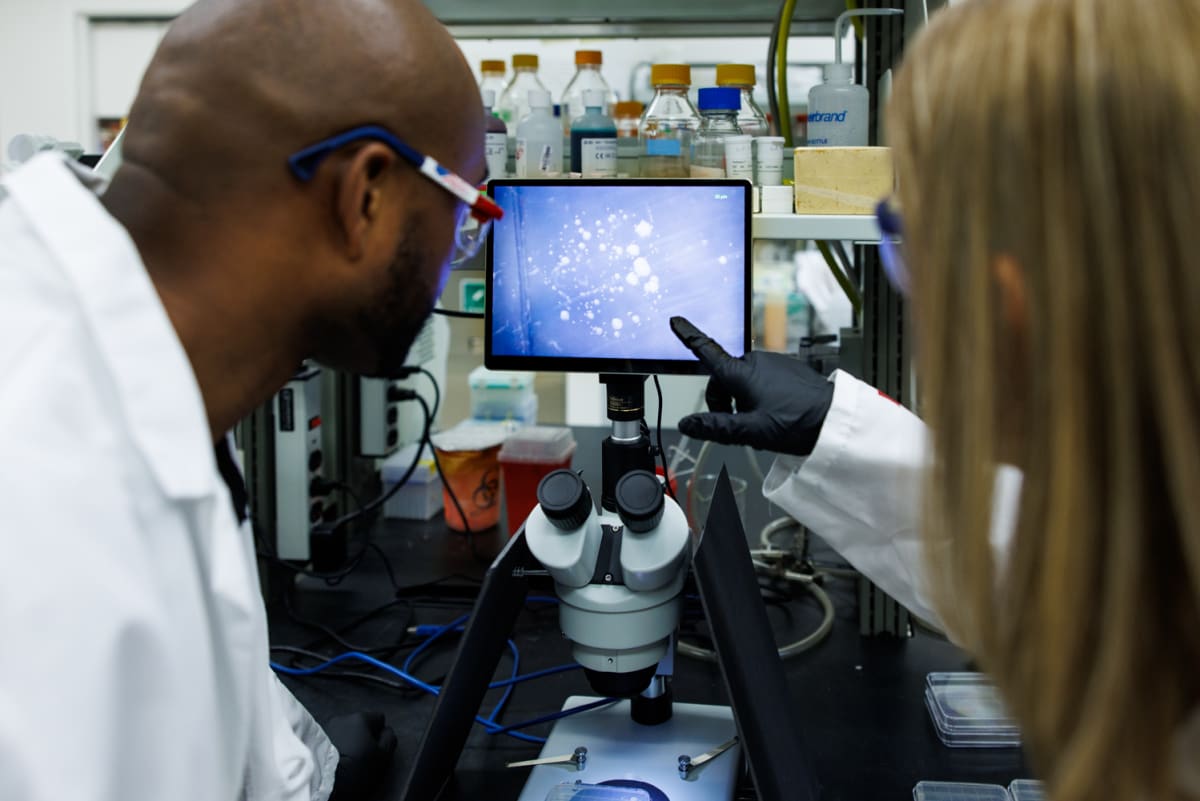
Haydel and fellow ASU scientist Shaopeng Wang are creating a third option. Their technology combines advanced optical imaging with artificial intelligence to analyze bacterial growth much faster than traditional methods.
Why This Inspires
This innovation matters because time means everything when fighting infectious disease. Getting the right medication to patients faster means more lives saved and fewer opportunities for TB to spread to family members and communities.
The technology will work especially well for new and experimental TB drugs that don't yet have quick testing options. That means doctors can confidently prescribe cutting-edge treatments knowing they'll actually work for their patients.
Both researchers work at ASU's Biodesign Center for Bioelectronics and Biosensors, where they're turning scientific advances into practical medical tools. The National Institute of Allergy and Infectious Diseases funding recognizes the urgent need for better TB testing worldwide.
Faster, smarter TB treatment is coming, and it could help turn the tide against one of humanity's oldest enemies.
Based on reporting by Google News - New Treatment
This story was written by BrightWire based on verified news reports.
Spread the positivity!
Share this good news with someone who needs it