ASU Police Test Electric Patrol Trucks to Cut Costs
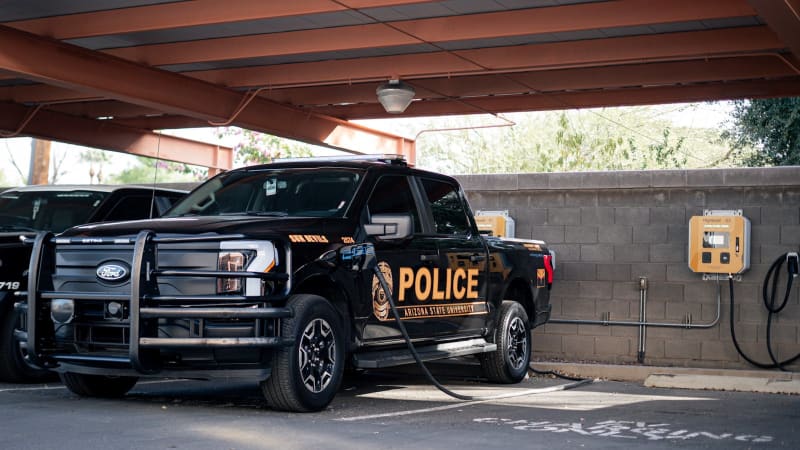
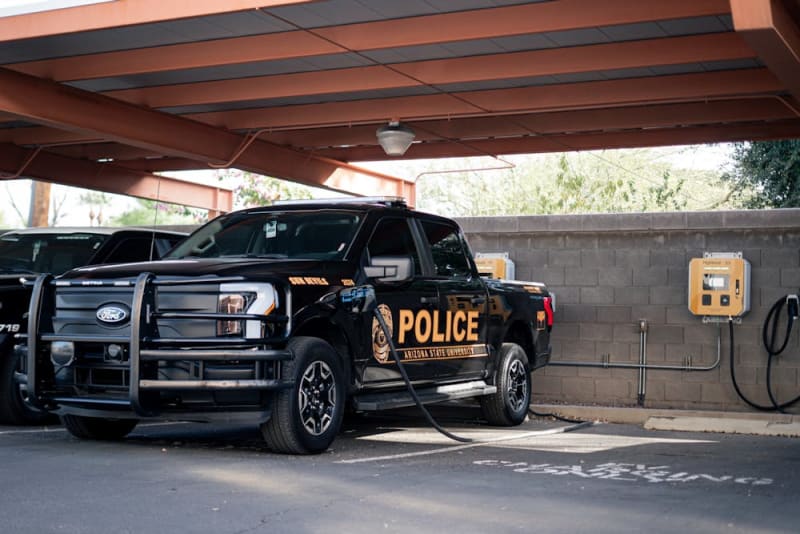
Arizona State University's police department is launching a groundbreaking six-month pilot program with three electric trucks on 24/7 patrol duty. They're aiming to prove these vehicles can save money while keeping communities safe.
Campus officers are about to drive into the future, and it could save taxpayers serious money while cleaning up the air.
The ASU Police Department just launched a six-month pilot program putting three electric trucks into full-time patrol service. Detective Jason Anderson says the main goal is cost efficiency since electric vehicles skip the expensive maintenance that gas-powered cars need.
This isn't ASU PD's first electric rodeo. The department tested electric motorcycles back in 2020, and those results were promising enough to take the leap to full-size patrol vehicles. Now they're believed to be the first police department in Arizona to use EVs for active patrol duty, not just administrative tasks.
The real test comes down to dollars and cents. The department is tracking everything from the upfront purchase price to cost per mile for electricity versus gasoline, plus how much energy the vehicles use while idling. Information officer Amanda O'Halloran says the goal is proving electric patrol vehicles can deliver measurable savings without compromising public safety response.
The Ripple Effect
While saving money drives this program, the environmental wins matter too. These patrol vehicles run 24/7, continuously producing emissions when gas-powered. The electric replacements eliminate all those tailpipe emissions during constant use.
Professor Bhavik Bakshi from ASU's School of Engineering points out the timing couldn't be better. Much of ASU's electricity comes from solar energy, making the case for electrification even stronger from a greenhouse gas perspective.
Junior Esabella Brown, a member of ASU's Environmental Advocacy club, sees an even bigger picture. She believes ASU's massive influence means this small step could inspire other organizations to think more sustainably. Exposing students to patrol EVs might spark broader conversations about resource sourcing and corporate accountability.
The pilot does face challenges. Battery materials require proper recycling to avoid creating more environmental harm than gas vehicles. Bakshi warns that without circular practices, these critical minerals could end up doing more damage in landfills.
Six months from now, ASU will know whether this electric gamble pays off for both budgets and the planet.
More Images

Based on reporting by Google News - Electric Vehicle
This story was written by BrightWire based on verified news reports.
Spread the positivity!
Share this good news with someone who needs it