Athens Turns Old Airport Into Europe's Second-Largest Park
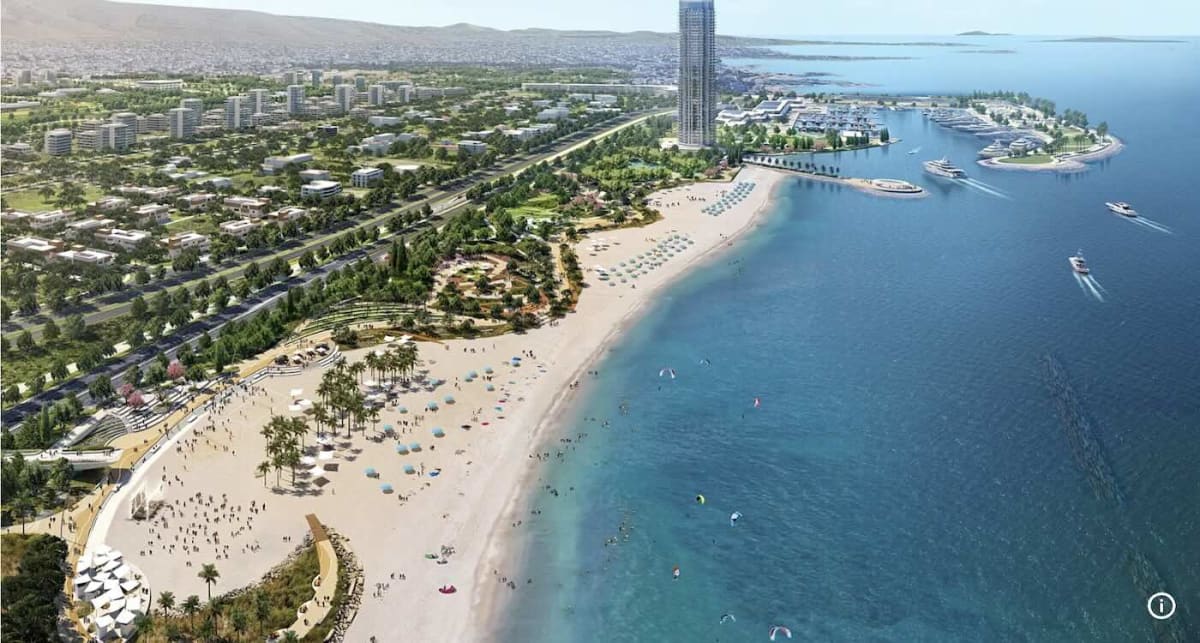
Greece is transforming a former Athens airport into a 400-acre coastal park designed to combat extreme heat. Opening in 2025, Ellinikon Park will feature 30,000 trees and stay 7°F cooler than surrounding areas.
Athens, Europe's hottest capital city, is building a massive green oasis where planes once landed.
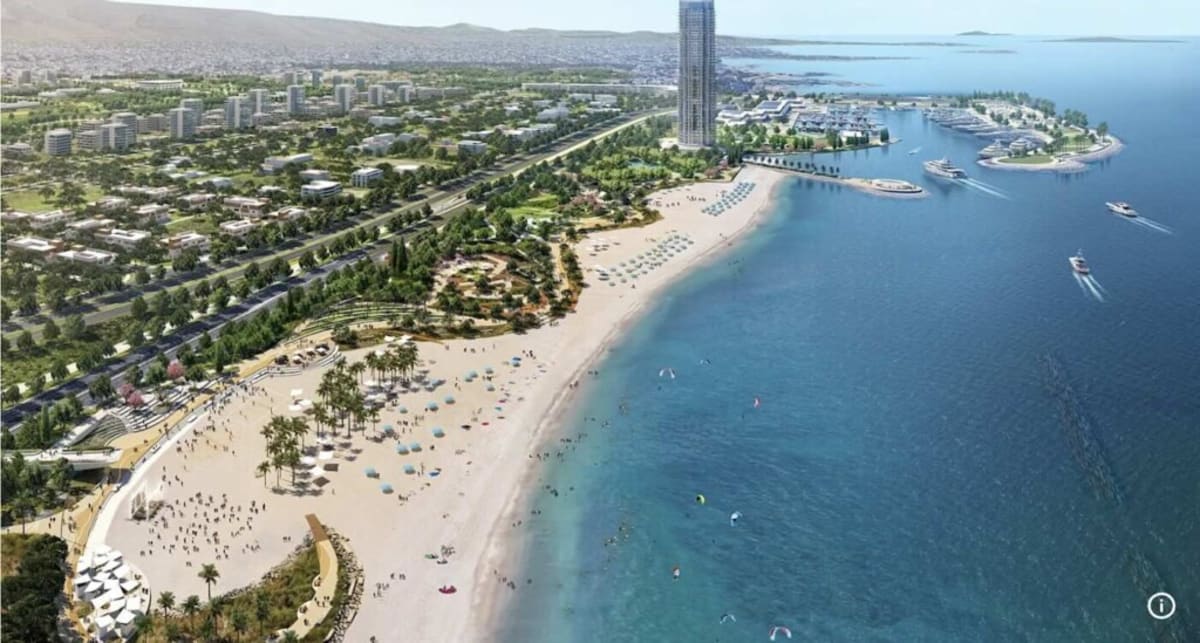
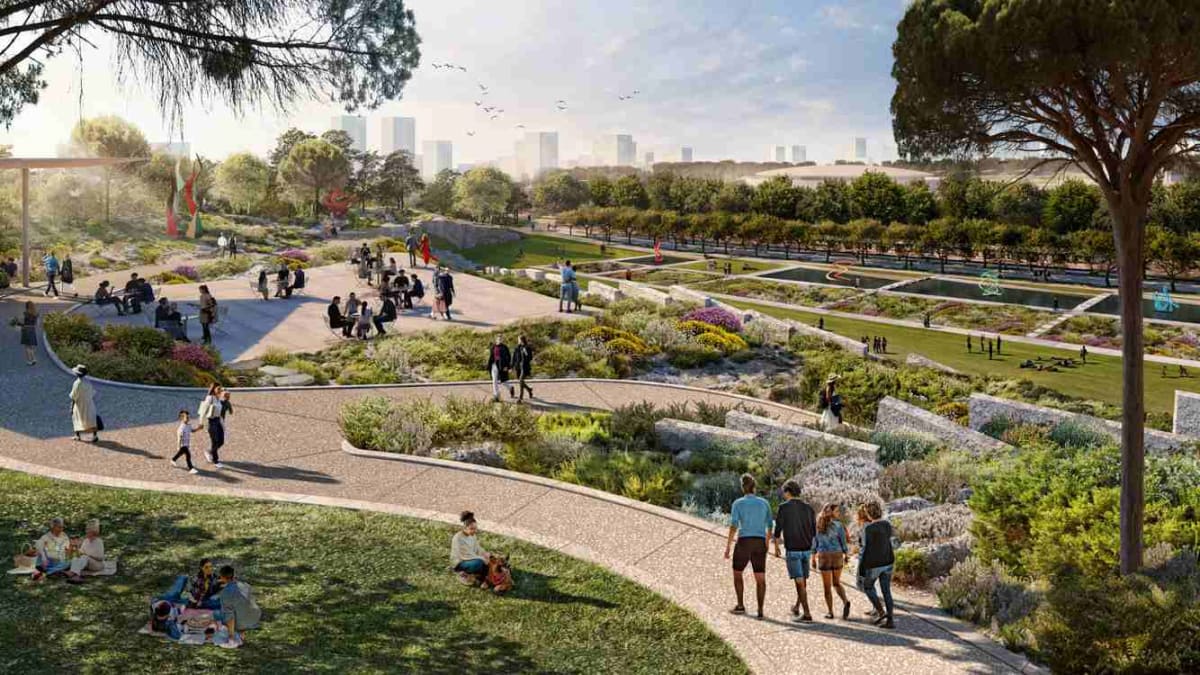
The Ellinikon Park will transform a defunct airport site into 400 acres of coastal parkland in southern Athens. When it opens next year, it will become Europe's second-largest city park.
But this isn't just about adding green space. Athens once held the European heat record at 118.4°F and became the first European city to appoint a chief heat officer.
For the 3.7 million people living in Athens (twice the population of Greece's next nine cities combined), relief is coming in the form of carefully engineered nature. Every path, plant, and water feature has been positioned using advanced simulations to maximize cooling.
The park's designers used computational fluid dynamics, air circulation models, and evaporation speed data to create microclimates throughout the space. Their goal? Keep the park 7.2°F cooler than the concrete and asphalt baking the rest of the city.
Planners will plant 30,000 trees and 3 million smaller plants representing over 520 species. Three-quarters will be native or well-adapted Mediterranean plants that can survive scorching summers and low rainfall.
Rest areas will provide over 60% shade coverage. Running water channels, misting systems, and low-consumption basins will add moisture to the air when temperatures soar.
Smart irrigation systems will use onsite water treatment facilities to supply non-potable water for plants. A giant rainwater catchment system will feed the fountains and misters, ensuring the park stays lush without straining city water supplies.
The Ripple Effect
This project marks a turning point for Athens. In 2024, the city planted its first micro-forest and added 5,000 trees across six neighborhoods and the famous Acropolis.
Designers repurposed hundreds of tons of concrete from the demolished airport infrastructure. Greek marble, slate, and sandstone will blend constructed features seamlessly with natural elements.
Future renovations are scheduled for 2030, but residents will get their first chance to experience this engineered sanctuary next year.
Athens is proving that even Europe's hottest city can find ways to cool down and breathe easier.
More Images
Based on reporting by Good News Network
This story was written by BrightWire based on verified news reports.
Spread the positivity!
Share this good news with someone who needs it