Atlanta School's 30-Second Question Cuts Discipline 50%
Teachers at an Atlanta middle school started asking one silly question every morning before class. Now behavior problems have dropped in half, and other schools are taking notice.
A simple 30-second question about pizza toppings is transforming how kids behave in one Atlanta school. The results are so impressive that educators nationwide are paying attention.
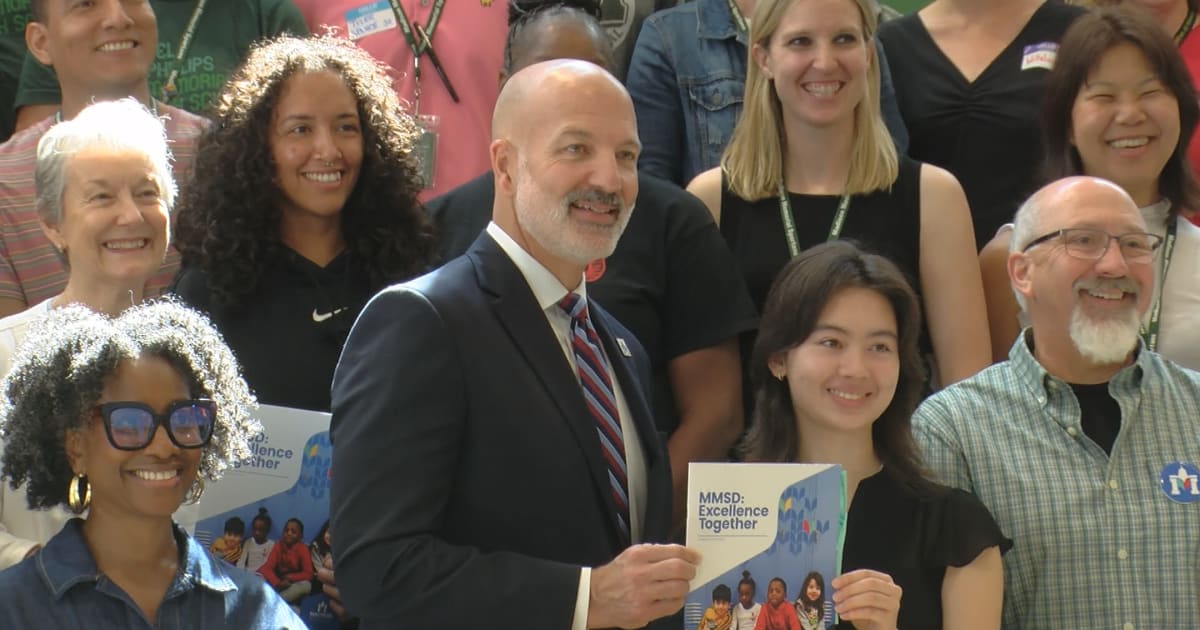
Martin Luther King Jr. Middle School decided two years ago to completely rethink how they handle classroom behavior. Instead of jumping straight into lessons, teachers now spend half a minute asking students lighthearted questions like what makes them happy or their favorite snack.
"Every class, every day, our teachers start with connection before content," Principal Kimberly Sewell told CBS News Atlanta. The shift sounds small, but the impact has been huge.
Since the school adopted this approach, discipline referrals have dropped by 50 percent. Fewer kids are getting sent to the principal's office or facing punishment for acting out.
Attendance has improved too. Students are showing up more often and fighting less, choosing positive conflict resolution instead of throwing punches.
The philosophy behind this change is called restorative practices, and it's spreading across American schools. Instead of suspending or isolating students who misbehave, schools now offer counseling, mediation, and calm-down spaces for kids struggling with their emotions.
When a student disrupts class or hurts someone, they don't just disappear. They're expected to make it right through reparative action.
Research backs up why this works. A landmark study from the University of Chicago Education Lab found that schools using restorative practices saw dramatic reductions in student arrests, both at school and in their communities.
Some schools have replaced detention with meditation and mindfulness sessions. The results have been brilliant.
The Ripple Effect
The old zero-tolerance model removed problem students from classrooms through suspension and expulsion. But decades of research now show that harsh discipline actually makes behavior worse and robs kids of learning time, often over minor issues like being late or talking back.
Students who act out the most often come from the toughest home situations. What they need isn't punishment that pushes them further away from education. They need kindness, empathy, and adults who believe in their potential.
Even asking about their favorite pizza topping can be the start of something transformative. When kids feel seen and valued, they show up differently in every part of their lives.
More Images



Based on reporting by Upworthy
This story was written by BrightWire based on verified news reports.
Spread the positivity!
Share this good news with someone who needs it