Aussie Community Detects 3 New Reptile Diseases Early
Observant Australians spotted sick snakes and lizards in time for scientists to identify three emerging fungal threats before they spread. Their quick action is giving researchers a fighting chance to protect the country's extraordinary reptile diversity.
When everyday Australians noticed something wrong with wild reptiles in their neighborhoods, they did something that might just save entire species.
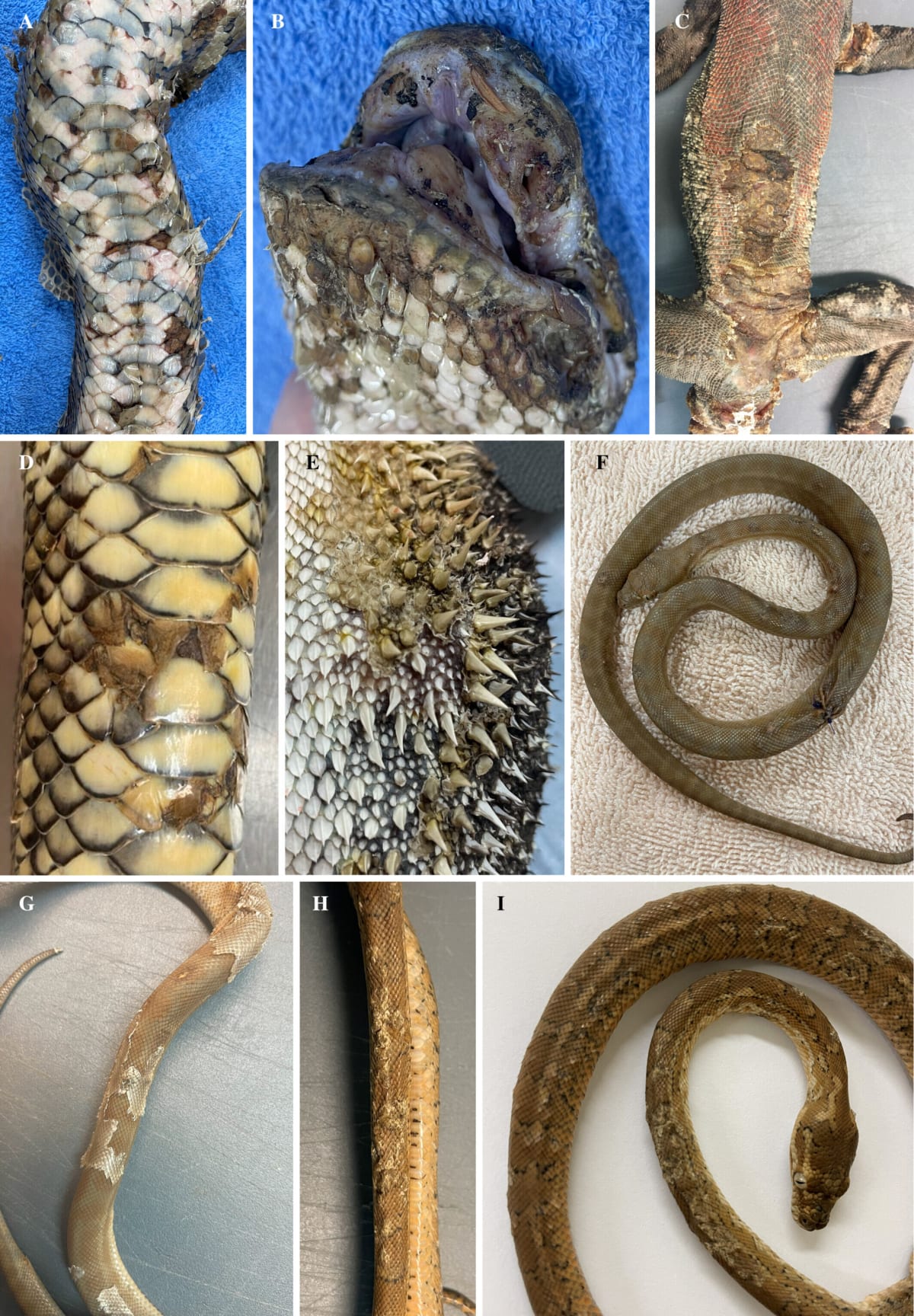
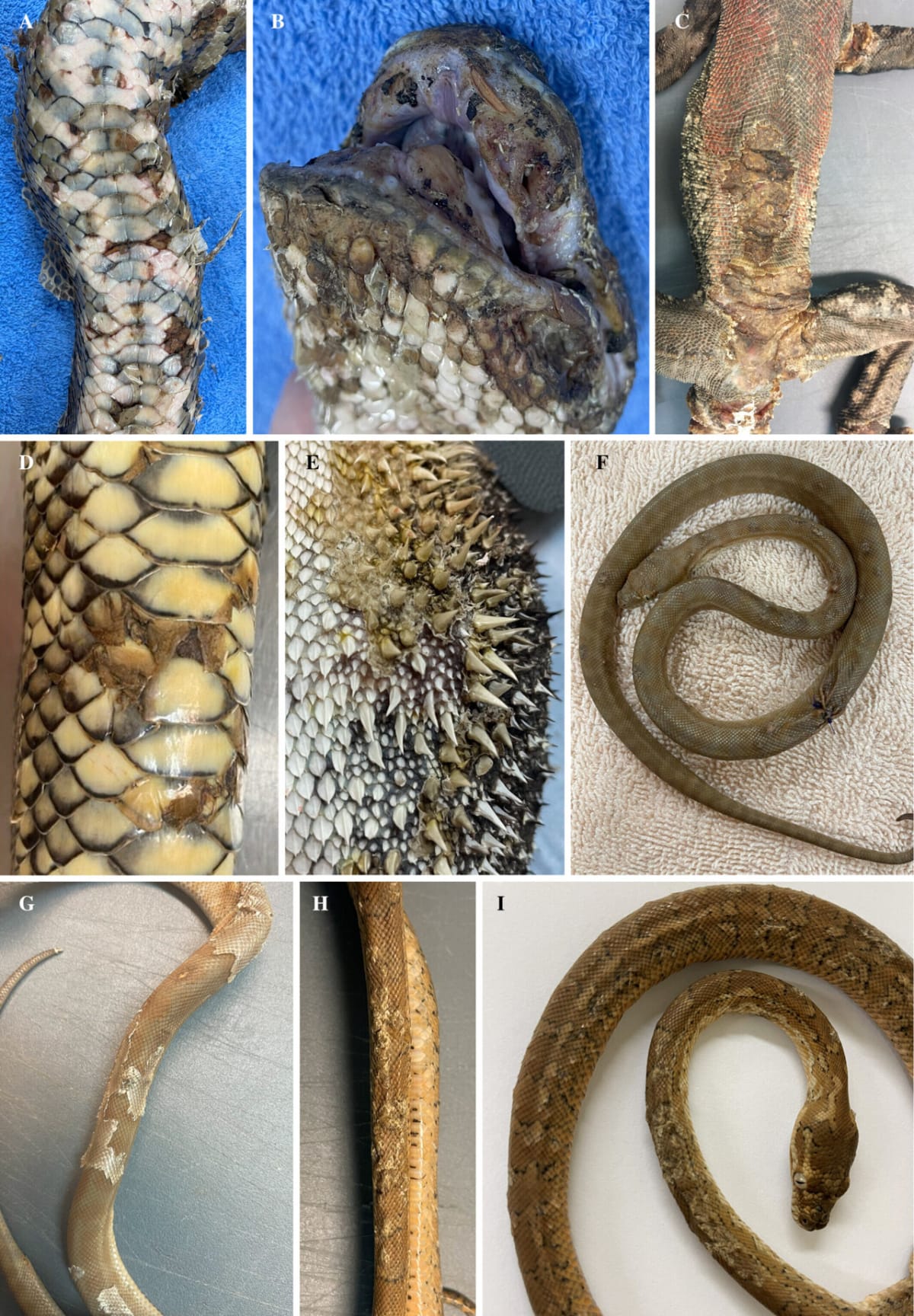
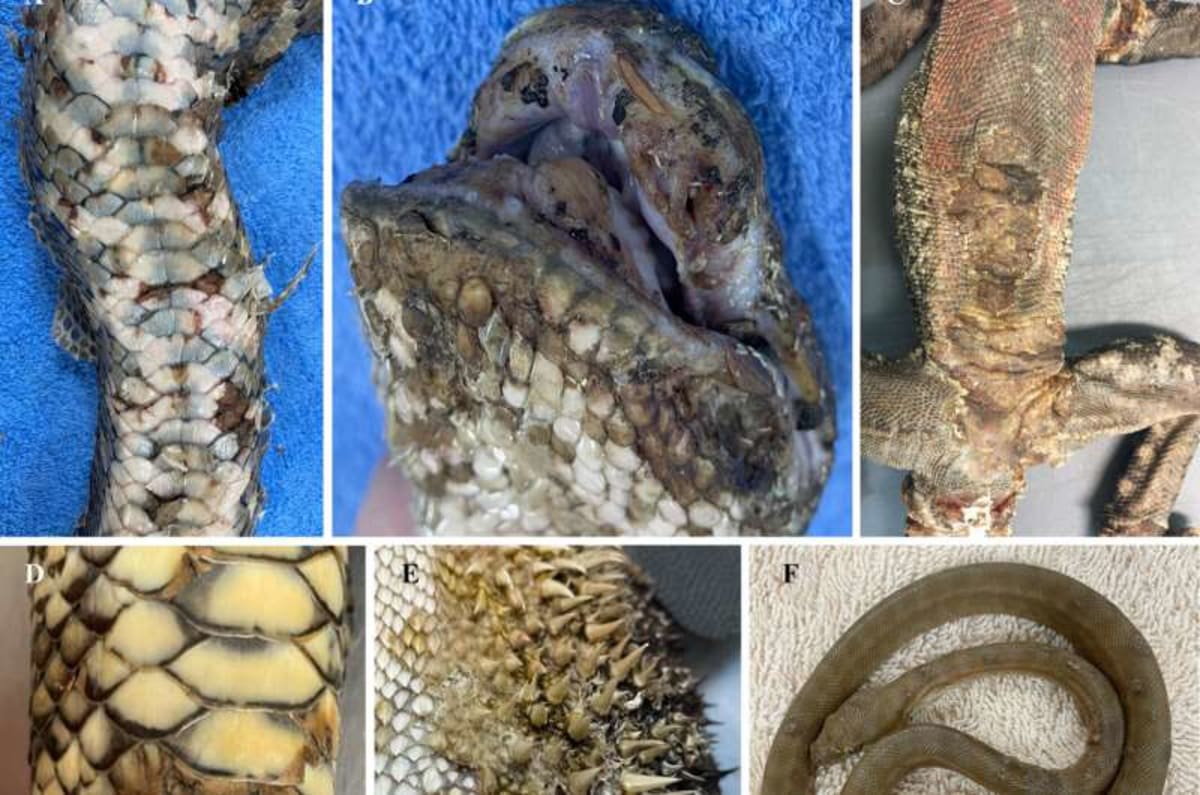
Between April 2023 and September 2024, concerned community members across South East Queensland brought sick snakes and lizards to wildlife hospitals. Their observations led researchers to identify three fungal diseases new to Australian reptiles, including snake fungal disease, which has caused population declines overseas.
The discoveries came from ten reptiles, including coastal carpet pythons, eastern water dragons, and bearded dragons. A coastal carpet python brought in last August had mysterious crusted lesions that puzzled veterinarians until tests revealed the first confirmed case of snake fungal disease in wild Australian snakes.
Australia is home to more reptile species than any other country. These creatures quietly keep pest populations under control and maintain healthy ecosystems, but they face growing threats from climate change and habitat loss.
The Ripple Effect
The real victory here isn't just scientific discovery. It's what happens when communities care enough to notice and act.
Citizen scientists and wildlife enthusiasts created an early warning system simply by paying attention. Because they reported sick animals quickly, researchers now have time to track these diseases and develop management strategies before widespread damage occurs.
Their vigilance has already helped scientists understand how these fungi spread and which species are most vulnerable. Every report contributes data that could prevent the kind of devastating extinctions chytrid fungus caused in frog populations worldwide.
The response is growing stronger. Wildlife authorities are training more community members to recognize warning signs like crusty skin lesions, abnormal shedding, and unusual lethargy in reptiles. Citizen science platforms like iNaturalist make reporting easier than ever.
Researchers are asking Australians to keep watching and reporting. If you spot a sick reptile, photograph it from a safe distance, note the location, and contact local wildlife rescue groups. The simple act of caring enough to make a phone call could provide the critical data needed to save a species.
Pet owners are also stepping up, understanding that releasing captive reptiles into the wild can introduce devastating pathogens to vulnerable wild populations. Responsible rehoming through animal rescue organizations protects both pets and native wildlife.
This collaborative approach between scientists and communities represents a new model for wildlife protection, one where everyone plays a role in conservation.
Together, Australians are building a shield around their reptiles, one observation at a time.
More Images

Based on reporting by Phys.org
This story was written by BrightWire based on verified news reports.
Spread the positivity!
Share this good news with someone who needs it