Aussie Vet Students Get Wildlife Training at Mobile Hospital
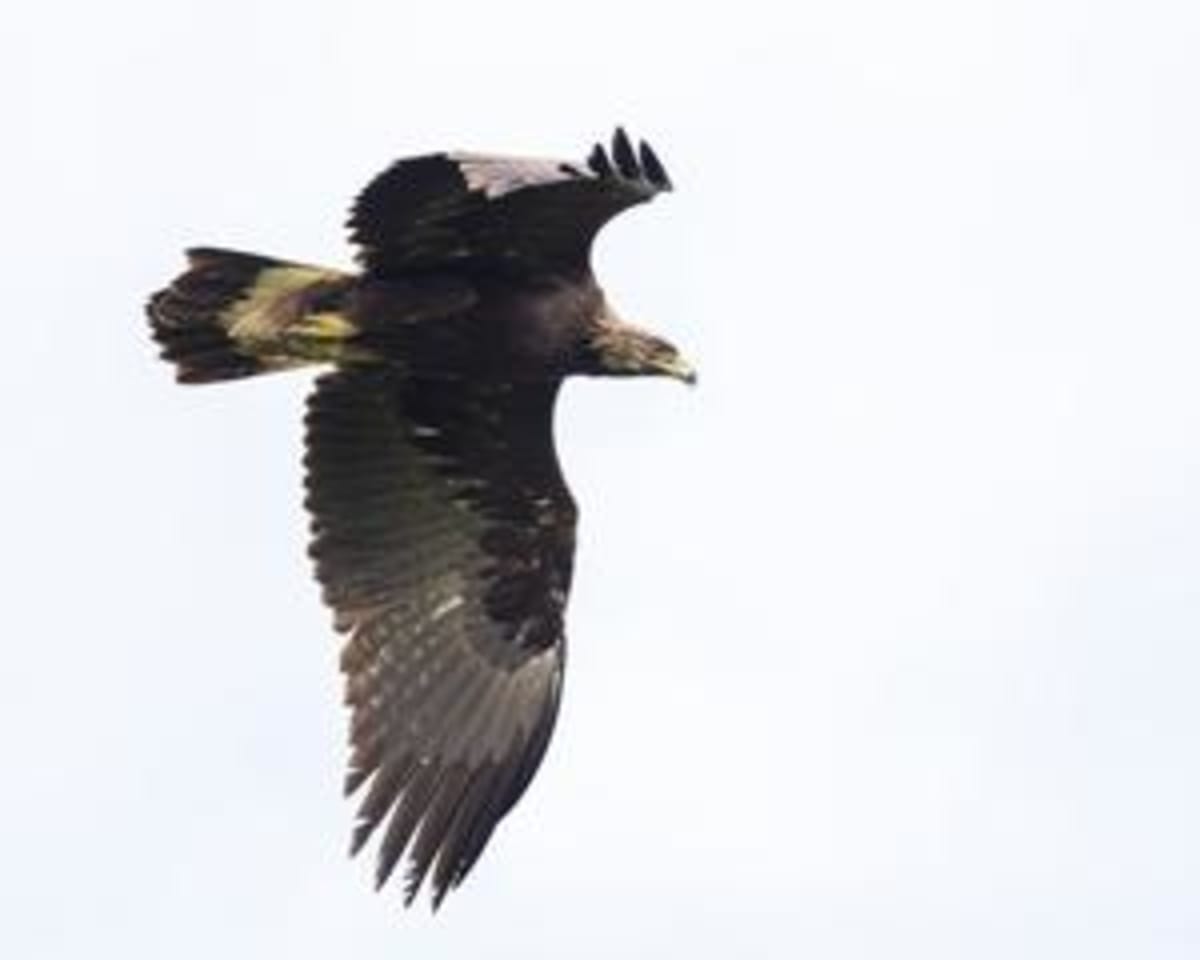
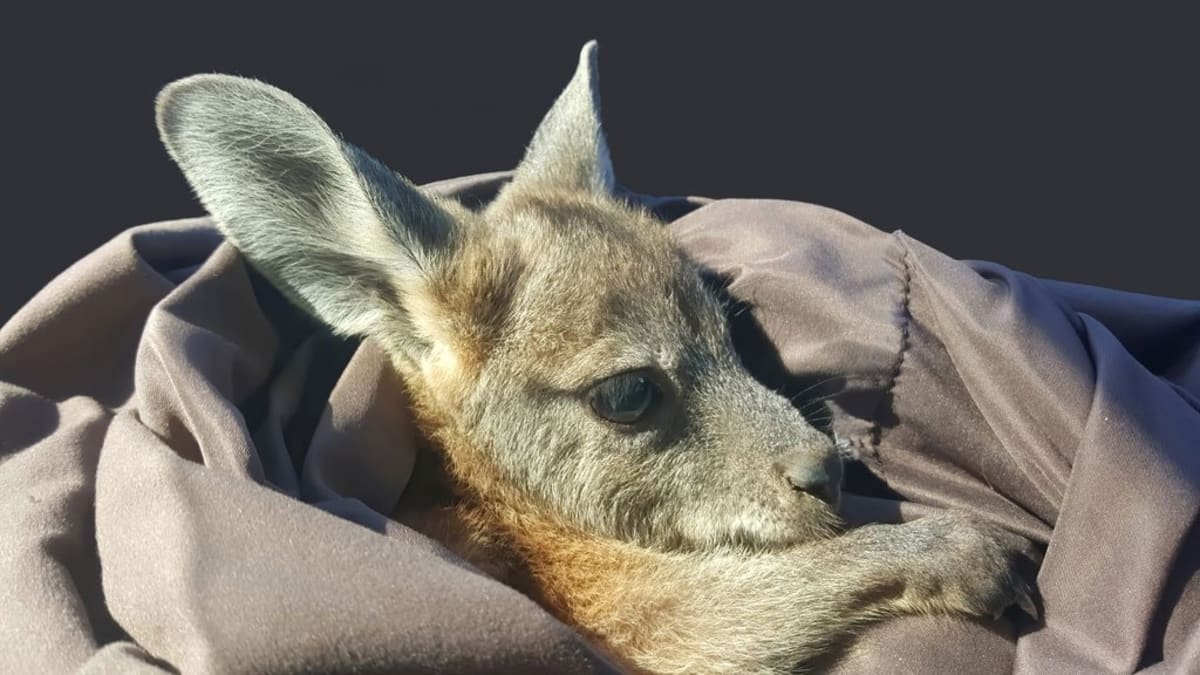
Australian vet students will soon learn to treat injured koalas, raptors, and other native animals through a groundbreaking partnership. Southern Cross University is teaming up with Wildlife Recovery Australia to give future vets hands-on experience that could save thousands of wildlife lives.
Veterinary students at Southern Cross University are getting something most future vets never experience: direct training in saving injured koalas, kangaroos, and birds of prey.
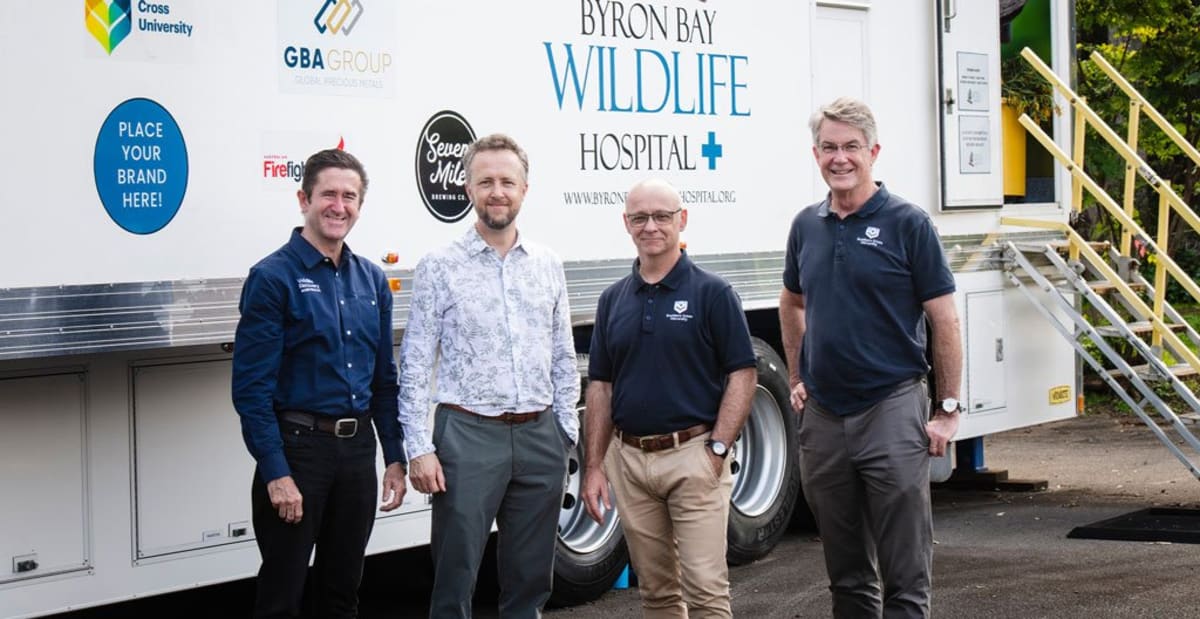
The university just partnered with Wildlife Recovery Australia to let students train inside actual wildlife hospitals, including a custom-built mobile facility housed in a 22-wheel semi-trailer nicknamed "Matilda." Students will learn to perform triage, surgery, and rehabilitation on real wildlife cases alongside expert wildlife vets and nurses.
The timing couldn't be better. Wildlife arrives at general veterinary clinics across Australia every single day, but most vets haven't received proper training to treat native animals. "Too often the animals arrive in boxes, are triaged late, and don't get the outcome they deserve," explains Dr. Stephen Van Mil, founder and CEO of Wildlife Recovery Australia.
The problem comes down to specialized knowledge. Treating a koala requires understanding physiology completely different from a dog or cat. Without that training, even well-meaning vets struggle to provide effective care.
Southern Cross students will rotate through three Wildlife Recovery Australia facilities: a dedicated wildlife hospital in Lennox Head, the Byron Bay Raptor Recovery Centre, and the mobile hospital. Professor Rowland Cobbold, discipline chair of veterinary sciences, notes these skills are "increasingly vital to regional practice where vet clinics regularly treat injured native animals alongside domestic patients."
The partnership tackles two urgent problems at once. Australia faces a critical shortage of veterinarians, especially in rural areas. By training students for mixed-animal practice that includes wildlife, the program creates graduates ready to work where they're needed most across New South Wales and regional Queensland.
The Ripple Effect
This model could transform wildlife outcomes nationwide. When vets in regional towns know how to properly treat native animals, injured wildlife stands a much better chance of survival and release back into the wild.
The partnership also strengthens Southern Cross University's relatively new veterinary programs by offering clinical experiences few other schools can match. Students graduating with authentic wildlife training will stand out in a competitive field while filling a genuine gap in veterinary care.
For injured wildlife across Australia, help is finally on the way in the form of better-trained vets who know exactly what to do when that box arrives at their clinic.
More Images
Based on reporting by Google News - Wildlife Recovery
This story was written by BrightWire based on verified news reports.
Spread the positivity!
Share this good news with someone who needs it