Austin Rescue Cares for 11,000 Baby Animals a Year
Austin Wildlife Rescue is seeing baby animals arrive earlier and in larger numbers than ever before this spring. The organization is calling for volunteers and donations to help save hundreds of tiny lives.
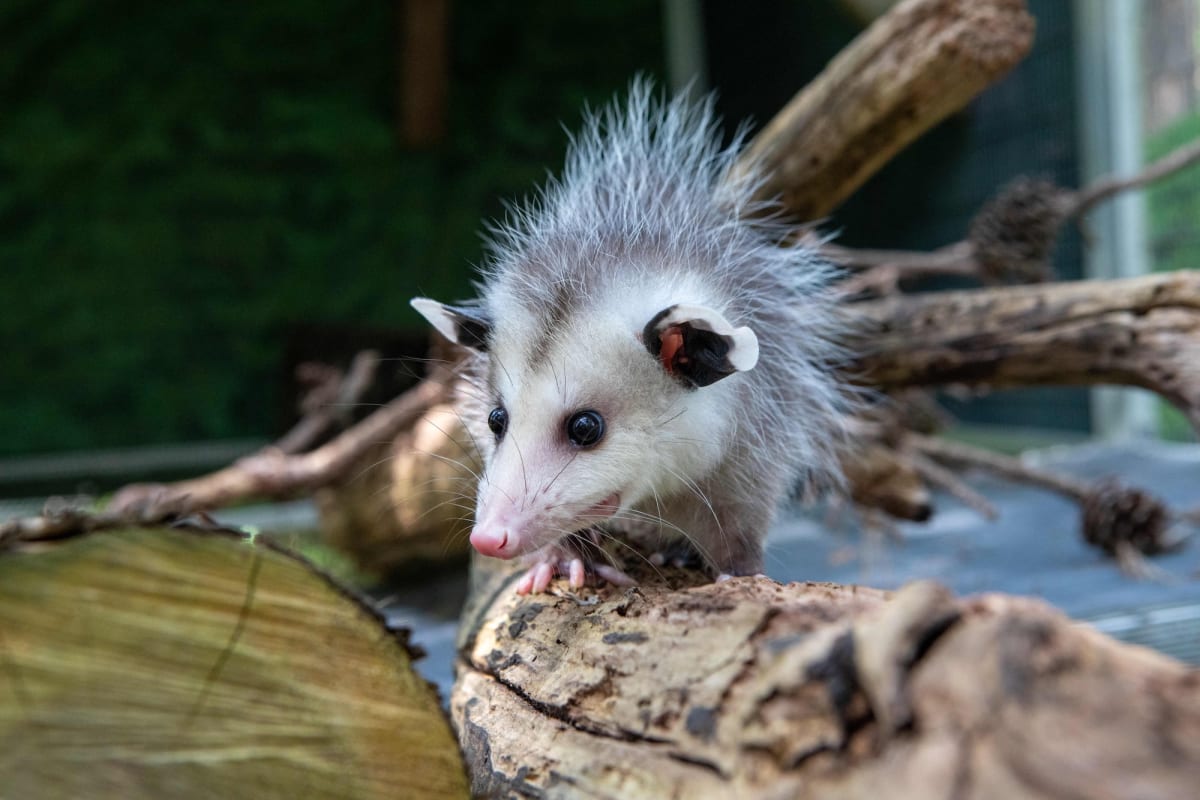
Baby squirrels, opossums, and even armadillos are flooding into Austin Wildlife Rescue at record numbers this spring, and the team is working around the clock to give each one a fighting chance.
The nonprofit cares for around 11,000 orphaned and injured animals every year. But this season, something has shifted. Executive Director Jules Maron says babies are arriving "in larger numbers, faster than we normally do," likely due to a warmer winter that triggered an earlier breeding season.
The rescue has already taken in hundreds of baby squirrels and opossums this year. One day alone brought 30 animals through the door, with more expected before closing time. "It's like the flood gates have pretty much opened," Maron told the Austin American-Statesman.
Spring rainstorms make the problem worse. Heavy rain dislodges baby birds from nests, sweeps young animals from tree hollows, and floods ground nests used by cottontails and skunks. "Every time we have rain, we're all holding our breath," Maron said.
The journey from rescue to release takes serious dedication. Baby squirrels and opossums typically start in incubators, then graduate to heated bins, indoor cages, and finally large outdoor enclosures where they practice climbing and foraging. The entire process takes two to three months, while raccoons need around six months before they're ready for the wild.
Finding suitable release sites presents its own challenge. The rescue depends on county assistance and private landowners who can offer properties of at least 100 acres with reliable water sources. "Without good release sites, it makes what we do a moot point if we don't have that end game," Maron said.
Why This Inspires
Not every baby animal found alone actually needs rescuing. Maron encourages people to call the rescue first before scooping up an animal. The staff can evaluate situations through photos or videos and determine whether intervention is truly needed. Many fawns, for example, are left alone intentionally while their mothers stay away until evening.
The rescue runs on community support. Volunteers donate their time, supporters contribute financially, and people purchase supplies through the organization's Amazon wish list. The team is also preparing for its annual spring baby shower fundraiser, running online from May 4 to May 10.
Every donation and every volunteer hour means another tiny life gets the care it needs to return healthy and wild to its natural home.
More Images



Based on reporting by Google News - Wildlife Recovery
This story was written by BrightWire based on verified news reports.
Spread the positivity!
Share this good news with someone who needs it