Austin's Apollo 2 Robot Learns Jobs Alongside Human Workers
A Texas robotics company just opened a massive training center where humanoid robots learn real workplace skills by working actual jobs in warehouses, factories, and stores. The data they collect helps build smarter robots that can safely work alongside people.
📺 Watch the full story above
Robots are moving from flashy demos to real jobs, and an Austin company just built an 90,000-square-foot training facility to make it happen.
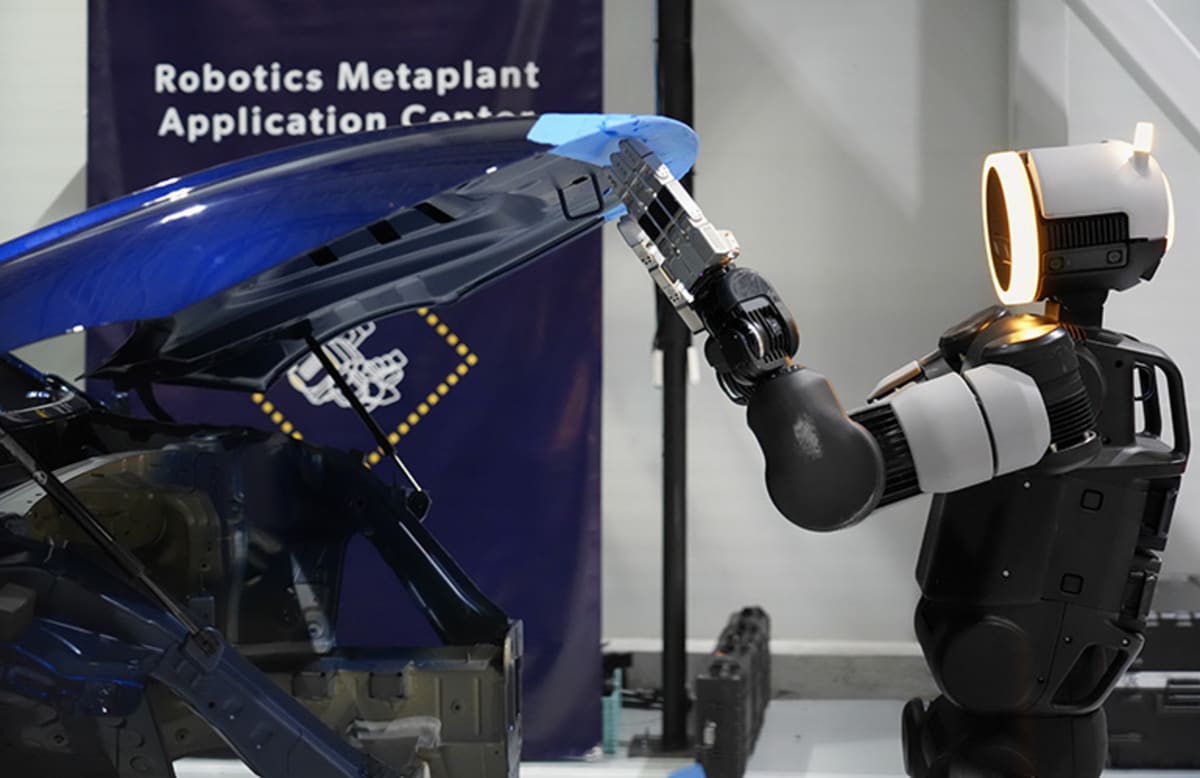
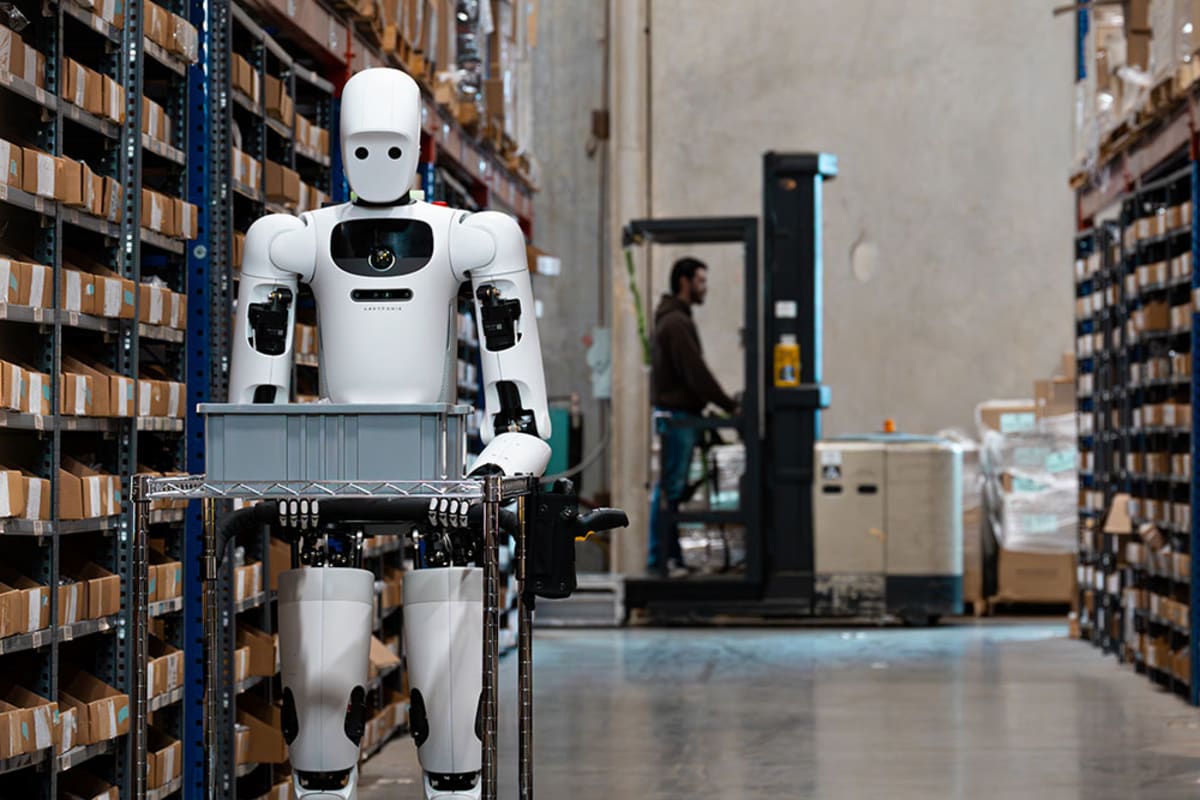
Apptronik unveiled Apollo 2, an updated humanoid robot that's been quietly working for over a year learning tasks in logistics, manufacturing, and retail. The company also opened Robot Park, its flagship training center in Austin where multiple Apollo robots practice real work every day.
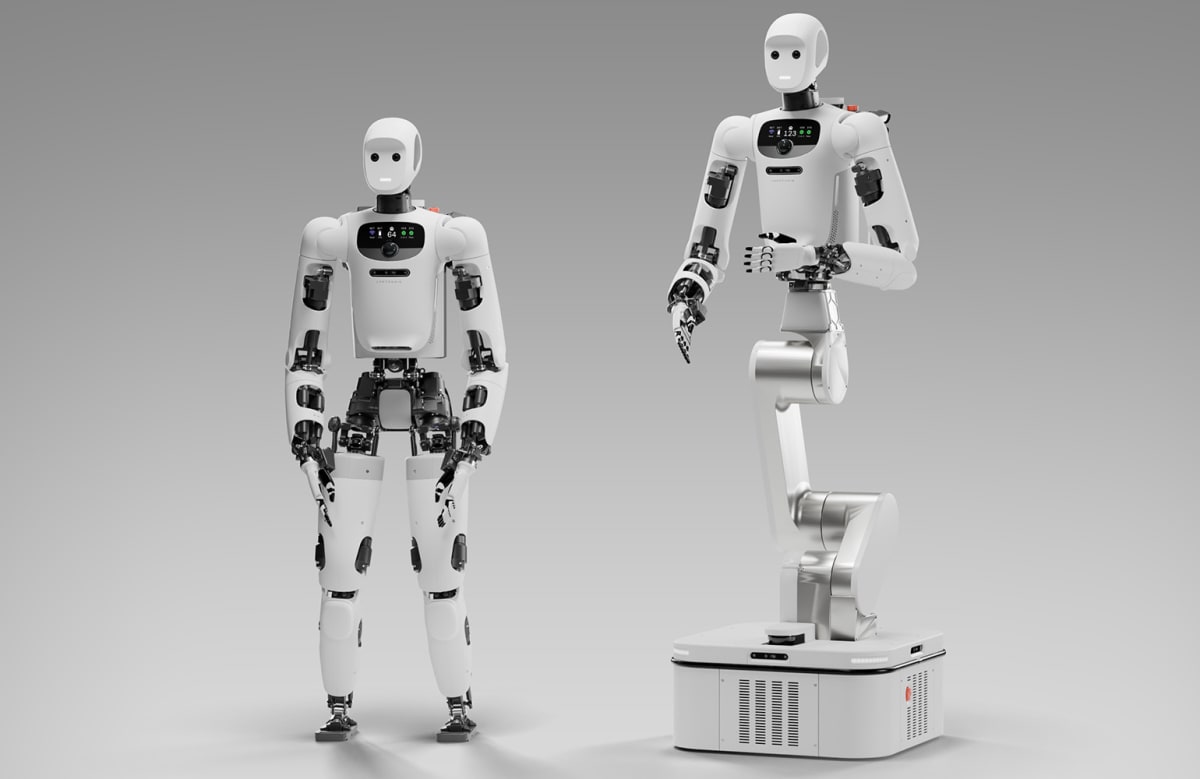
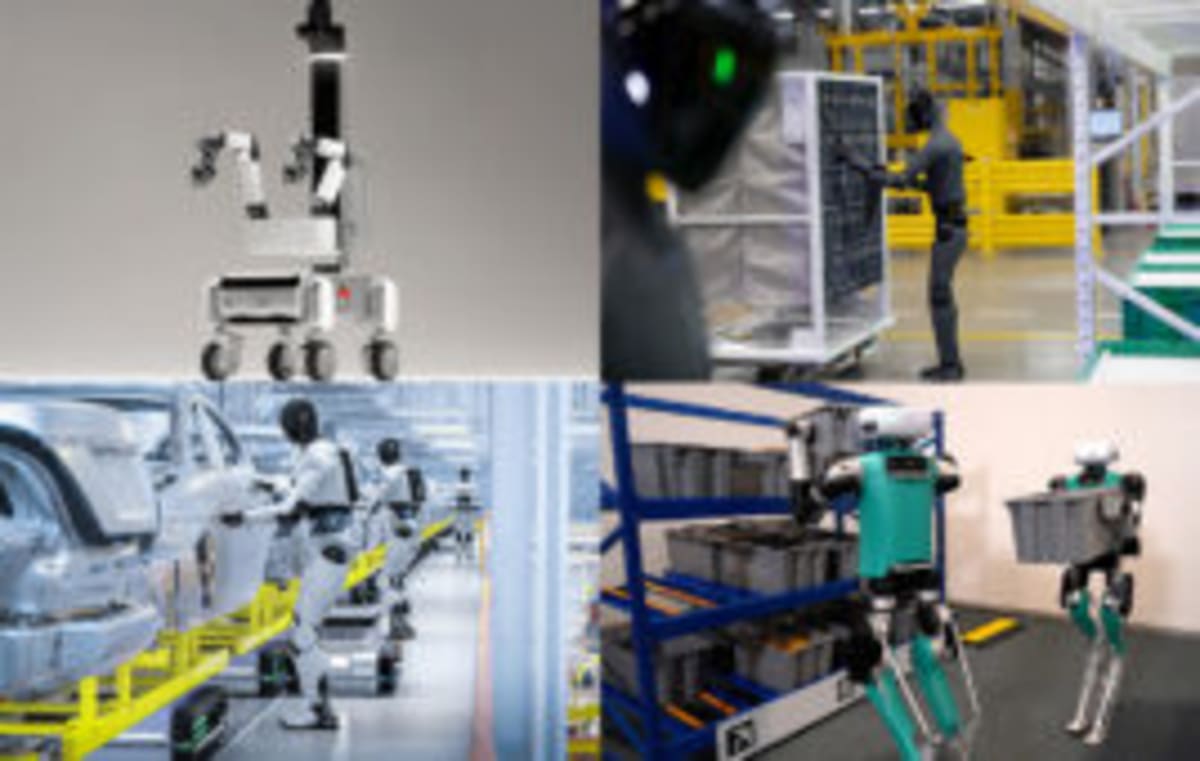
What makes Apollo 2 different is its modular design. The robot comes in two versions: a wheeled base for stability in warehouses and factories, and a walking bipedal model for navigating complex spaces built for humans. Both versions share the same core technology, allowing Apptronik to gather diverse workplace data from different environments.
The company partners with Google DeepMind to feed this real-world data into Gemini Robotics, Google's foundation models for robot intelligence. Every task Apollo completes, whether stacking boxes or moving materials, helps train the AI systems that will power future commercial robots.
Robot Park isn't alone. Apptronik has set up similar facilities at customer sites including Mercedes-Benz and GXO, a global logistics leader. Human operators guide the robots through tasks via teleoperation, and the robots learn from each repetition.
Apollo 2 features an LED mouth and coordinated lighting to communicate with human coworkers. The design prioritizes safety, with the wheeled version conforming to existing industrial robot standards so companies can adopt it without overhauling their operations.
The Ripple Effect
Apptronik's approach addresses one of robotics' biggest challenges: collecting enough real-world data to make robots truly useful. By deploying robots across multiple work sites and tasks, the company is building a continuous learning loop where robots improve with every shift.
The company has nearly 300 employees and raised $520 million earlier this year, bringing total funding to nearly $1 billion. Everything learned through Apollo 2 feeds directly into Apollo 3, the commercial product Apptronik plans to deploy widely.
Founded from the University of Texas at Austin's Human Centered Robotics Lab, Apptronik built Apollo on nearly a decade of development including work on NASA's Valkyrie robot. CEO Jeff Cardenas says the focus has shifted from proving what robots can do to proving they can do it reliably every day.
The vision is practical: robots that can handle repetitive or physically demanding work while humans focus on tasks requiring creativity and judgment. By training in real workplaces rather than laboratories, Apollo learns the unpredictable realities of actual jobs.
Humanoid robots working alongside people are getting closer to reality, one shift at a time.
More Images


Based on reporting by The Robot Report
This story was written by BrightWire based on verified news reports.
Spread the positivity!
Share this good news with someone who needs it