Australia Alert System Quietly Protects Domestic Violence Victims
Australia's first nationwide emergency alert test revealed an unexpected safety challenge for domestic violence survivors with hidden phones. Advocates quietly worked to protect thousands of women before the alarm sounded.
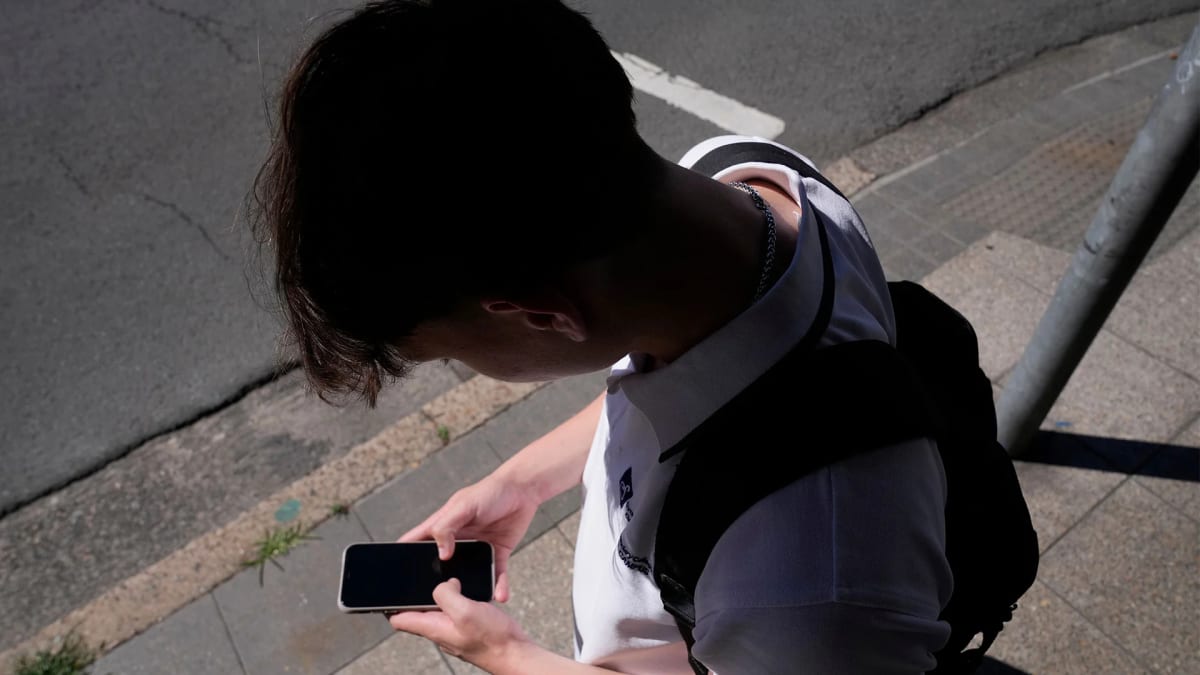
When Australia tested its new emergency warning system on July 27, most people just heard a loud siren and moved on with their day. But for thousands of domestic violence survivors hiding secret phones, that 10-second alert could have exposed their lifeline to safety.
The AusAlert system was designed to save lives during bushfires, floods, and other emergencies. It overrides silent mode and Do Not Disturb settings, sending loud alerts to every compatible phone in the country. The technology works brilliantly for its intended purpose, but it created an unintended risk.
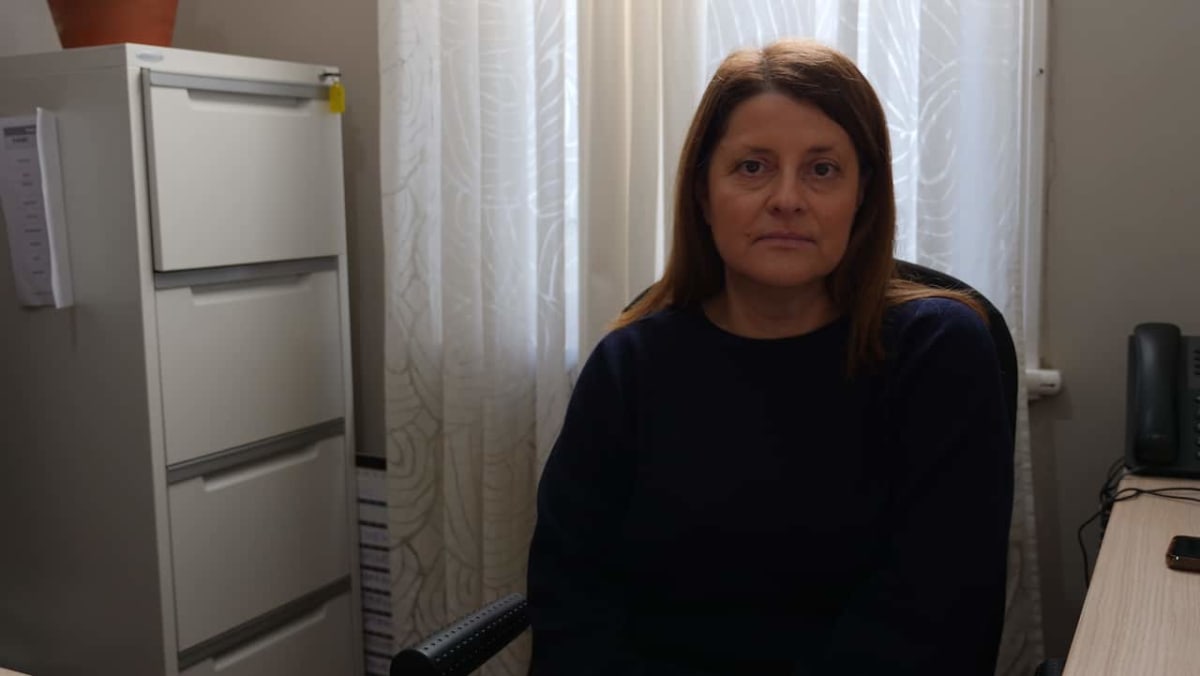
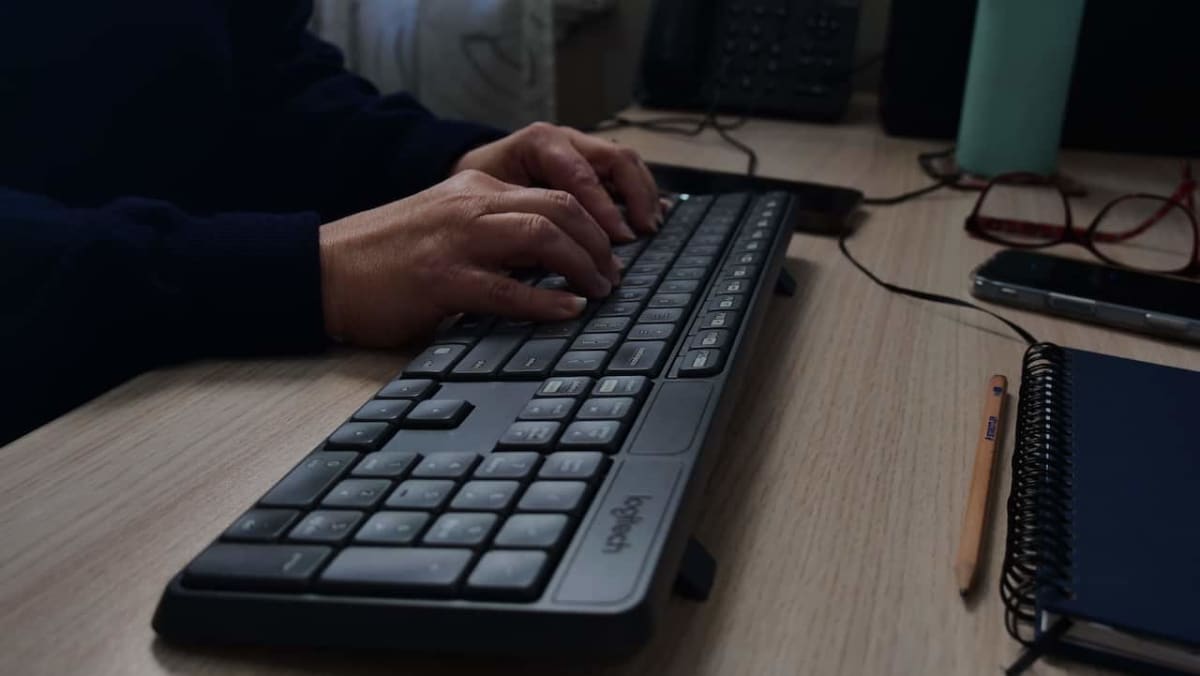
Maria Kissouri leads the Immigrant Women's Speak Out Association in western Sydney. Her team supports migrant women experiencing abuse, and many rely on hidden phones to call for help when their lives are threatened. "They need that phone in case of an emergency to contact Triple Zero," Kissouri explains. A sudden siren from a hidden device could expose these women to immediate danger.
Research shows one in three migrant and refugee women in Australia experienced domestic violence in recent years. For temporary visa holders, that number climbs to 40 percent. Many of these women have no safe person to confide in about their situation.
As the test date approached, advocates faced a delicate challenge. They needed to warn women with hidden phones without making dangerous contact. Kissouri's organization reached out to every woman they safely could, advising them to turn off devices well before the alert or give phones to trusted friends if possible.
The National Emergency Management Agency worked with community organizations to reach vulnerable people directly. They translated information into 19 languages and coordinated discreet outreach. "That work through our peak bodies of going to the victims directly and discreetly is probably the safest way of doing this," says Katarina Carroll, deputy coordinator general for emergency management.
Why This Inspires
This story shows how communities can embrace lifesaving technology while still protecting the most vulnerable. When potential problems were identified, advocates and officials worked together quickly and quietly to ensure no one fell through the cracks.
The solution was simple: turn phones off or switch to airplane mode an hour before and after the test. Women who couldn't safely do that received personal, discreet contact from advocates who've been supporting them through their journey to safety.
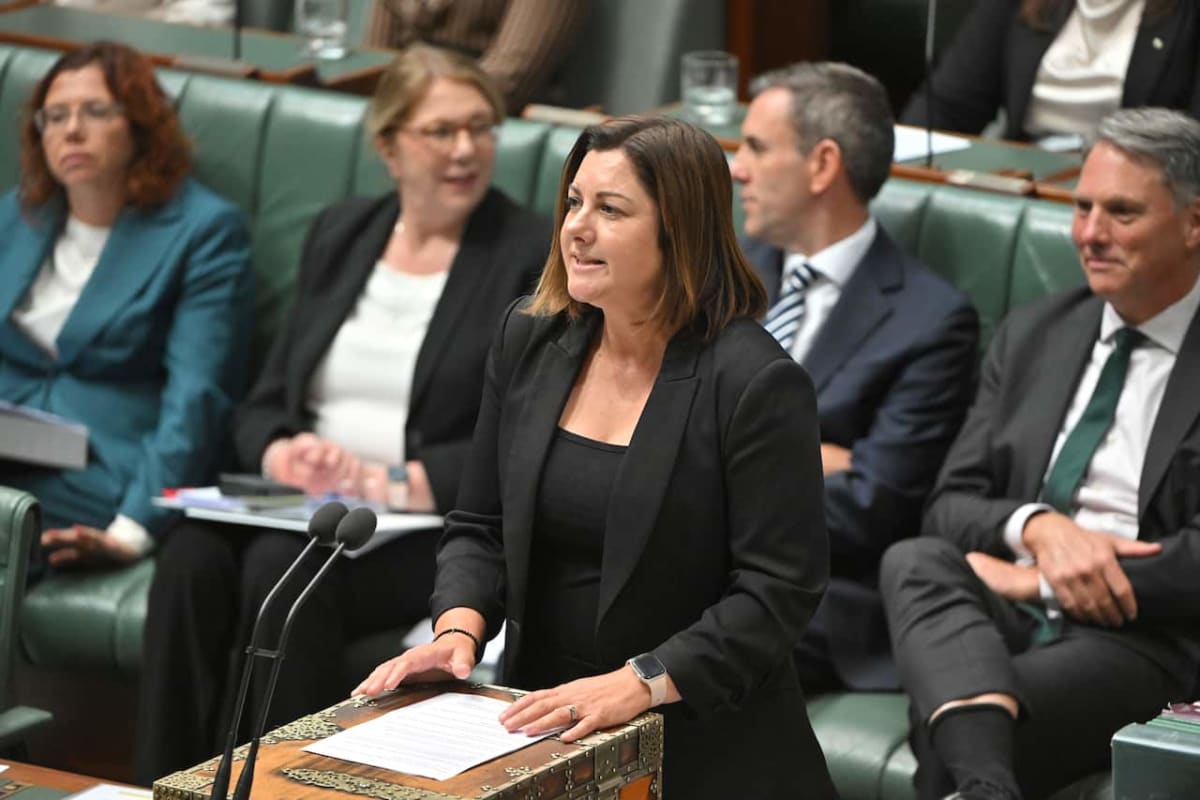
Emergency Management Minister Kristy McBain made sure the message reached everyone: if the alert could make anyone in your family feel unsafe, you have options to protect yourself.
The nationwide test happened smoothly, and the quiet work behind the scenes meant vulnerable women stayed safe while Australia strengthened its emergency response system for everyone.
More Images

Based on reporting by SBS Australia
This story was written by BrightWire based on verified news reports.
Spread the positivity!
Share this good news with someone who needs it