Australia and Indonesia Could Speed Up Global Green Energy
Two nations that control most of the world's coal exports are considering a treaty that would protect both the climate and mining jobs. By agreeing to stop approving new coal mines, they could help stabilize the energy transition while boosting local economies.
Imagine if the world's biggest coal exporters decided to save the planet and protect their workers at the same time.
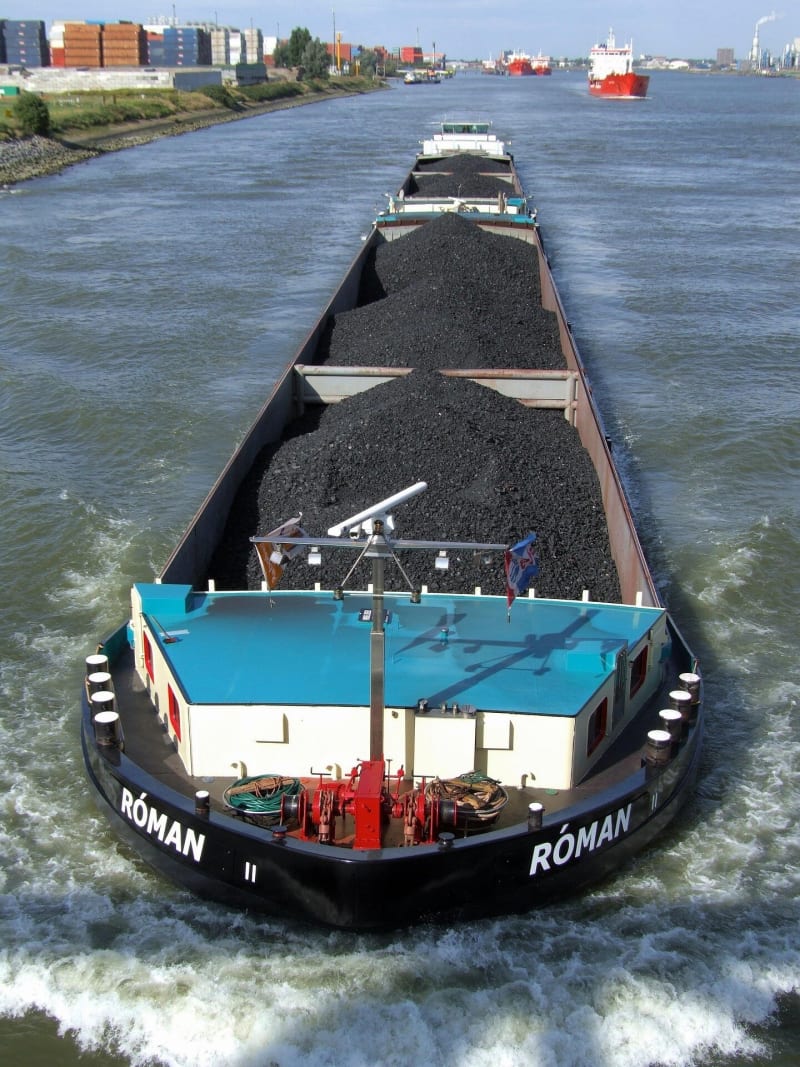
Australia and Indonesia together control two thirds of all coal shipped across oceans. New research shows these two nations could form a groundbreaking treaty to stop approving new thermal coal mines. The move would gradually raise coal prices, speed up the shift to clean energy, and actually help mining communities avoid economic collapse.
The idea draws inspiration from an unexpected source. Back in the 1960s, oil-producing nations formed OPEC to manage supply and boost prices. While that cartel aimed to increase profits, it accidentally helped the environment too. Higher oil prices between 1971 and 2021 prevented 67 billion tons of carbon emissions by reducing demand.
A coal treaty would work differently, with climate action as the main goal. Australia controls nearly 20% of global coal exports, while Indonesia handles almost half. If South Africa and Colombia joined them, the alliance would control 80% of seaborne coal trade.
The benefits reach beyond environmental wins. State governments that depend on coal royalties would earn more from existing mines as prices stabilize. Workers at current operations would see their jobs protected from the chaos of collapsing coal markets. Mining towns could plan orderly transitions instead of facing sudden shutdowns.
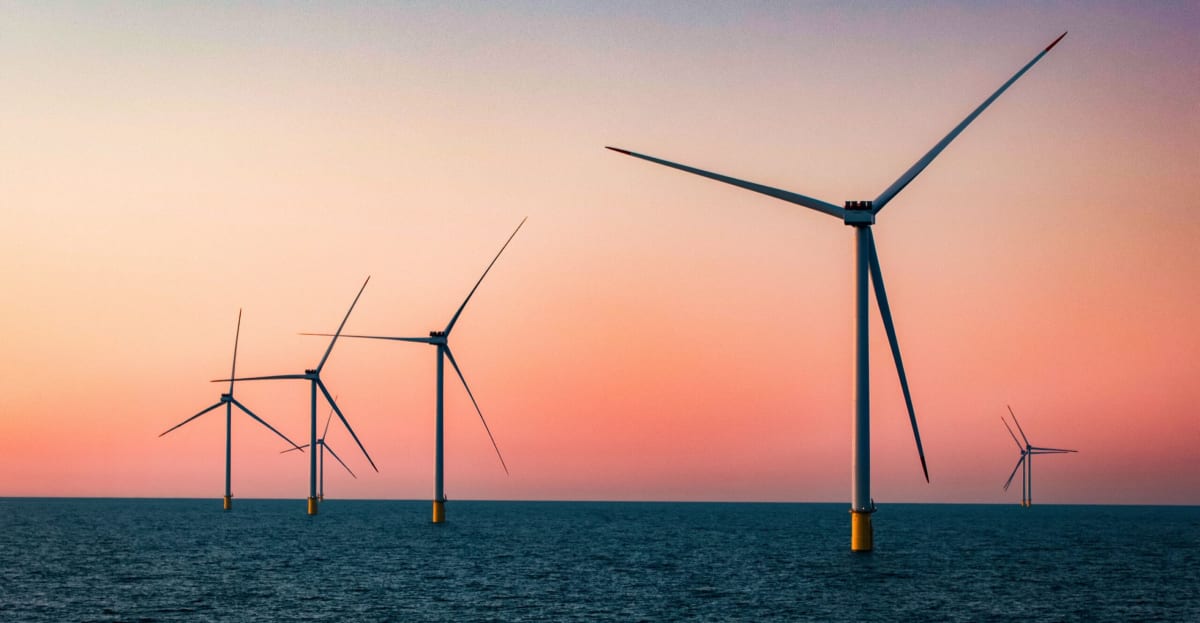
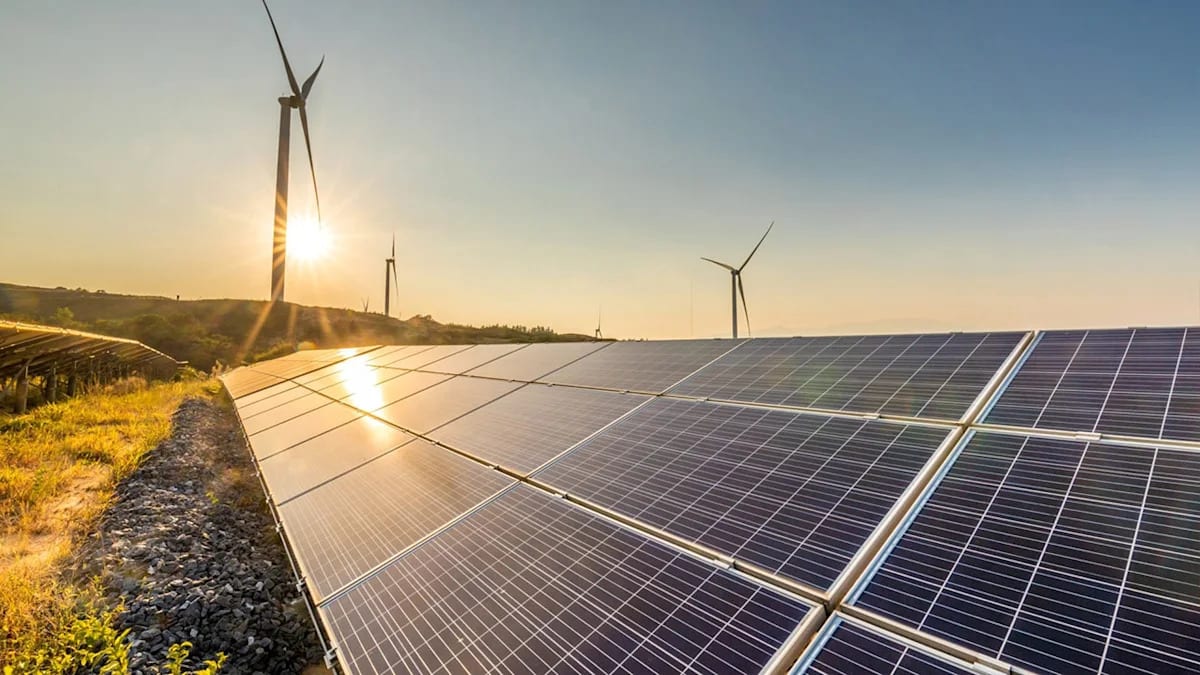
The transition to renewable energy has already begun. Solar, wind and battery storage have become affordable and reliable. Higher coal prices would make switching to these alternatives even more attractive for countries like Japan, South Korea and Taiwan, which import massive amounts of coal.
Getting new coal mines running takes years and requires specialized deepwater ports. This makes the treaty difficult to undermine. Coal-importing nations committed to climate action could reinforce the agreement by pledging to buy only from treaty members.
Right now, Australia has no exit strategy for its coal industry. State governments continue approving new mines despite domestic efforts to close coal power plants. This approach risks repeating America's Appalachian disaster, where unmanaged coal decline devastated entire communities.
The Bright Side
Major investors from Japan, China, South Korea, India and Singapore own stakes in Australian and Indonesian coal projects. These companies would benefit from protecting their existing assets against oversupply. They would likely support a managed transition over aggressive moves to immediately close mines or raise taxes sharply.
The proposal represents climate action that pragmatists can embrace. Only 11 countries worldwide are currently seeking approval for new thermal coal mines. A coordinated agreement among major exporters could reshape global energy markets while protecting workers and communities that depend on coal today.
The path forward blends environmental responsibility with economic wisdom, proving that doing right by the planet and doing right by workers don't have to be opposing goals.
More Images


Based on reporting by Phys.org - Technology
This story was written by BrightWire based on verified news reports.
Spread the positivity!
Share this good news with someone who needs it