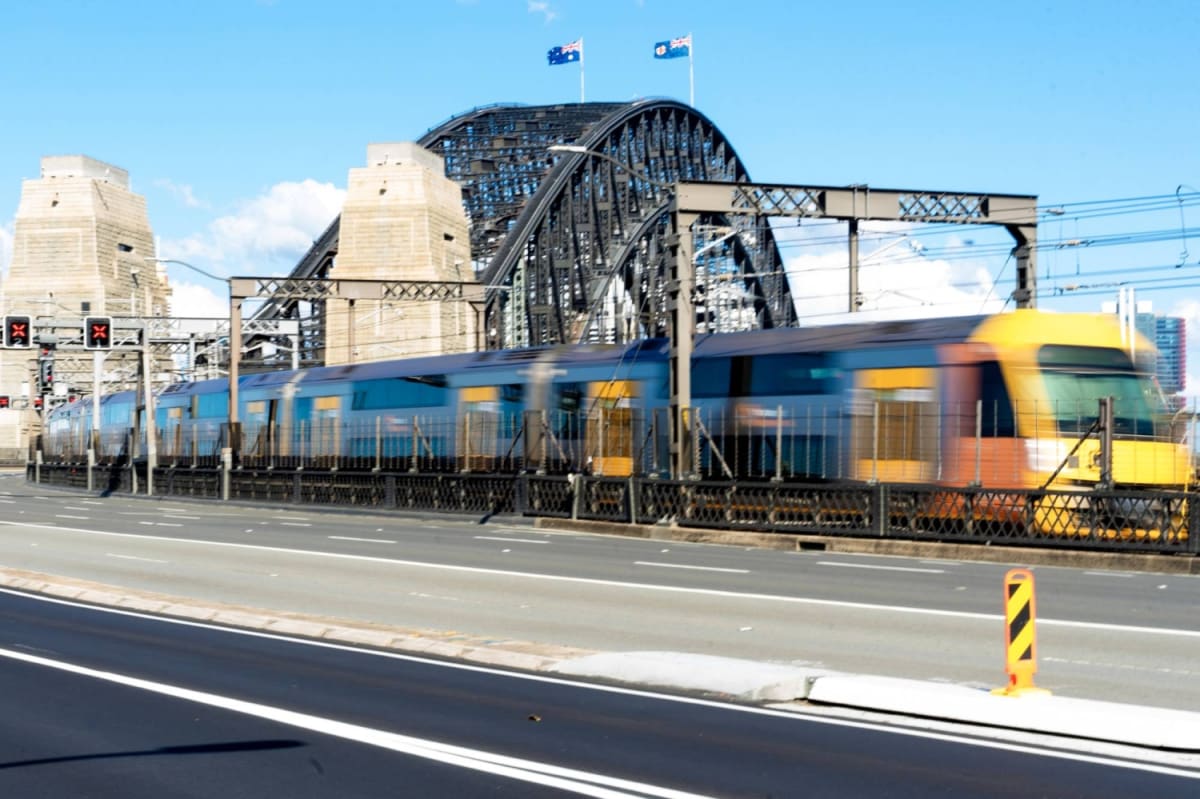
Australia Bets $66B on Bullet Train to Ease Housing Crisis
Australia is turning a decades-old dream into reality with a $66 billion high-speed rail project designed to make housing more affordable. The government just gave the new High Speed Rail Authority $462 million and a leader with a track record of completing massive infrastructure projects.
After decades of false starts and skepticism, Australia is finally taking its bullet train dream seriously, and the reason might surprise you: solving the housing crisis.
Sydney's population has exploded, and home prices have soared beyond reach for many families. Now Prime Minister Anthony Albanese's government is betting that a $66 billion high-speed rail network could be the fix the country desperately needs.
The idea is simple but powerful. Fast trains connecting cities would allow people to live farther from expensive urban centers without sacrificing hours of their day to grueling commutes. Suddenly, affordable housing in smaller towns becomes a real option for workers who need access to big city jobs.
For years, critics dismissed the project as an expensive fantasy that would never materialize. But something has changed. The government created the High Speed Rail Authority and backed it with a $462 million preparatory budget, the most serious investment the idea has ever received.
Leading the charge is Tim Parker, whose resume includes engineering Sydney Harbour Tunnel and Hong Kong's Eastern Harbour Crossing. These aren't small projects. They're the kind of massive infrastructure achievements that reshape how cities function for generations.
"Everything has come together, and we've got a government that wants to do it," Parker said in an interview. "This can be delivered, and should be delivered."
The Ripple Effect goes far beyond housing. High-speed rail could transform regional towns into thriving commuter hubs, bringing jobs and investment to areas that have struggled economically. Small businesses in these communities could flourish as more families move in, creating a virtuous cycle of growth and opportunity.
Environmental benefits add another layer of appeal. Fast, comfortable trains could pull thousands of cars off highways and reduce short-haul flights between cities, cutting carbon emissions while improving quality of life.
The project still faces skeptics, and $66 billion is serious money. But for the first time, Australia has both the funding framework and the leadership to turn this vision into steel and concrete. Parker's track record suggests he knows how to finish what others thought impossible.
For young Australians priced out of homeownership and families trapped in rental stress, the bullet train represents more than faster travel: it's a pathway to the dream of owning a home without giving up career opportunities or spending life stuck in traffic.
More Images

Based on reporting by Japan Times
This story was written by BrightWire based on verified news reports.
Spread the positivity!
Share this good news with someone who needs it

