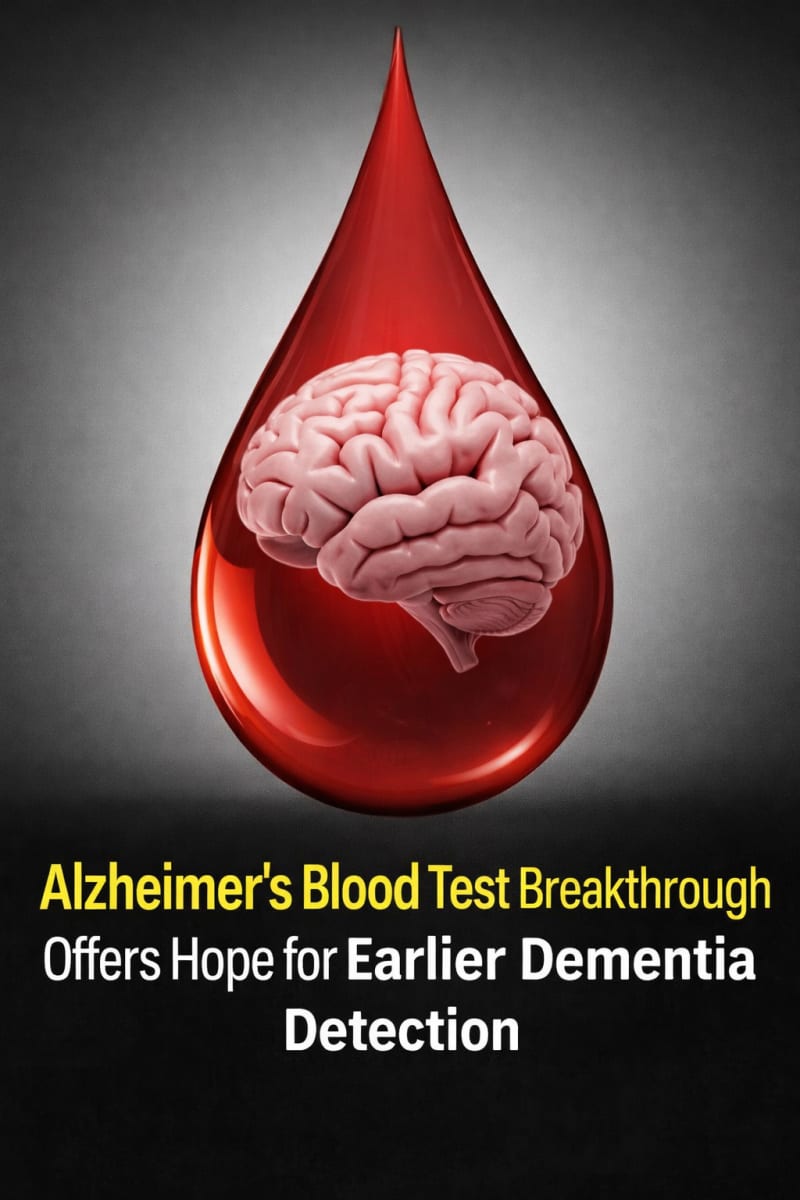
Australia Blood Test Detects Alzheimer's Years Early
Australian researchers are turning a simple blood test into a powerful early warning system for Alzheimer's disease, potentially catching the condition years before symptoms appear. The breakthrough could make detection cheaper, easier, and accessible to people far from major cities.
A simple blood test could soon catch Alzheimer's disease years before memory problems begin, thanks to breakthrough work by Australian researchers.
The new technology detects tiny amounts of harmful proteins in the blood that signal Alzheimer's is developing in the brain. Scientists can now spot these warning signs with growing accuracy, giving families precious time to plan and access support.
Right now, diagnosing Alzheimer's means expensive brain scans or invasive spinal taps that many Australians struggle to access. These tests can cost thousands of dollars and often require traveling to major cities, leaving regional communities with fewer options.
Blood tests change that equation completely. A GP could order the screening during a regular checkup, then refer patients who test positive to specialists for confirmation.
The timing matters because Alzheimer's starts damaging the brain up to a decade before symptoms show up. Catching it early means patients can make informed decisions about their care while they're still able to participate fully in those conversations.
Hundreds of thousands of Australians currently live with dementia, and that number keeps climbing as the population ages. Better screening tools could help the healthcare system prepare and respond more effectively.
The Ripple Effect
The benefits extend far beyond individual patients. Regional doctors gain a powerful new tool without needing specialized equipment, helping level the playing field between city and country care.
Families get more time to have difficult conversations, arrange support services, and create meaningful memories before the disease progresses. Financial and legal planning becomes possible while the patient can still actively participate.
As new medications that slow Alzheimer's progression reach Australia, early detection becomes even more critical. These treatments work best in the earliest disease stages, making accurate screening essential.
Researchers emphasize the tests aren't perfect yet and won't replace specialist assessment. Medical experts stress the need for careful ethical guidelines around when and how to deliver early diagnoses, especially since treatment options remain limited.
Dementia advocates welcome the progress but urge against overselling results before large clinical trials confirm reliability. They're pushing for counseling frameworks to support patients who receive positive results.
If ongoing studies continue showing strong results, blood testing could mark the biggest shift in dementia care in decades. The combination of accessibility, affordability, and accuracy could transform how Australia approaches Alzheimer's detection.
Anyone worried about memory changes should talk to their GP now, as early assessment remains the best path to understanding symptoms and accessing current support services.
More Images
Based on reporting by Google News - Australia Breakthrough
This story was written by BrightWire based on verified news reports.
Spread the positivity!
Share this good news with someone who needs it