Australia Can Save 1,700 Species for 0.3% of GDP
Australian scientists just proved saving every threatened species in the country won't break the bank. Their 30-year blueprint costs less than current fossil fuel subsidies.
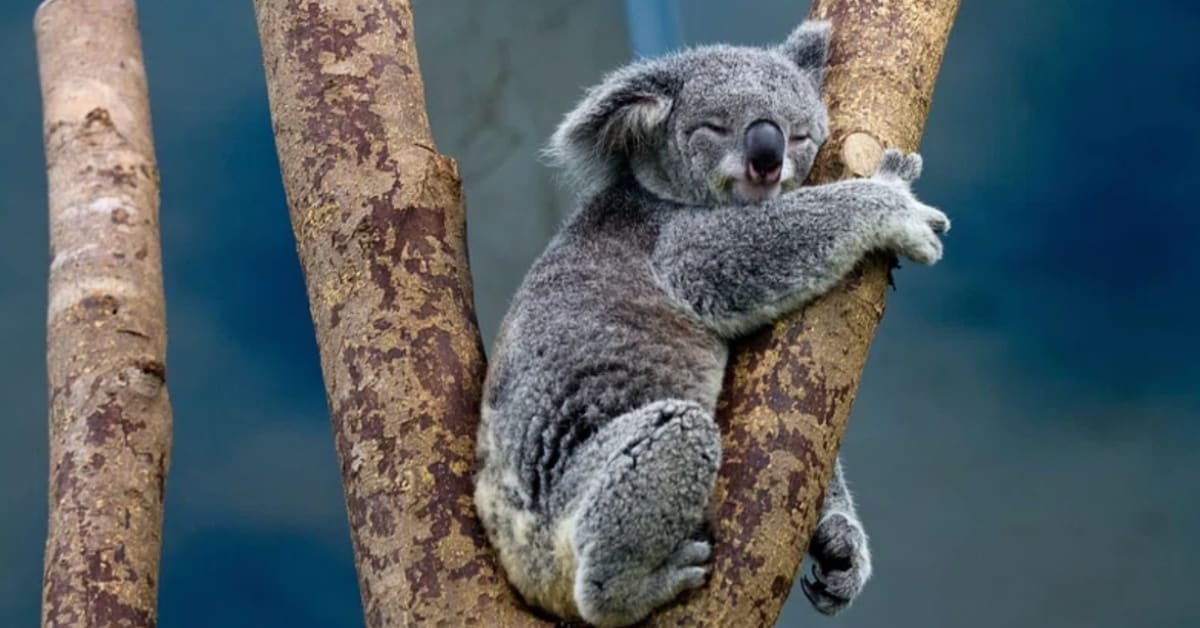
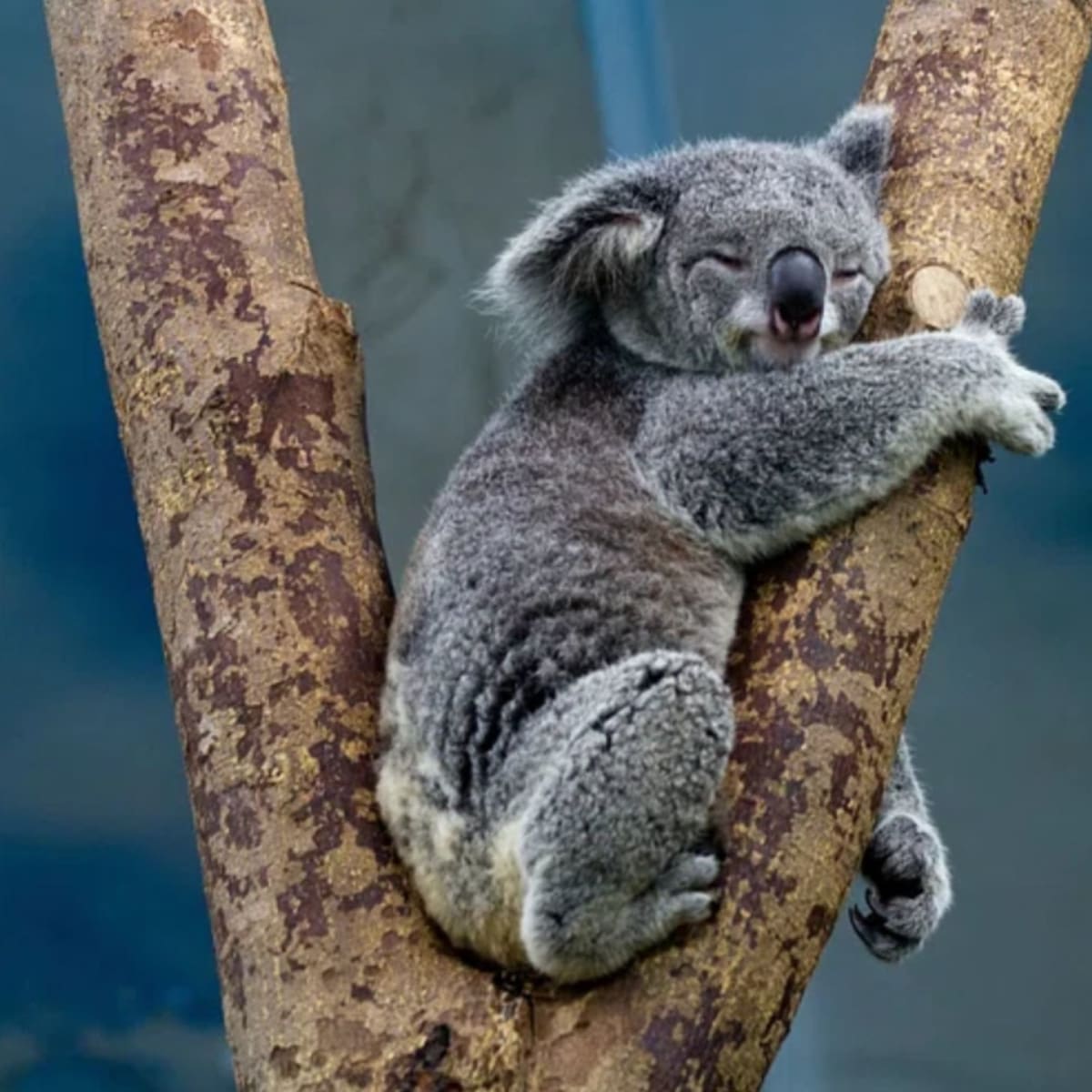
Saving koalas, wombats, numbats, and 1,700 other threatened Australian species might sound impossibly expensive, but scientists just crunched the numbers and found something remarkable.
The Wentworth Group of Concerned Scientists spent six years developing a complete action plan to rescue Australia's wildlife from extinction. Their "Blueprint to Repair Australian Landscapes" includes 24 steps to fix fragmented river systems, restore degraded habitats, and prevent species loss across the continent.
The price tag? Just $7.3 billion annually for the next 30 years.
That's less than two-thirds of what Australia currently spends on fossil fuel subsidies each year. It represents only 0.3% of the country's GDP, a fraction of the economic value nature provides.
"Given that nearly half of our GDP depends on nature, that's a pretty sound investment," Martine Maron, an environmental science professor at The University of Queensland, told the National Press Club. The blueprint addresses everything from the emerald waters of the Great Barrier Reef to the vast stretches of the arid outback.
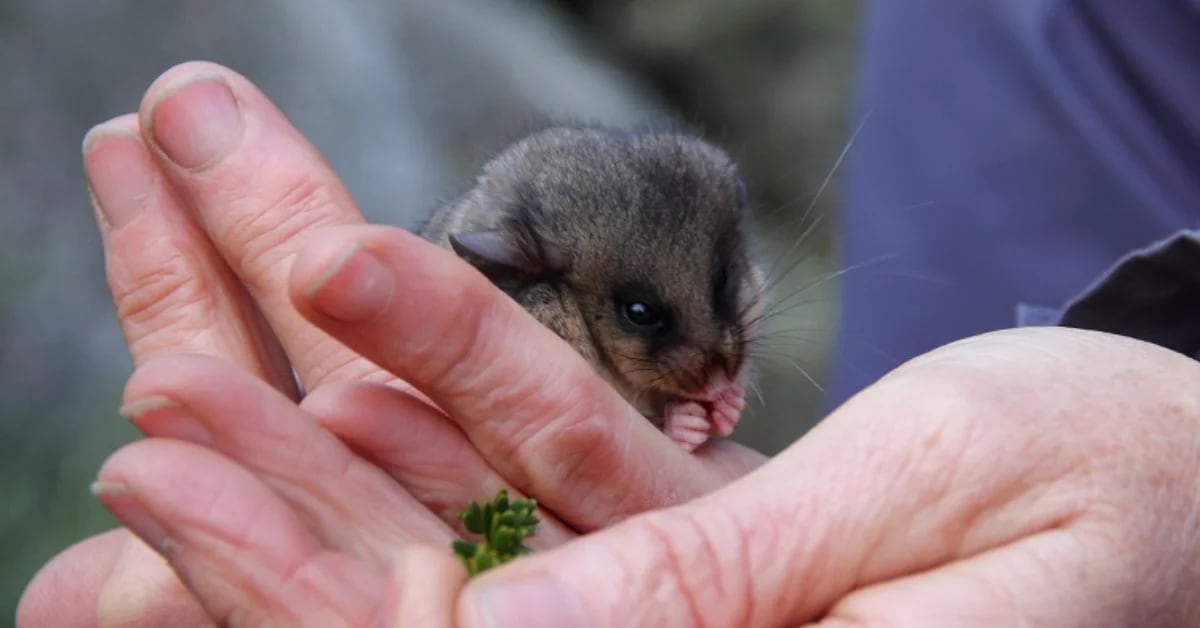
The 60 scientists behind the plan believe their roadmap could avoid most extinctions and recover almost all threatened species if implemented. That includes beloved animals like koalas and pygmy possums, along with lesser-known creatures like tinker frogs.
The Bright Side
The research team didn't just identify problems. They showed Australians a clear path forward that proves environmental protection and economic growth aren't opposing forces.
"The key finding of our blueprint is that Australians don't have to choose," said Jamie Pittock, a professor of geography at the Australian National University. "We can afford to have both a healthy environment and a productive economy."
The plan demonstrates that saving nature at scale doesn't require choosing between jobs and wildlife or development and conservation. With strategic investment equal to a small fraction of what the country already produces, Australia could become a global leader in species recovery.
Sometimes the biggest breakthroughs come from simply doing the math and realizing the impossible is actually within reach.
More Images

Based on reporting by Google: species saved endangered
This story was written by BrightWire based on verified news reports.
Spread the positivity!
Share this good news with someone who needs it