Australia Could Produce Solar Material by 2030
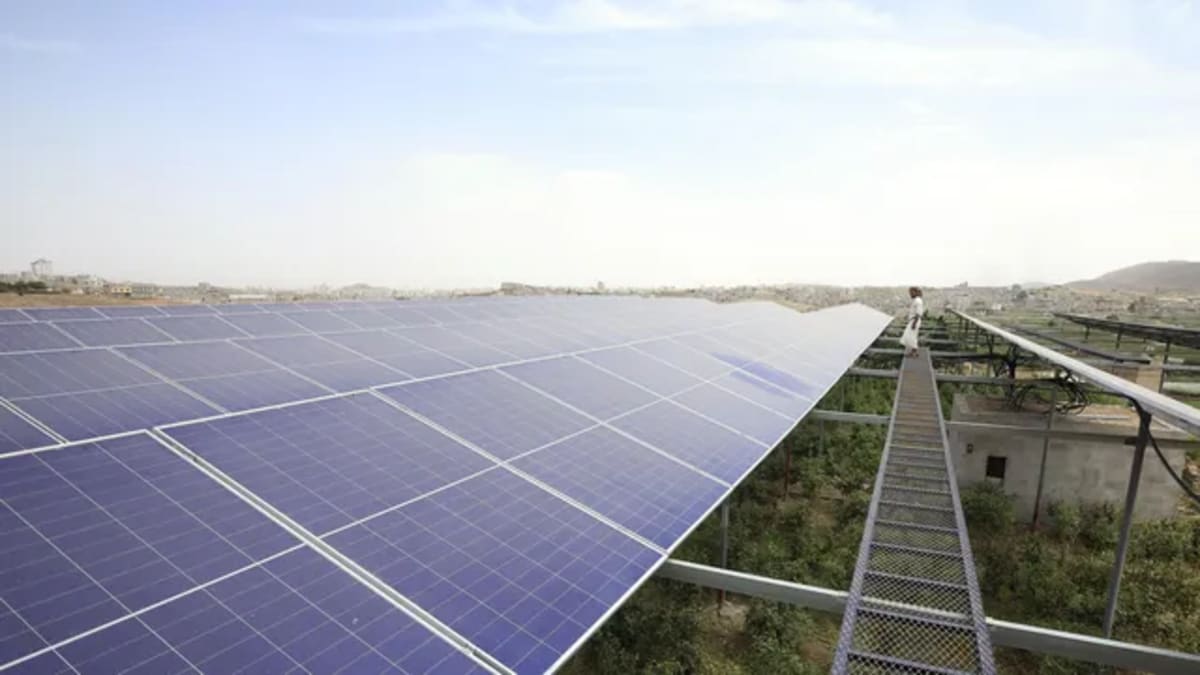
Australia is positioned to become a major producer of polysilicon, the essential material for solar panels, with plans for a plant that could compete globally while meeting demand for cleaner, ethically sourced supplies.
Australia could soon manufacture the key ingredient in solar panels, breaking China's dominance in a market hungry for cleaner alternatives.
A new study from the University of New South Wales shows that Australia can produce polysilicon competitively, provided plants operate at a scale of at least 50,000 metric tons per year. The research, commissioned by the Australian Renewable Energy Agency, maps out a realistic path for the country to enter this critical clean energy market.
Lead researcher Michelle Vaqueiro Contreras points to Australia's unique advantages. The country already excels at large-scale chemical processing, has abundant renewable energy, and can access high-quality raw materials like quartz right at home.
The timing couldn't be better. While Chinese polysilicon currently floods the market at rock-bottom prices, Western countries are increasingly willing to pay more for materials with verified ethical sourcing and lower carbon footprints. Premium polysilicon can fetch up to $24 per kilogram in these markets, compared to $10-14 for standard material.
Australian producers would target this premium segment, offering traceable, low-carbon polysilicon to buyers who care about sustainability. Even within China, a secondary market exists for materials meeting stricter environmental and labor standards.
The study recommends using the proven Siemens production process, which accounts for 90% of global polysilicon manufacturing. This mature technology faces no patent barriers and can produce material pure enough for both solar panels and semiconductors.
The Ripple Effect
Getting started would require government support similar to what the United States, Europe, and India provide their emerging industries. Researchers suggest an initial grant of $1 to $1.5 billion plus production credits of $3 per kilogram for ten years, matching America's Inflation Reduction Act incentives.
The Hunter Energy Hub in New South Wales emerges as the ideal location. This planned renewable energy zone aims to host green industries like hydrogen production and clean steel manufacturing, sharing infrastructure to reduce costs and emissions.
Australia's solar manufacturing ecosystem is already growing through coordinated programs including the National Reconstruction Fund and ARENA's Solar Sunshot initiative. Projects are underway in Townsville and Western Australia to produce the raw materials needed for polysilicon production.
Industry stakeholders have expressed strong interest in Australian-made polysilicon, but timing matters. Acting quickly could position Australia to fill the projected supply gap emerging after 2030, creating jobs while supporting the global transition to clean energy.
More Images

Based on reporting by PV Magazine
This story was written by BrightWire based on verified news reports.
Spread the positivity!
Share this good news with someone who needs it