Australia Gets Adaptive Brain Implant for Parkinson's
Walter Grkovic just became the first Australian to receive a "smart" brain implant that automatically adjusts to fight Parkinson's symptoms in real time. The new adaptive deep brain stimulation technology has already helped 150,000 Australians living with the debilitating disease.
A room full of doctors held their breath as a tiny device switched on inside Walter Grkovic's brain, making Australian medical history.
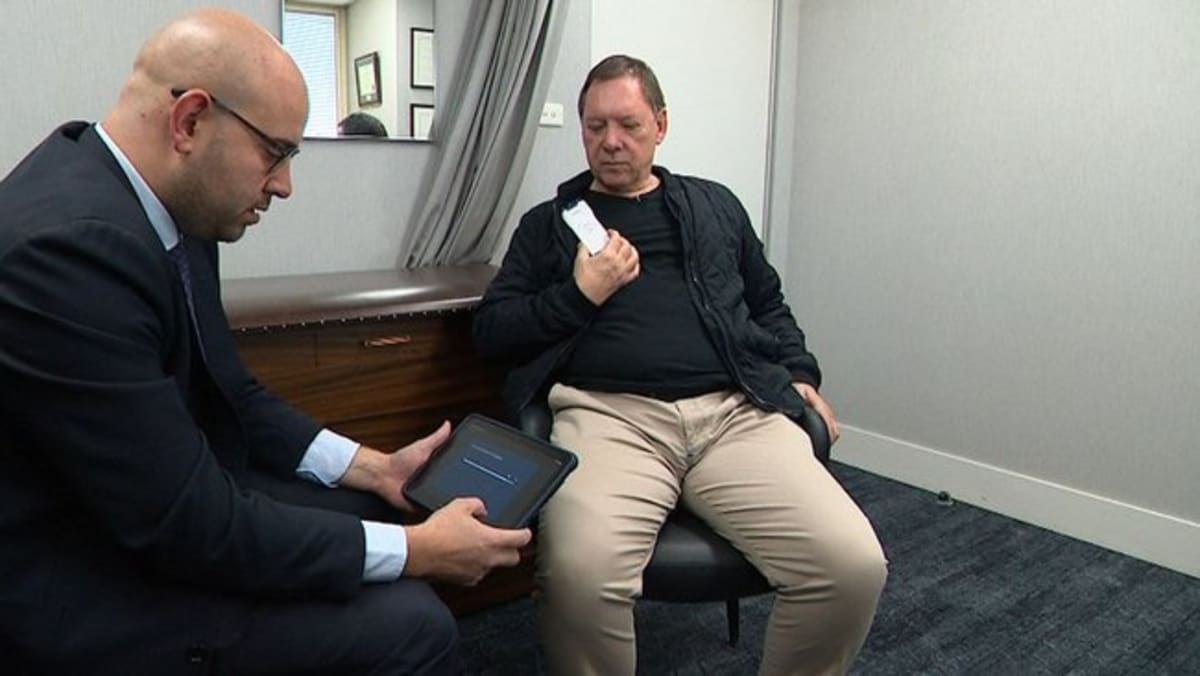
The professional actor just became the first person in the country to receive adaptive deep brain stimulation, a breakthrough treatment for Parkinson's disease that reads brain signals and adjusts itself automatically. "It's great, I'm making history," he laughed as cameras captured the milestone moment at St Vincent's Hospital.
About 50 Australians get diagnosed with Parkinson's every day, facing tremors, muscle stiffness, and freezing episodes that can leave them unable to move. The condition affects more than 150,000 people nationwide, and until now, treatment options have been limited.
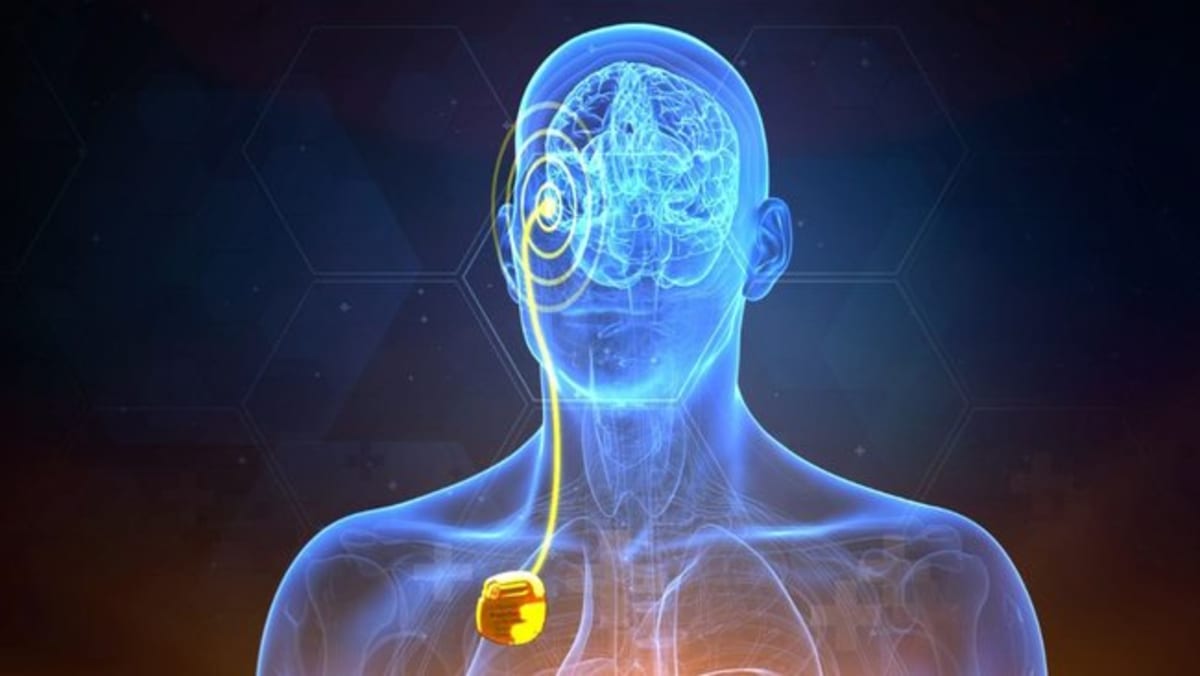
The new system works like a smart pacemaker for the brain. Doctors implant electrodes in the part of the brain controlling movement, connected to a battery device in the chest that sends tiny electrical pulses to alter the brain activity causing symptoms.
Here's what makes it revolutionary: older deep brain stimulation delivered constant pulses, but this adaptive version continuously monitors brain signals and adjusts stimulation strength in real time. "I think of it as the next generation of brain stimulation," said St Vincent's neurologist Dr Joel Maamery.
For Grkovic, the timing couldn't be better. Six months ago, his feet cramped so badly he couldn't walk, and he often froze in place, stuck on the floor. "It was agony," he recalled. "There was definitely a lot of fear around how am I going to survive or get through the day."
He was diagnosed 10 years ago after noticing tremors on stage. Medication controlled his symptoms for five years, then everything got worse all at once.
Traditional deep brain stimulation surgery earlier this year already transformed his daily life. He now walks unassisted and has far fewer debilitating episodes. The adaptive upgrade promises to smooth out the remaining rough patches when his medication wears off.
Why This Inspires
This isn't just about one patient or one disease. The technology has been available in the US and Europe for only 12 months, and Australia's quick approval means thousands more patients will get access sooner.
Researchers are already exploring whether the same approach could treat epilepsy and depression. Each breakthrough builds on the last, opening doors that seemed impossible just years ago.
Grkovic's device will spend the coming weeks learning his unique brain patterns, getting smarter with each day. "The good thing about the new technology is because it can detect when I need more stimulation, it'll self-regulate," he explained.
Dr Maamery put it perfectly: "This really is the next step along the journey as we learn more about the brain and what treatments we can provide for our patients."
For 150,000 Australians living with Parkinson's, that journey just got a whole lot brighter.
More Images


Based on reporting by Google News - Australia Breakthrough
This story was written by BrightWire based on verified news reports.
Spread the positivity!
Share this good news with someone who needs it