Australia Invests $1B+ to Green Its Shipping Industry
Australia just launched a sweeping plan to eliminate shipping emissions by 2050, backed by over a billion dollars in clean fuel funding. The strategy could turn the island nation into a model for decarbonizing one of the world's toughest industries to clean up.
Ships carry 90% of global trade, but cleaning up their emissions has stumped engineers and policymakers for decades. Australia just rolled out a roadmap that could change that, committing more than $1 billion to transform its maritime industry into a zero-emission powerhouse by 2050.
The Maritime Emissions Reduction National Action Plan tackles the shipping sector's biggest chicken-and-egg problem: ships won't switch to clean fuels without ports to refuel them, and ports won't build infrastructure without ships to use it. Australia's solution puts government money behind both sides of the equation.
The plan channels $1.08 billion through the Future Made in Australia Innovation Fund to boost domestic production of zero-emission fuels like renewable hydrogen and ammonia. Another $792 million supports the Cleaner Fuels Program, while $1.62 billion backs large-scale renewable hydrogen projects that could eventually power container ships and tankers.
But Australia isn't just thinking about giant cargo vessels. The plan specifically helps smaller operators like fishing boats and tour companies pool their purchasing power to attract fuel suppliers to remote coastal regions where individual demand might be too small.
While new fuels scale up, the government allocated $37.2 million to create a single digital system that cuts red tape at ports. Streamlining ship arrivals and reducing wait times outside harbors delivers immediate emissions cuts without requiring any new technology.
The Ripple Effect
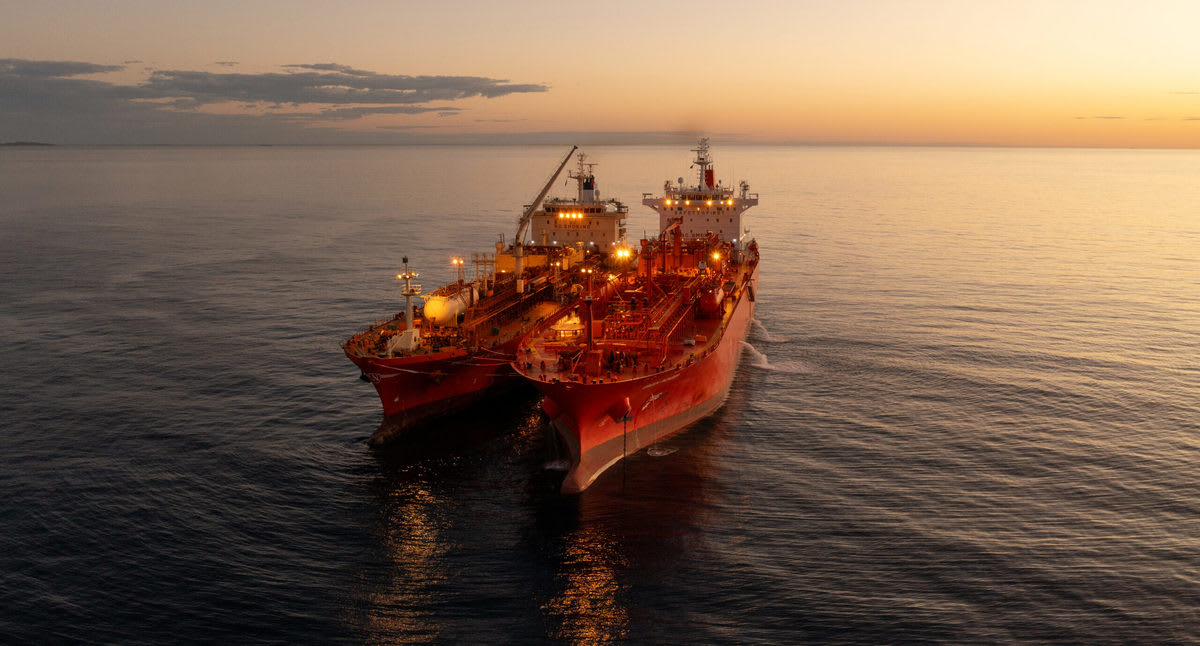
Australia's timing positions it perfectly as a global testing ground. The country already completed the world's first ship-to-ship ammonia fuel transfer at Port Dampier, proving the infrastructure can work safely at scale.
The plan's partnership approach extends beyond borders too. Australia committed $14.4 million to joint projects with Singapore, creating a green shipping corridor that could serve as a blueprint for Asian trade routes. If successful, the model could reshape how the world's busiest shipping lanes operate.
The strategy also removes regulatory roadblocks that punish early adopters, working with maritime safety authorities to ensure outdated rules don't block promising new vessel technologies. That could accelerate adoption of everything from hydrogen fuel cells to advanced battery systems.
By tackling fuel production, port infrastructure, financing, and regulations simultaneously, Australia created a comprehensive framework other coastal nations are already studying. The plan proves that even industries resistant to change can chart a course toward sustainability when government meets the moment with serious investment and smart coordination.
One island nation just showed the world how to clean up the seas while building a competitive advantage in tomorrow's energy economy.
More Images
Based on reporting by Google News - Emissions Reduction
This story was written by BrightWire based on verified news reports.
Spread the positivity!
Share this good news with someone who needs it