Australia Invests $33M to Make 70% of Homes Energy Efficient
Seventy percent of Australian homes were built before energy standards existed, leaving them drafty, expensive, and rated below 3 stars. Now a $32.7 million federal program is helping homeowners transform these vintage houses into comfortable, money-saving spaces.
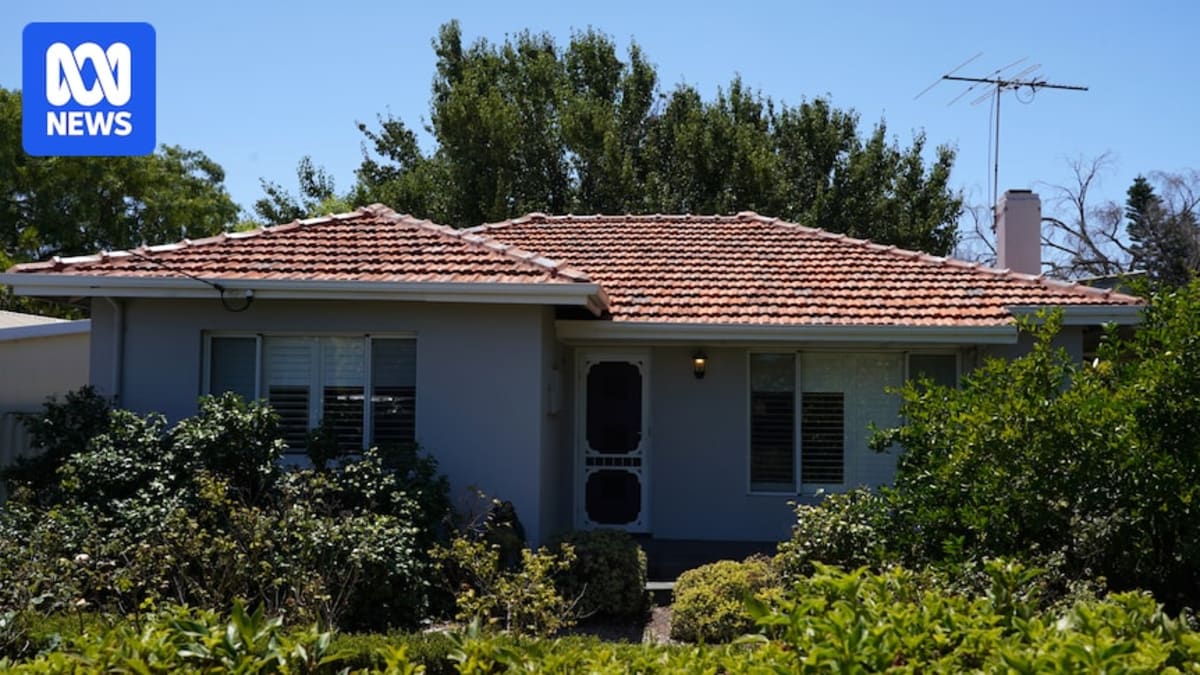
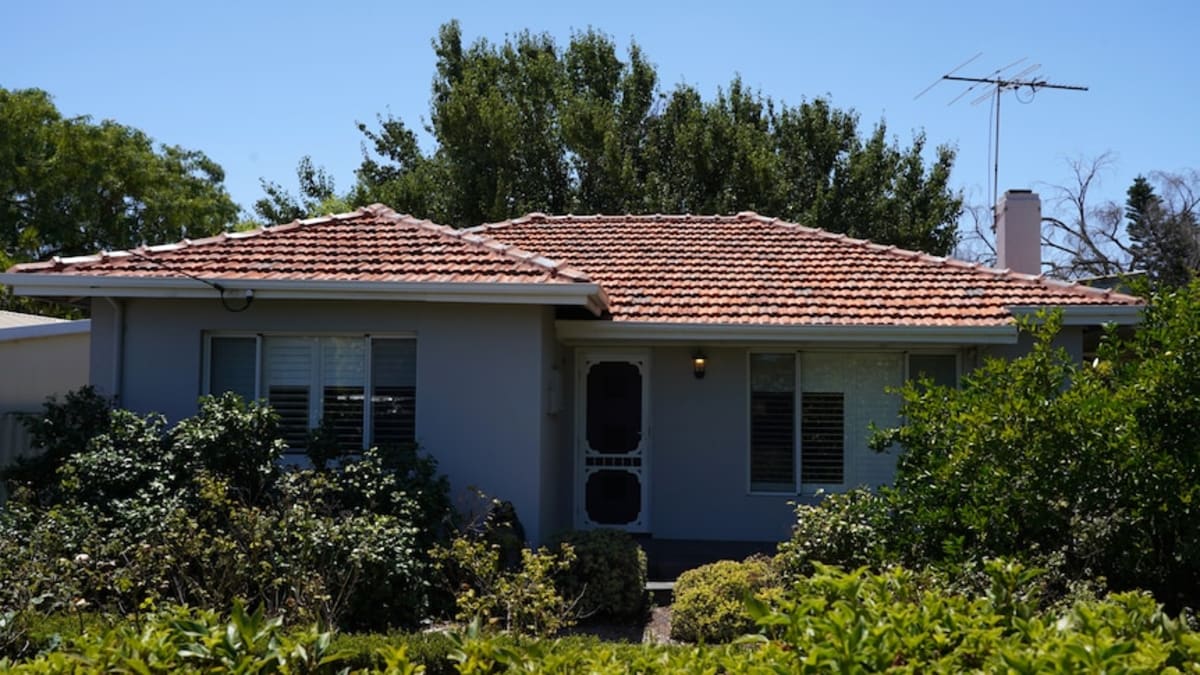
Scott Bradley's 1960s Perth home had all the charm of a classic Aussie house and all the problems too: sweltering summers, freezing winters, and energy bills that made him wince.
His brick and tile home earned just 2.6 stars out of 10 for energy efficiency. He's not alone. An estimated 70 percent of Australian homes were built before the country introduced minimum energy standards three decades ago, and most rate below three stars.
The federal government is tackling this massive challenge with a $32.7 million investment to extend the Nationwide House Energy Rating Scheme to older homes. The program trains assessors who provide homeowners with rating certificates and practical upgrade recommendations tailored to their specific house.
Assistant Minister for Climate Change and Energy Josh Wilson says even small improvements make a big difference. Boosting a home from three to five stars can slash heating and cooling energy needs by around 40 percent.
"You can't fix what you can't measure," Wilson explains. The program helps people understand their home's energy performance and get clear guidance on improvements that will cut costs, increase comfort, and reduce emissions.
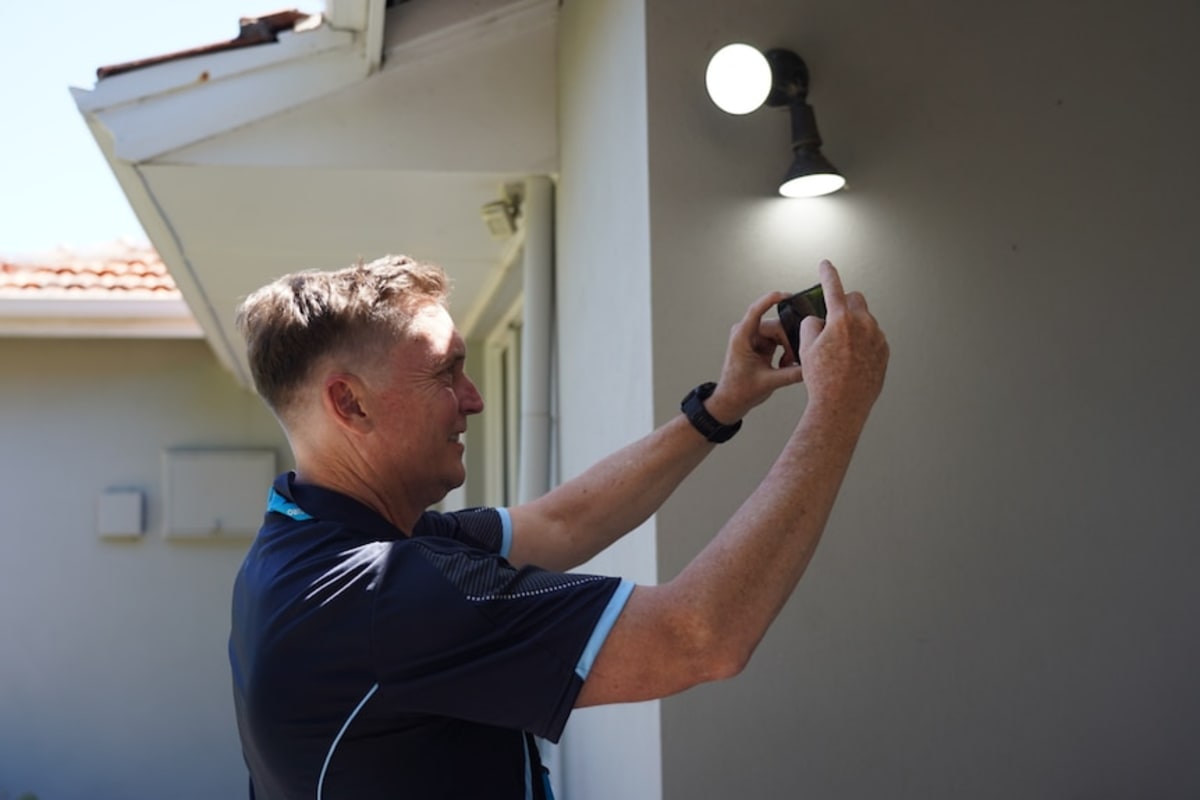
When assessor Kel Lupis evaluated Bradley's home, some solutions came with hefty price tags like solar panels and batteries. But others were surprisingly affordable or even DIY projects like switching to LED lights, sealing drafty floorboards and windows, and plugging bathroom exhaust fans.
"Some things come with a price tag, but not everything needs to cost a lot of money," Lupis notes. Adding ceiling insulation offers high impact at low cost, and draught-proofing is downright cheap.
The Ripple Effect
The program could eventually lead to mandatory energy rating disclosures when homes are sold or leased, similar to a recent New South Wales trial. Real estate expert Chiara Pacifici says research shows buyers will pay premium prices for high-rated homes.
"Currently people know more about the energy efficiency of their fridge and freezer than they do their own homes," she points out. Her advice? Ask real estate agents about energy performance before signing anything.
Perth homeowner Jason has already seen the transformation firsthand. He spent tens of thousands retrofitting his 1990s home with double-glazed windows, solar panels, and batteries, pushing his rating above seven stars.
"The biggest winner for us is comfort, and the other side to that is energy savings," Jason says. While a home energy assessment costs around $300 before any upgrades begin, Wilson believes the broad benefits justify the investment.
States and territories will ultimately decide whether to make energy efficiency ratings mandatory at sale or lease, but the groundwork is being laid for a future where every Australian home performs as well as their kitchen appliances.
More Images


Based on reporting by ABC Australia
This story was written by BrightWire based on verified news reports.
Spread the positivity!
Share this good news with someone who needs it