Australia Jails Reptile Smuggler for Record 8 Years
A Sydney man received Australia's longest-ever wildlife trafficking sentence for smuggling native lizards in popcorn bags and cookie tins. The crackdown shows authorities are getting serious about protecting Australia's unique reptiles, 90% of which exist nowhere else on Earth.
Australia just handed down a powerful message to wildlife traffickers: mess with our reptiles, and you'll pay the price.
Neil Simpson, 61, received eight years in prison for attempting to smuggle 101 native Australian reptiles to buyers in Hong Kong, Romania, South Korea, and Sri Lanka. It's the longest sentence ever given to a wildlife smuggler in Australia.
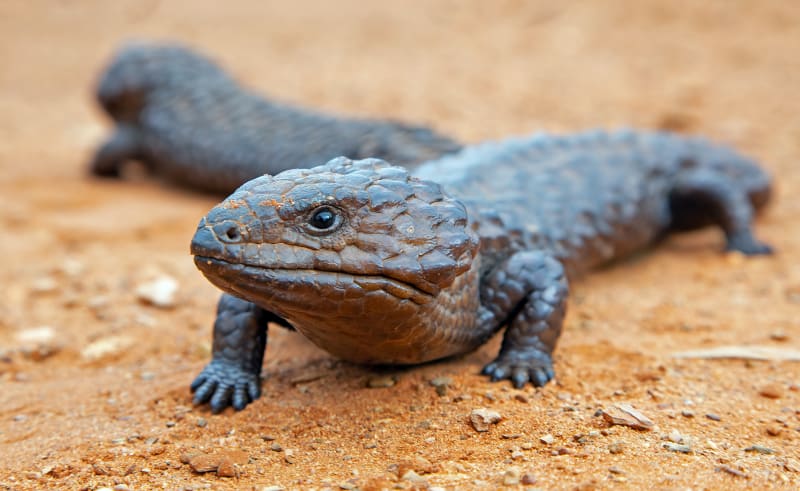
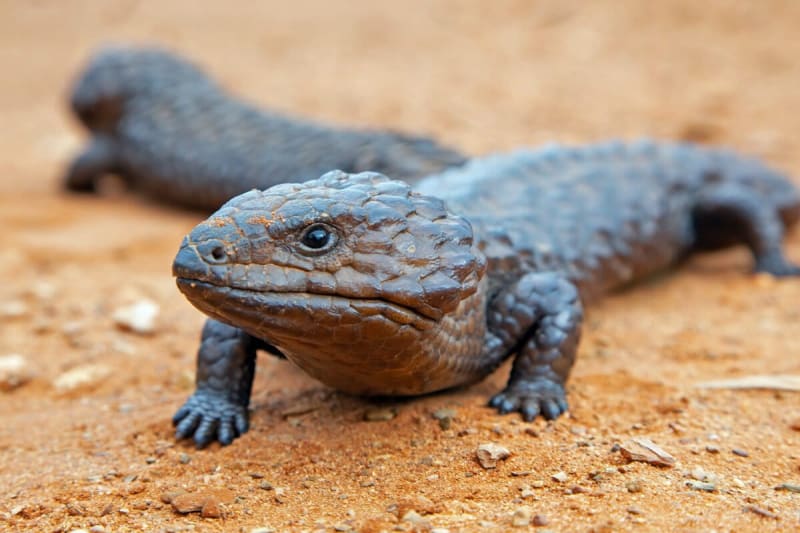
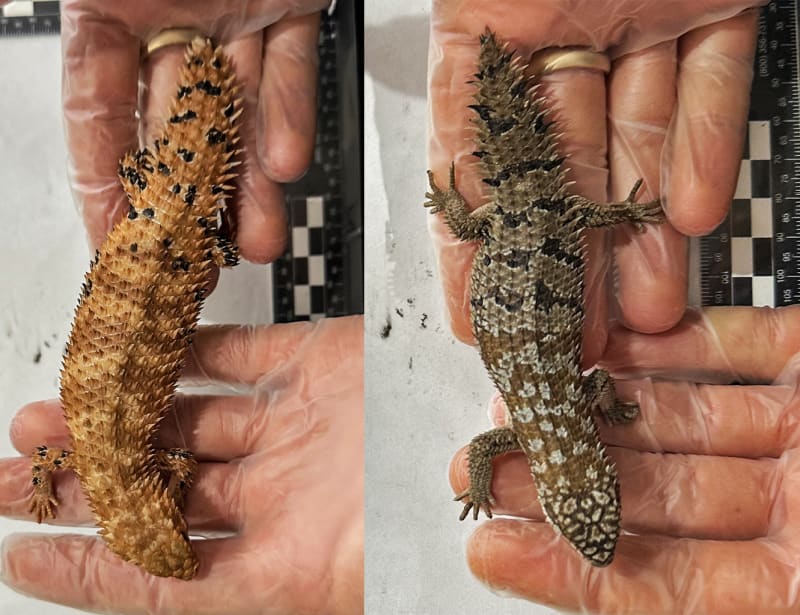
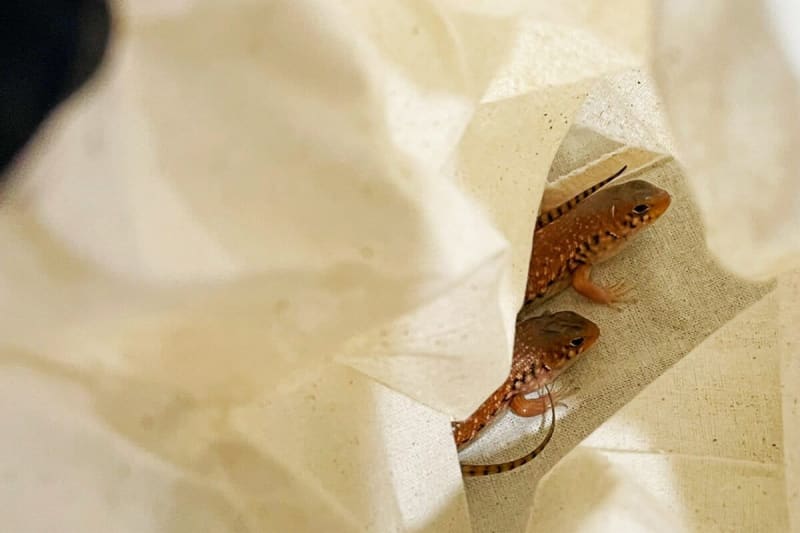
Investigators caught Simpson stuffing Western blue-tongued lizards, bearded dragons, and spiny-tailed skinks into popcorn bags, biscuit tins, and women's handbags. Between 2018 and 2023, authorities intercepted 15 packages he mailed internationally. When they searched his home, they found several hundred more reptiles.
Simpson didn't work alone. He recruited others to help mail the packages, and three additional people were convicted for their roles in the smuggling ring.
The crackdown is working. From mid-2023 to early 2025, wildlife trafficking arrests in Australia tripled. During that same period, authorities seized more than 200 parcels containing 780 native species at the border.
The Ripple Effect
This victory matters because Australia is home to 10% of the world's reptile species. An incredible 90% of those reptiles can't be found anywhere else on the planet.
While many of the smuggled species aren't technically endangered, they're legally protected. Australia has restricted native species exports for 30 years, requiring proper permits for any international trade.
The government is backing up the laws with action. Advanced scanning technology at airports and postal hubs now catches smuggled wildlife more effectively. Coordinated stings between federal agencies mean traffickers face real consequences.
Taronga Zoo, which cares for rescued animals, welcomed the record penalty. "We are so often on the front line caring for the animals that survive these attempts," a spokesperson told reporters. Many reptiles arrive taped up, confined in packaging, in very poor condition after traveling without food or water.
The maximum penalty for illegally exporting native wildlife is 10 years per offense. Simpson's sentence sends a clear warning to others considering similar crimes.
"Our native reptiles are not commodities to be trafficked for profit," a Department of Climate Change spokesperson said. "If you attempt to illegally export our native wildlife, your parcel will be intercepted, and our investigators will track you down."
Australia's reptiles already face threats from shrinking habitat and climate-driven heat and drought, so protecting them from trafficking becomes even more critical.
More Images

Based on reporting by Mongabay
This story was written by BrightWire based on verified news reports.
Spread the positivity!
Share this good news with someone who needs it