Australia Makes Clean Hydrogen From Seawater and Sunlight
Scientists in Australia have cracked a way to produce hydrogen fuel using only seawater, sunlight, and liquid gallium metal. The breakthrough could make clean energy cheaper and more accessible for coastal countries worldwide.
Imagine turning ocean water and sunlight into fuel that produces zero pollution. Scientists at the University of Sydney just made that happen in their lab, and it could reshape how the world powers everything from trucks to cities.
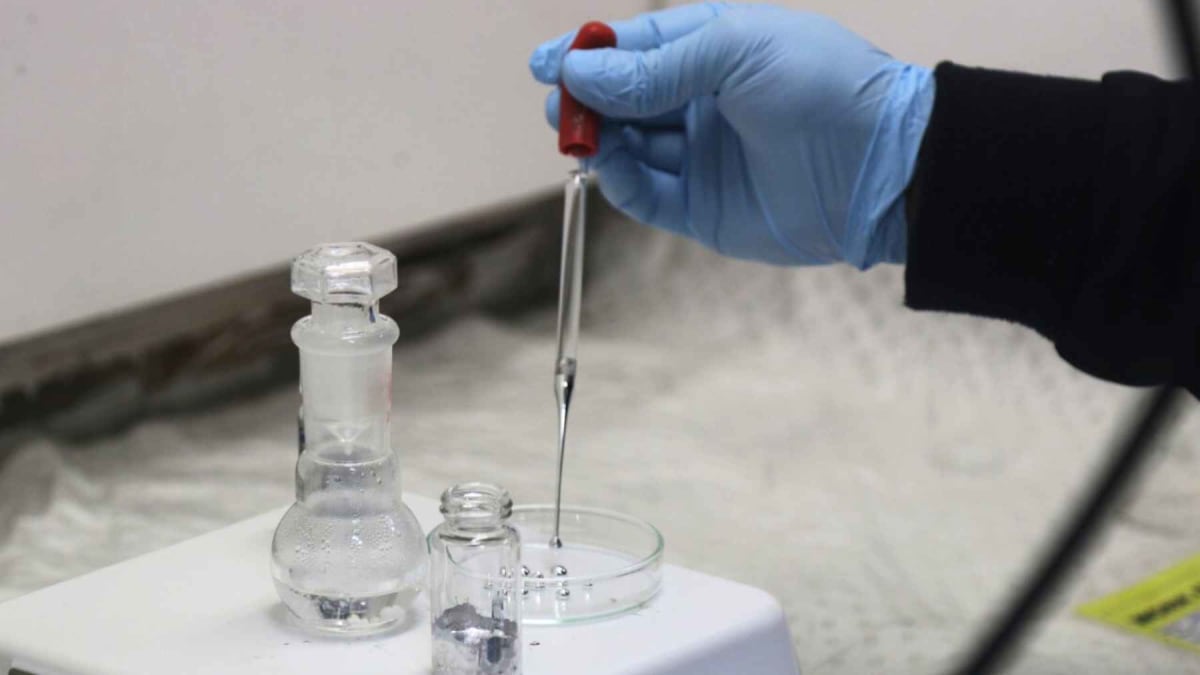
The team discovered that tiny droplets of gallium, a silvery metal that melts just above room temperature, can split water molecules and release hydrogen gas when exposed to light. The best part? It works with regular seawater, not just the expensive purified water that current hydrogen production requires.
Their system reached 12.9% efficiency in tests, meaning it converts nearly one eighth of the light energy into storable hydrogen fuel. That might sound modest, but it beats similar experimental setups and requires no electricity, no massive industrial equipment, and no freshwater supplies.
Here's how it works. Sunlight heats the liquid gallium droplets floating in water and activates their surfaces. The droplets react with surrounding water molecules, breaking them apart and freeing hydrogen gas. A thin coating forms on each droplet during the process, but the light disrupts it just enough to keep fresh metal exposed and the reaction rolling.
The gallium doesn't get used up either. Once the hydrogen is collected, researchers can convert the coating back into liquid metal and use it again. This circular approach cuts waste and could make scaling up much simpler than constantly buying new materials.
The Ripple Effect
Most green hydrogen today comes from splitting purified water with electricity from solar panels or wind turbines. That works fine in rainy regions with cheap renewable power, but it leaves dry coastal countries out in the cold. They have plenty of sunlight and seawater but not enough freshwater to spare for fuel production.
This new method flips that equation. Countries with long coastlines and sunny weather could produce hydrogen without competing with drinking water or farms. That opens the door for more nations to build their own clean energy industries instead of importing fuel.
Cheaper hydrogen could eventually power cargo ships, steel plants, and backup generators without adding carbon to the atmosphere. It could help cities store extra solar energy during summer and use it to keep homes warm in winter. For communities tired of choosing between energy and clean air, this kind of technology offers a way forward.
The team is now working on a bigger reactor to test how the system handles real ocean water with salt, minerals, and tiny organisms. They also need to confirm the gallium cycles stay stable over months of use and calculate whether the economics make sense at commercial scale.
If those tests go well, Australia could move closer to its goal of becoming a major green hydrogen exporter in the coming decades.
More Images




Based on reporting by Google News - Renewable Energy Breakthrough
This story was written by BrightWire based on verified news reports.
Spread the positivity!
Share this good news with someone who needs it