Australia Plans 2 GW Battery Fleet to Stabilize Power Grid
Australia's New South Wales is moving forward with nine massive battery projects that will keep the power grid stable as the state transitions to renewable energy. The innovative approach lets the grid operator tap into privately owned batteries instead of building expensive new infrastructure.
As coal plants retire across Australia, a clever solution is stepping in to keep the lights on and the grid running smoothly.
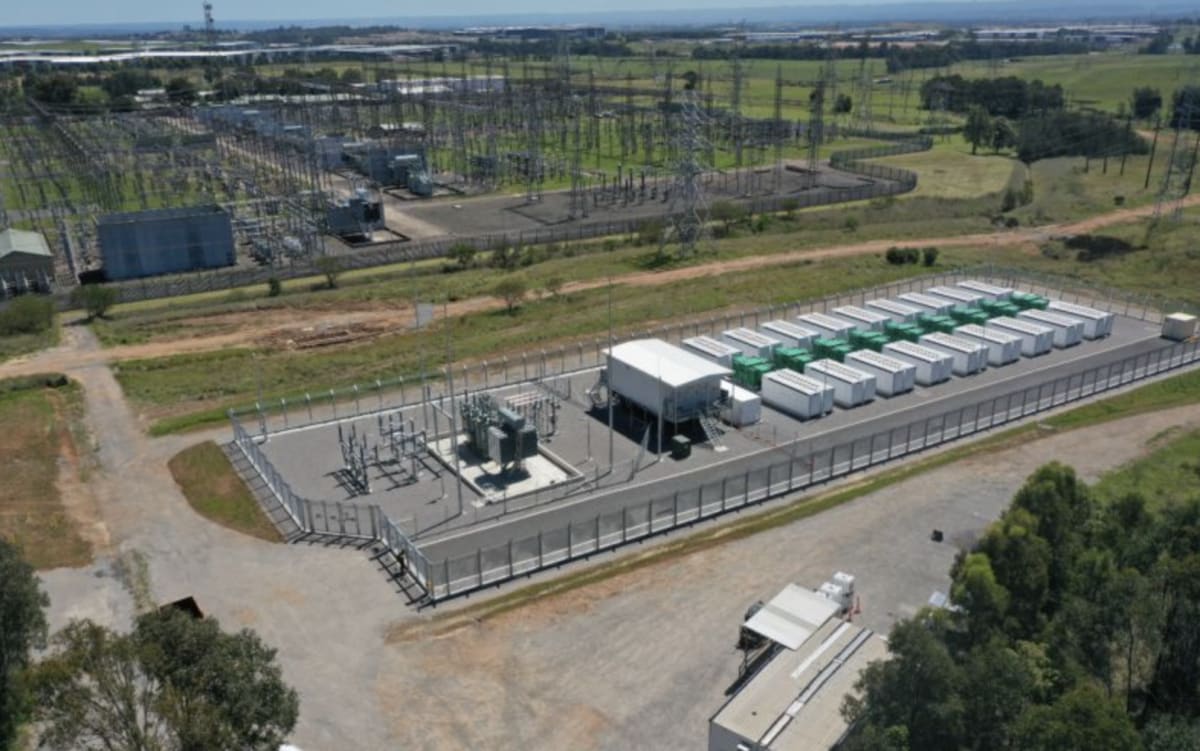
Transgrid, the company managing New South Wales' electricity network, just shortlisted nine battery energy storage projects totaling 2 gigawatts of power. These aren't ordinary backup batteries. They're specially configured in "grid-forming mode" to provide the same stabilizing heartbeat that coal-fired generators once delivered to the power system.
The approach is as economical as it is innovative. Instead of spending billions on new infrastructure, Transgrid is contracting with private developers who already own or are building these batteries.
"Third-party owned batteries are integral to our system strength plan, because they enable us to accelerate the strengthening of the grid without the cost associated with acquiring new plant or major network upgrades," said Jason Krstanoski, Transgrid's Executive General Manager.
The first batteries should start operating in the second half of 2026. Transgrid chose projects already built or in advanced development at strategic locations across the network where stability gaps are emerging.
The company is taking a two-pronged approach. These grid-forming batteries will provide up to half the solution, while synchronous condensers handle the rest. Think of condensers as large spinning machines that provide instant power stability, mimicking what coal plants once did.
The Ripple Effect
This battery fleet represents just the beginning of NSW's grid transformation. By 2033, Transgrid aims to secure 5 gigawatts of stabilizing services from privately owned batteries. That's enough capacity to power millions of homes while maintaining the grid's reliability.
The competitive bidding process among nine projects ensures taxpayers and ratepayers get the best value. More procurement rounds are planned for 2026 and beyond, opening opportunities for additional battery developers to join the effort.
This strategy could become a blueprint for other regions facing the same challenge of retiring fossil fuel plants while maintaining grid stability. NSW is proving the transition to renewable energy doesn't mean sacrificing reliability.
The batteries will work behind the scenes, invisible to most residents, but essential to keeping power flowing smoothly as Australia builds its clean energy future.
More Images
Based on reporting by PV Magazine
This story was written by BrightWire based on verified news reports.
Spread the positivity!
Share this good news with someone who needs it