Australia Plans Factory-Built Homes to Solve Housing Crisis
Australia could solve its housing shortage and rebuild its manufacturing sector at the same time with a bold new strategy focused on factory-built homes. A new report shows how modular housing could make homes more affordable while creating thousands of new jobs.
Australia just unveiled a plan that could fix two major problems with one innovative solution.
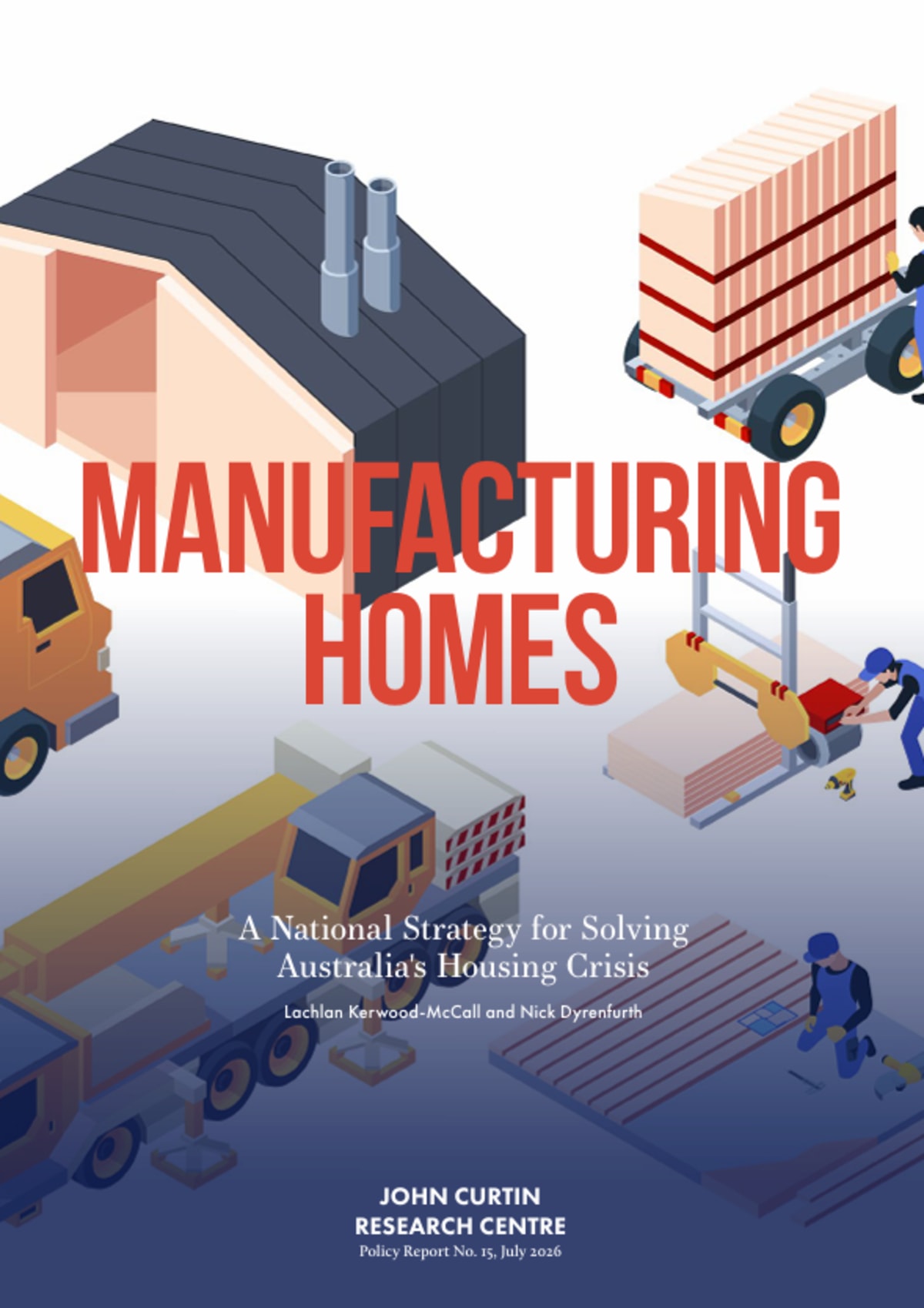
A new report released at Labor's National Conference shows how factory-built homes could tackle the country's housing crisis while bringing manufacturing jobs back to Australia. Housing Minister Clare O'Neil launched the ambitious strategy that aims to transform how Australians build their homes.
Right now, only 5 to 8 percent of Australian construction uses modular or factory-built methods. Countries like Sweden, Germany, and Japan rely on these methods far more, building homes faster and cheaper.
The report from the John Curtin Research Centre points out something surprising. Australia handled much higher immigration in the 1950s and 1960s without a housing crisis because the country used prefabricated homes and built more efficiently.
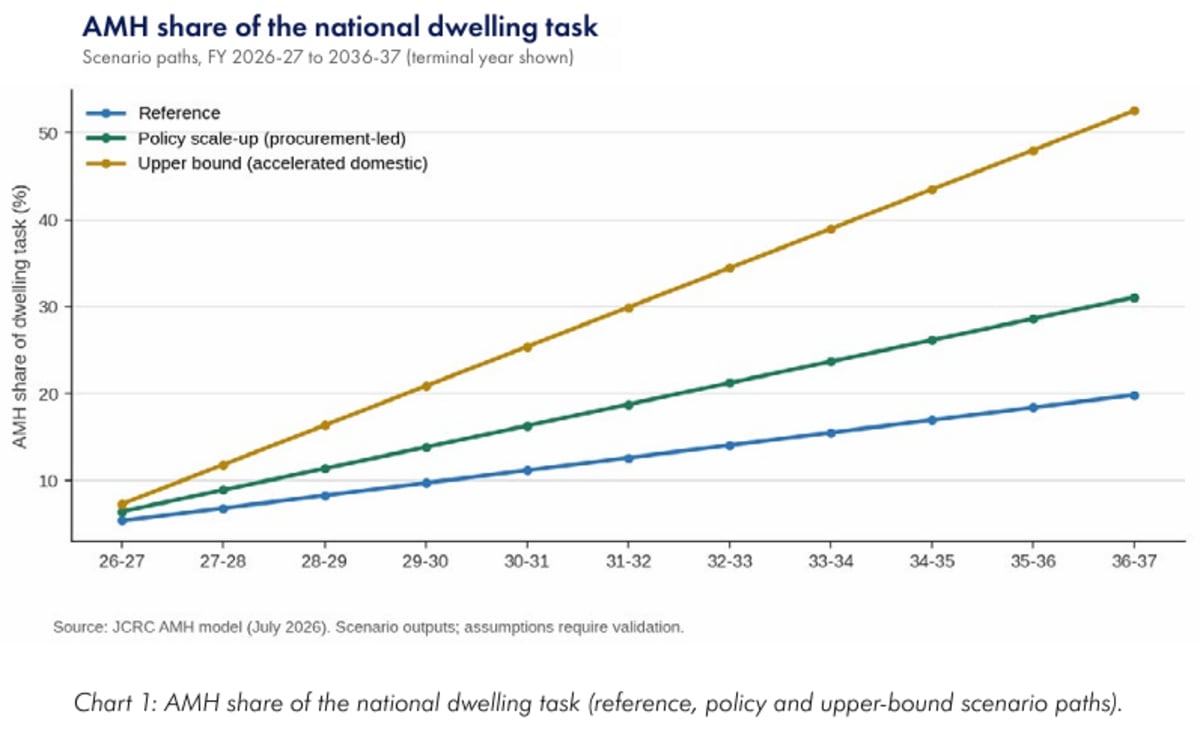
The new strategy sets a target of 35 percent factory-built homes by 2036, with a long-term goal of 50 percent. That would make modular housing a mainstream option across Australia.
Here's why this matters beyond just housing. Australia has become the least manufacturing self-sufficient country in the developed world. The decline of industries like automotive manufacturing removed the skills and systems that now support modern housing factories in other countries.
The Ripple Effect
Factory-built homes get cheaper the more you make, unlike traditional construction where building more often costs more. That means government investment in modular housing actually lowers prices for private buyers instead of pushing them up.
The strategy would tap into Australia's existing timber plantations and wood processing industries, creating a supply chain that doesn't depend heavily on imports. This protects against the supply chain disruptions that caused headaches during the pandemic.
The plan calls for government collaboration with industry and finance to help modular construction move from early adoption to full scale production. Social housing programs would use factory-built homes, driving down costs through volume while meeting urgent housing needs.
The report argues this represents a once-in-a-generation opportunity to reverse decades of factory closures and job losses. Instead of just importing solutions, Australia could build its own advanced manufacturing sector around something every family needs: affordable homes.
Reindustrialisation is ultimately a choice about the kind of country Australia wants to be, and factory-built homes offer a path forward that creates both shelter and opportunity.
More Images

Based on reporting by ABC Australia
This story was written by BrightWire based on verified news reports.
Spread the positivity!
Share this good news with someone who needs it

