Australia Removes Barriers to Indigenous Fire Practices
New South Wales just launched its first Cultural Fire Strategy to remove red tape blocking Aboriginal communities from using ancient burning practices that protect forests and prevent catastrophic wildfires. After years of devastating bushfires, the government is finally clearing the path for Indigenous knowledge to heal the land.
Australia is betting on ancient wisdom to fight modern wildfires, and it's about time.
The New South Wales government just released its first Cultural Fire Strategy, a plan to eliminate the regulations and red tape that have prevented Aboriginal communities from using traditional burning practices across the state. These gentle, controlled burns have protected Australian forests for thousands of years.
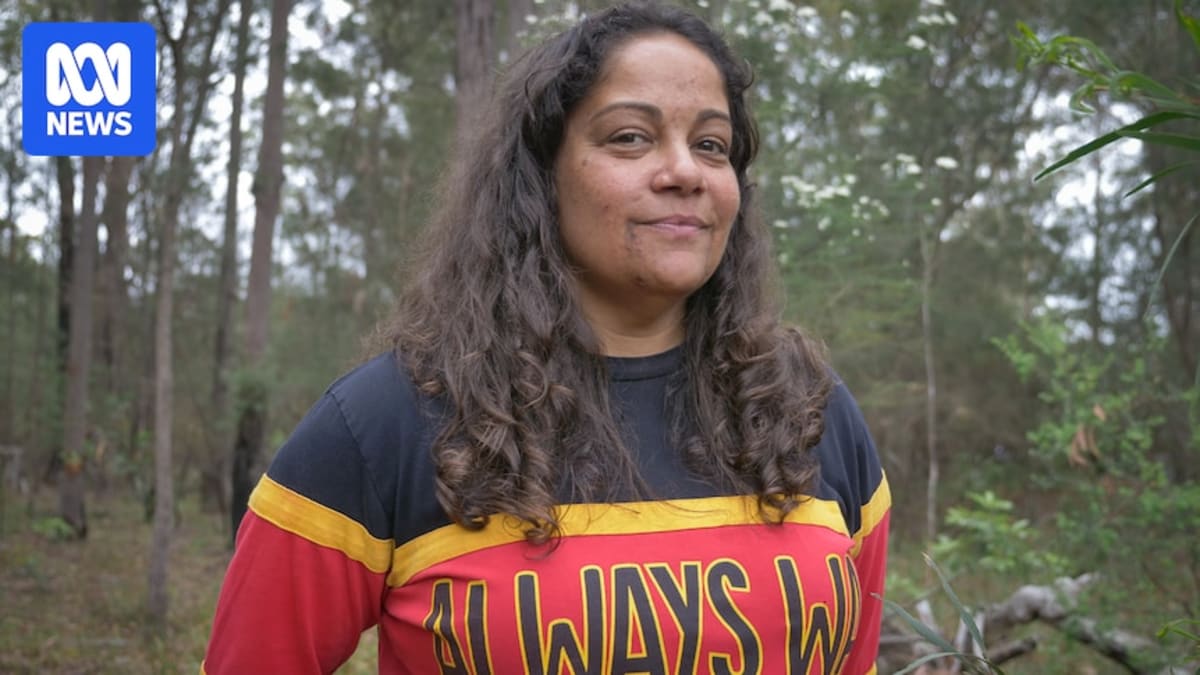
Dan Morgan, a Southern Yuin cultural fire practitioner, demonstrates how it works. He guides a knee-high flame through bushfire-scarred forest on the state's far south coast, carefully thinning out dense wattle that's grown back since the devastating 2023 Coolagolite bushfire destroyed homes and scorched thousands of hectares.
"After the bushfires that we've been getting, you need a little fire like this to protect the biodiversity of the landscape," Morgan explains. The small fire removes dangerous fuel loads without harming soil or native grasses, preventing the explosive conditions that lead to uncontrollable infernos.
Property owner David Dixon watches and learns. The 2023 bushfire destroyed his home, but he's committed to using cultural burns to protect what's been rebuilt.
Here's the problem the strategy solves: current environmental laws ban burning on public land that's already burned within the last seven years without a lengthy review process. It's a regulation designed to protect vegetation, but it actually creates the conditions for catastrophic fires by allowing dangerous fuel loads to build up.
The Ripple Effect
The strategy addresses multiple barriers that have blocked cultural burning for decades. Prohibitive insurance costs kept practitioners from accessing land. Insecure funding meant Aboriginal communities couldn't plan long-term fire management. Complex approval processes turned weeks of work into months of paperwork.
Now the government commits to fixing these problems within two to three years. They're reviewing burn interval requirements by 2028, streamlining environmental approvals, and developing grants so Aboriginal communities can monitor and evaluate their work.
Dr. Vanessa Cavanagh, a Bundjalung and Wonnarua woman with expertise in cultural burning, says the strategy brings together multiple government agencies for the first time. "I really hope that this strategy gives Aboriginal communities positive momentum to activate their cultural fire activities," she said.
Oliver Costello, a Bundjalung cultural fire practitioner, points out what's really at stake. Western fire policy views all fire as a threat, but that misses the deeper knowledge. "The regulations don't really understand our cultural knowledge around the kinship of species, and the ability to use fire to regenerate and suppress different species," he explains.
The strategy was developed in response to the 2020 NSW Bushfire Inquiry, which recommended increased use of Aboriginal land management practices. After the catastrophic 2019-20 fire season, the government finally acknowledged what Indigenous Australians have known forever: you need good fire to prevent bad fire.
Australia is giving 60,000 years of fire management expertise the respect it deserves.
More Images


Based on reporting by ABC Australia
This story was written by BrightWire based on verified news reports.
Spread the positivity!
Share this good news with someone who needs it