Australia Stops 100,000 Exotic Roaches From Harming Wildlife
Australian authorities just made their largest-ever invertebrate bust, seizing 100,000 exotic cockroaches from an illegal breeder. The crackdown protects native wildlife from invasive species while highlighting a growing but overlooked threat in the exotic pet trade.
Australia just stopped what could have been an ecological disaster hiding in plain sight.
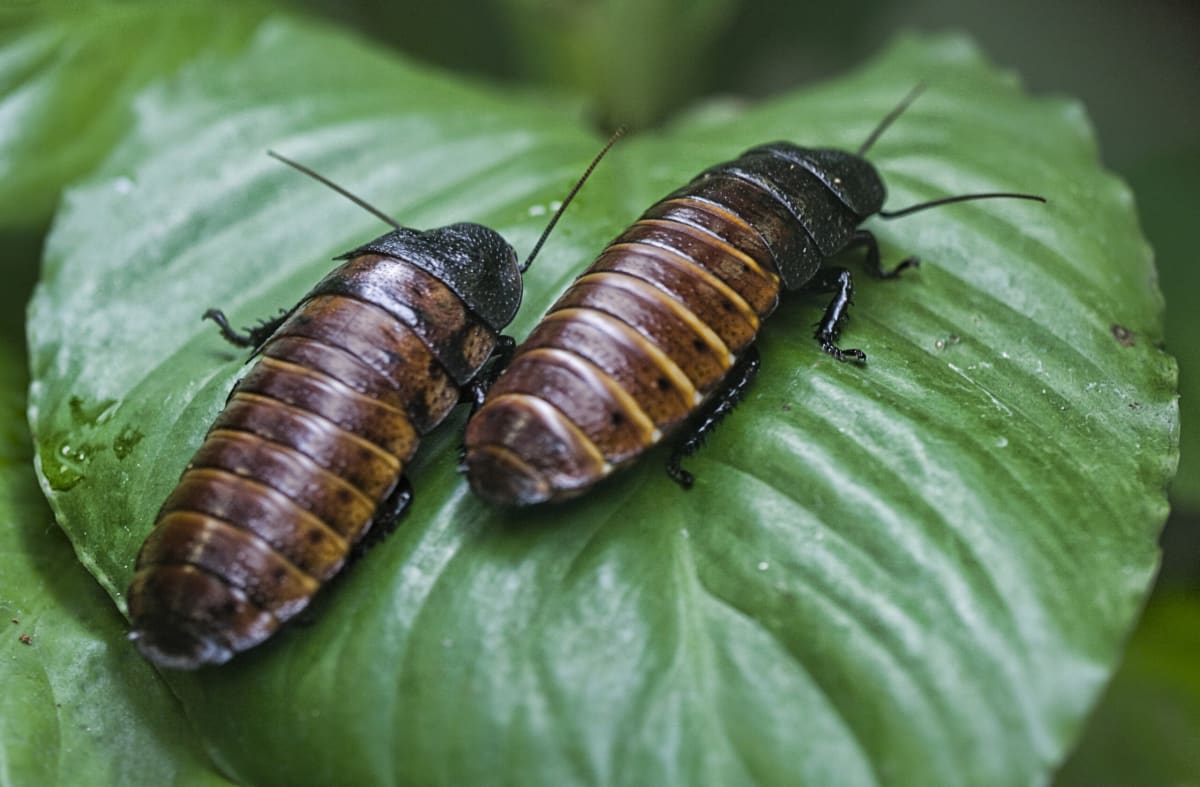
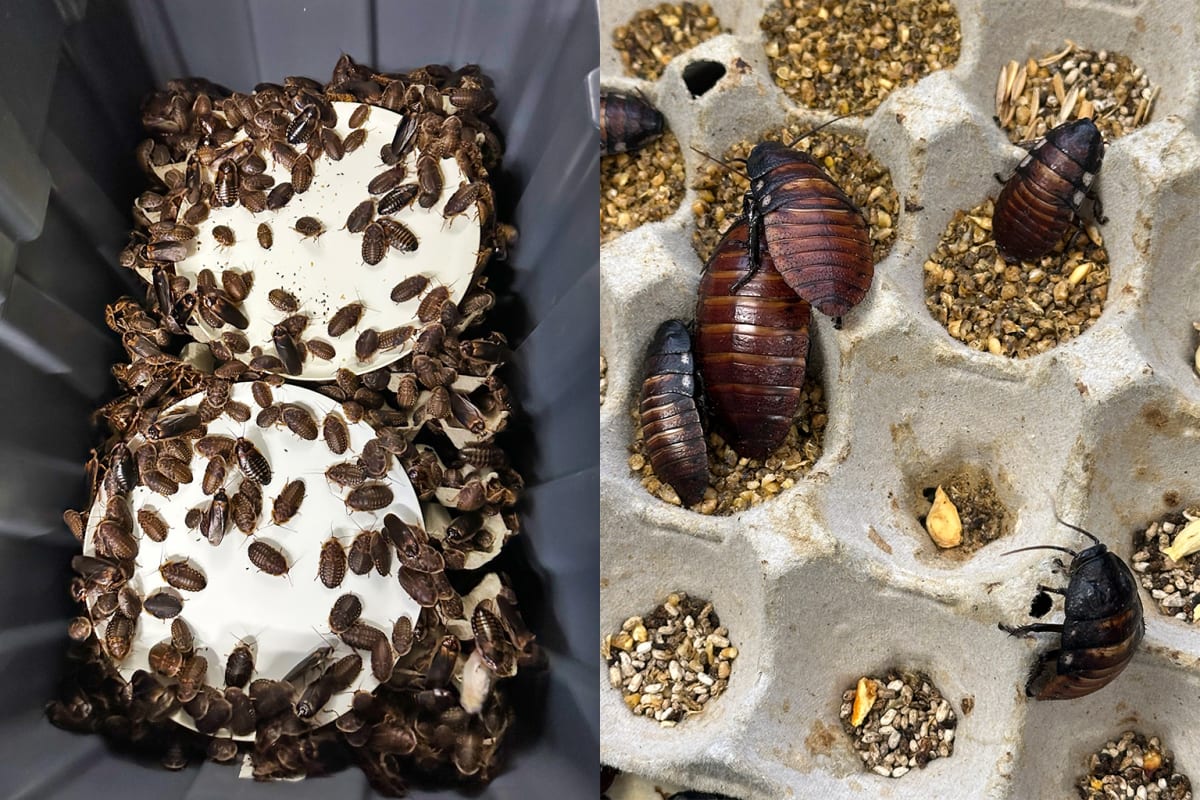
In early June, environmental officers seized more than 100,000 live exotic cockroaches from a commercial breeder in Bathurst, New South Wales. It's the largest illegal invertebrate bust in Australian history, valued at $140,000.
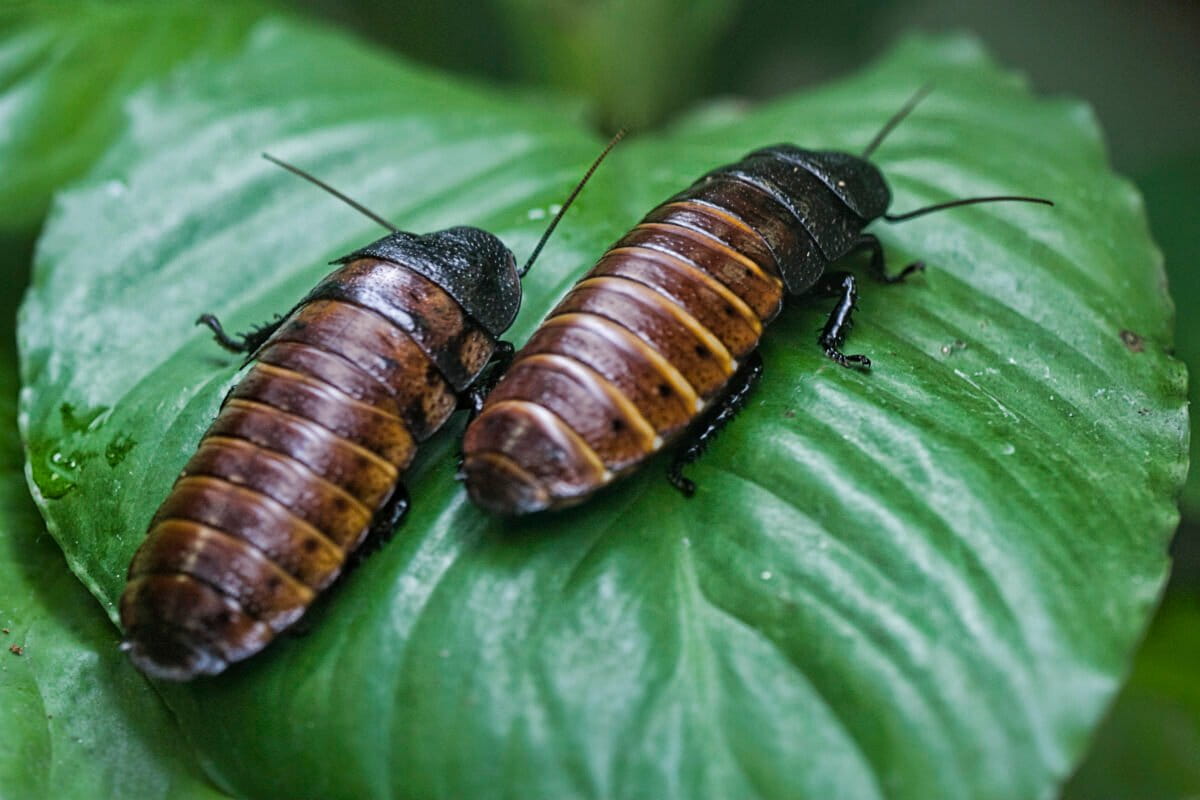
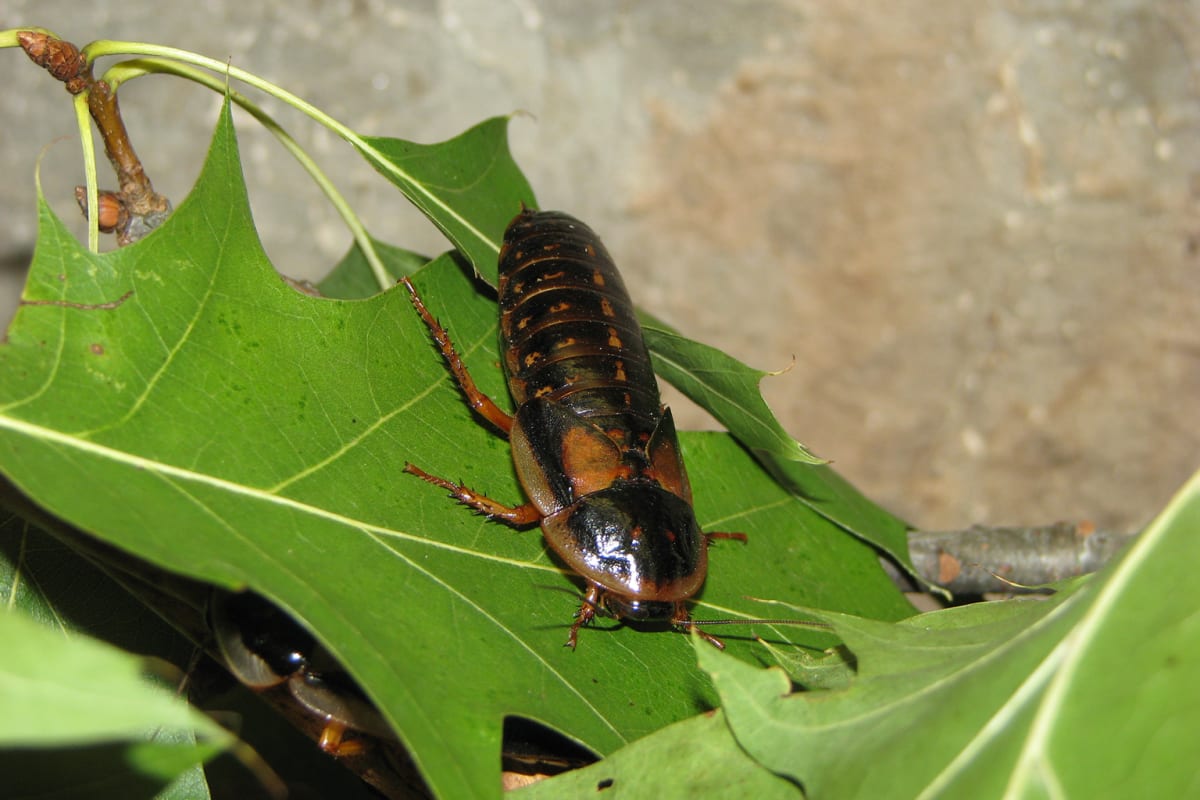
The confiscated insects included Madagascar hissing cockroaches and dubia roaches from South America. Both species are popular as pet reptile food and sometimes kept as pets themselves because they don't fly away.
But here's why this matters. Australia has some of the strictest biosecurity laws in the world for good reason.
The country is already spending millions fighting invasive species that threaten native wildlife. Exotic cockroaches can escape easily, spread diseases, and carry parasites that harm native ecosystems.
"Australia is already spending millions trying to eradicate non-native species that are destroying its wild places and have already caused so many extinctions," said wildlife trade researcher Chris Shepherd from the Center for Biological Diversity. "This is the last thing they need."
The seizure reveals a much bigger problem. More than 4,000 invertebrate species are now bought and sold worldwide, driven largely by booming demand for pet reptiles.
One in three reptile species globally are for sale as pets. Many eat live insects, creating a massive market that's mostly unregulated and poorly monitored.
Alice Hughes from the University of Melbourne studies wildlife trade. She warns that invertebrates are masters at escaping captivity and can threaten biodiversity in ways we consistently underestimate.
The Bright Side
The crackdown shows authorities are finally taking the invertebrate trade seriously. Federal officials put pet businesses and reptile owners on notice that possessing, breeding, or trading exotic cockroaches will result in seizures and penalties.
They're urging reptile owners to switch to legal alternatives like crickets and native wood roaches. These options feed pets without risking ecological harm.
Recent ant trafficking busts in Kenya and now this massive cockroach seizure are waking up conservation officials worldwide. Countries are beginning to close loopholes that let potentially invasive species slip through borders disguised as harmless pet food.
Australia's decisive action protects its unique ecosystems while setting an example for other nations facing similar threats.
Sometimes the smallest creatures pose the biggest risks, and catching them early makes all the difference.
More Images

Based on reporting by Mongabay
This story was written by BrightWire based on verified news reports.
Spread the positivity!
Share this good news with someone who needs it