Australia Takes Bold Steps to Protect Against Hantavirus
Six Australians will soon fly home from a cruise ship outbreak that claimed three lives, quarantining for three weeks in a specialized facility built to prevent future pandemics. While the virus rarely spreads between people, Australia's health response shows how lessons from COVID are helping nations respond faster and smarter to emerging threats.
When a luxury Antarctic cruise turned into a health emergency, Australia didn't hesitate to bring its citizens home safely.
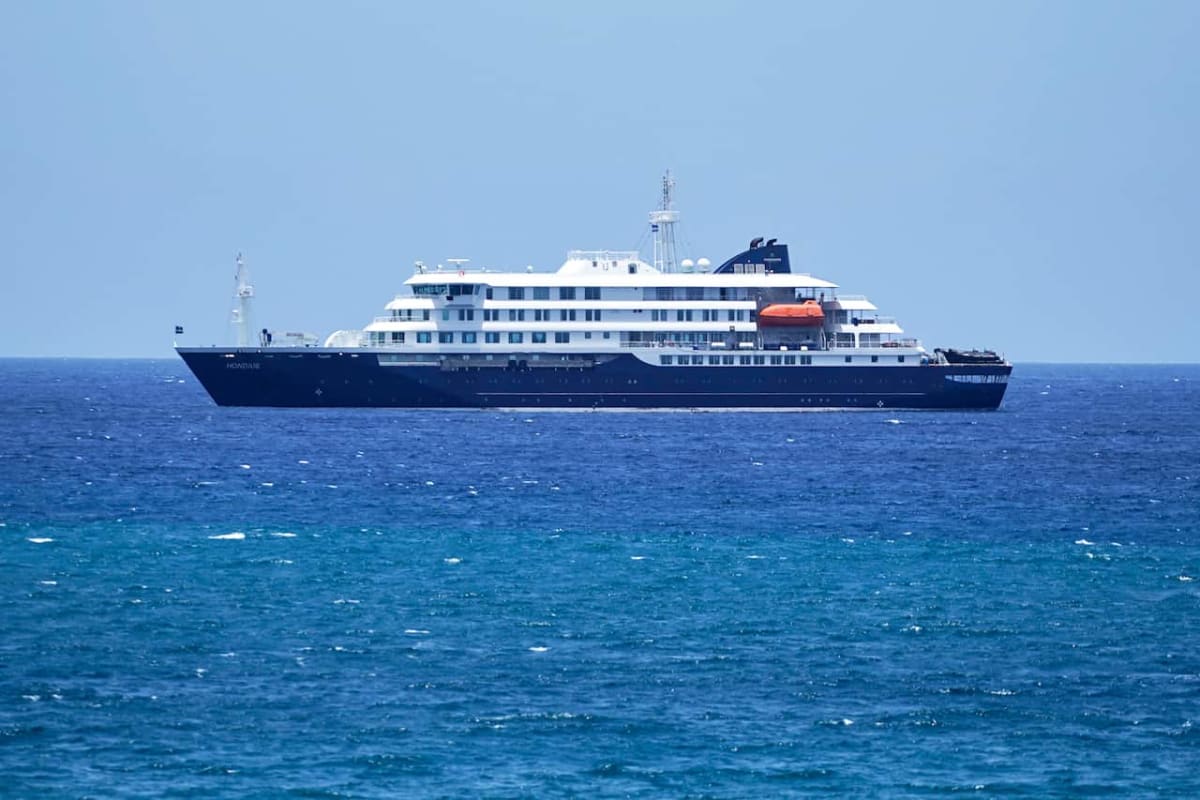
Six Australians are flying back from the Canary Islands this week after a hantavirus outbreak on the MV Hondius cruise ship. They'll spend three weeks in isolation at the Bullsbrook Centre for National Resilience near Perth, a state-of-the-art biosecurity facility built in 2022 with over 500 beds.
Health Minister Mark Butler says Australia's three-week quarantine plan is among the strongest responses worldwide. Most countries are only requiring two or three days of monitoring, but Australia is taking extra precautions given the long flight home and the virus's 42-day incubation period.
Medical staff will accompany passengers on the government charter flight. None of the Australians show symptoms, and they'll receive daily health checks throughout their isolation.
The outbreak on the Antarctic voyage tragically killed three passengers and sickened five others. Nearly 150 people from 23 countries were aboard when the ship docked in Tenerife, where passengers began disembarking Sunday wearing protective gear.
Hantavirus typically spreads when people breathe in contaminated rodent droppings, not between humans. However, the Andes strain detected on the ship can occasionally pass from person to person, making careful monitoring essential.
Why This Inspires
This story shows how pandemic preparedness isn't just about fighting the last war. Australia invested in three biosecurity facilities in 2022, creating infrastructure that can protect citizens from various health threats, not just COVID.
Countries are working together seamlessly to get passengers home safely. France is hospitalizing its citizens for 72 hours before home quarantine, while Spain flew passengers to a military hospital in Madrid. Even remote Tristan da Cunha received help when British Army medics parachuted in with supplies for a suspected case.
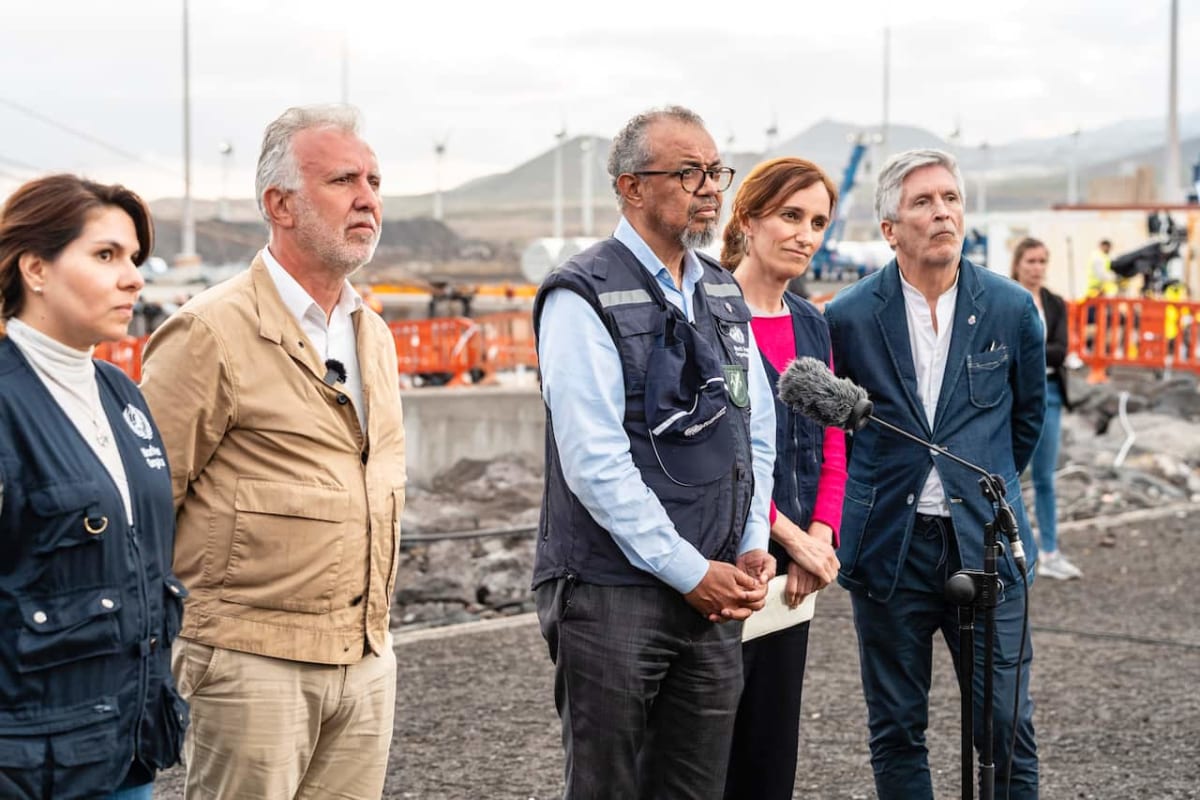
The World Health Organization's Maria Van Kerkhove emphasized that nations are taking a "cautionary approach" while reassuring the public this isn't another pandemic. WHO chief Tedros Adhanom Ghebreyesus told nervous Canary Islands residents the risk remains low and there's no reason to panic.
These coordinated efforts reflect hard-won lessons about responding quickly while keeping people informed and calm. The infrastructure, expertise, and international cooperation built during COVID are now protecting travelers facing an entirely different threat.
The Australians waiting in Tenerife represent the final group leaving the ship, but they're heading toward safety with medical support every step of the way.
More Images

Based on reporting by SBS Australia
This story was written by BrightWire based on verified news reports.
Spread the positivity!
Share this good news with someone who needs it