Australia Tests AI to Supercharge Home Solar Batteries
Australian researchers are partnering with a major solar installer to use artificial intelligence to make home batteries work together like a power plant. The technology could lower energy bills while making the grid more reliable.
Imagine if every home solar battery in your neighborhood could work together to power your community more efficiently and save everyone money.
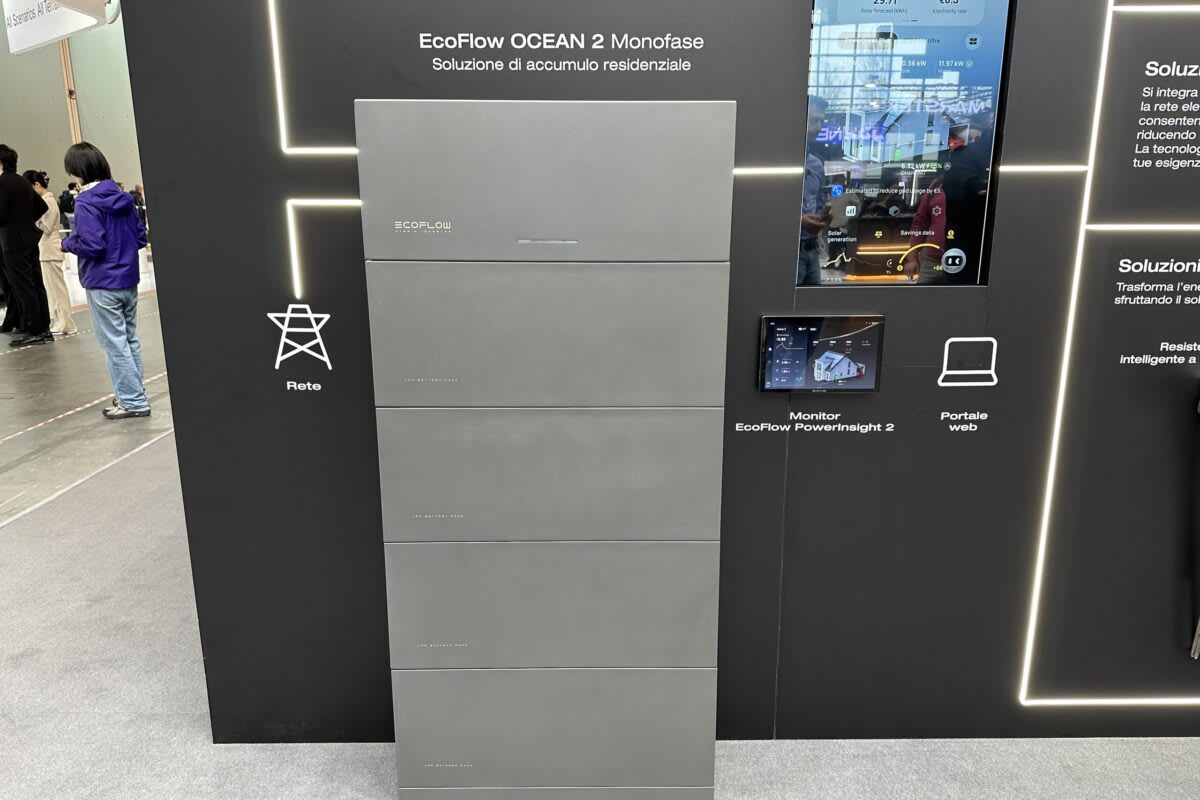
That's exactly what researchers at the University of New South Wales are building with Sydney installer Aussie Solar Batteries Group. They're developing AI systems that can coordinate thousands of home batteries to act as virtual power plants, storing energy when it's abundant and releasing it when the grid needs help.
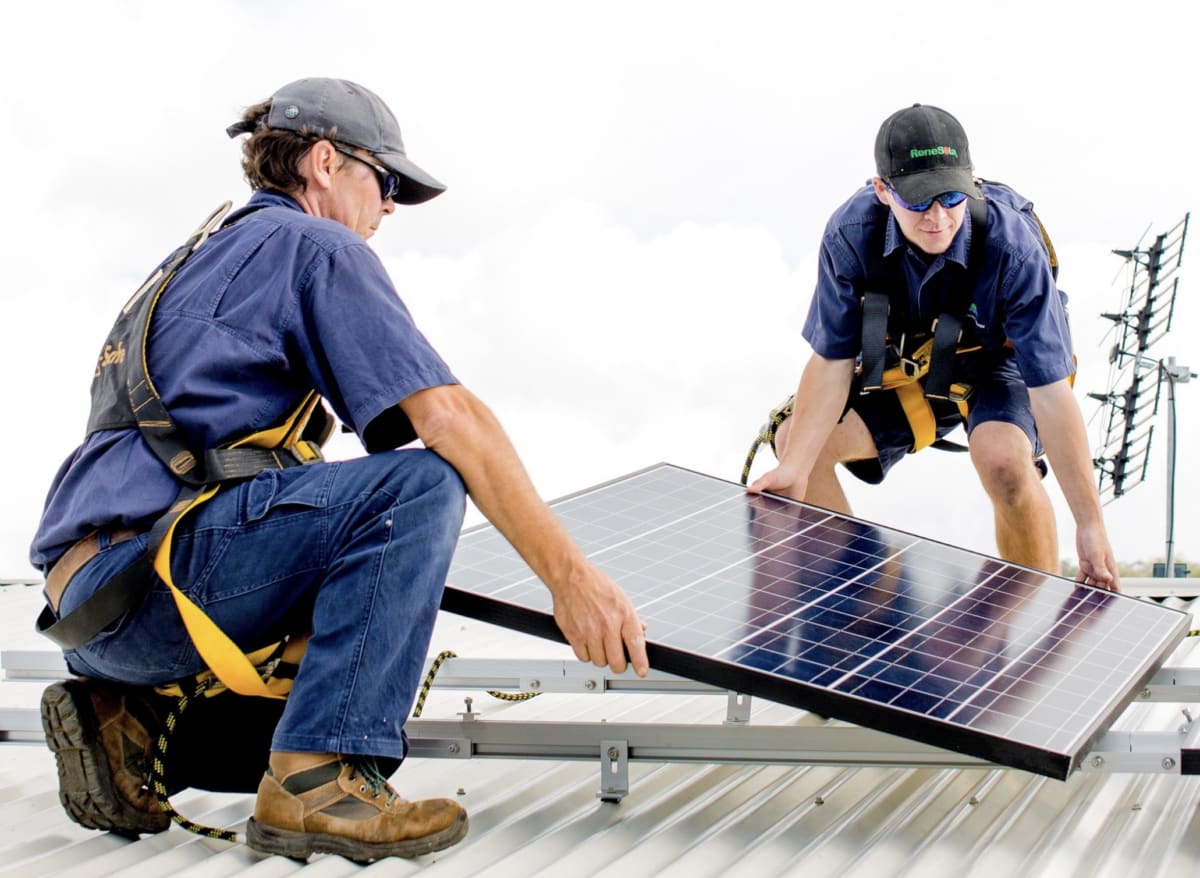
The partnership brings together university scientists and a company that installs systems in real homes and businesses across Australia. That means the AI gets tested under actual conditions, not just in a lab.
The technology uses forecasting tools and smart algorithms to predict when homes will need power and when they can share it back to the grid. Digital twins, virtual copies of real energy systems, help the AI learn how to make better decisions over time.
"This collaboration allows us to take world-class research out of the lab and apply it directly in real homes and businesses," said Steven Yu, CEO of Aussie Solar Batteries. By combining university expertise with large-scale deployment, they can roll out smarter solar and battery networks faster.
The project runs through the end of 2026 as part of the Australian government's Trailblazer for Recycling and Clean Energy initiative. The program fast-tracks clean energy technologies from research to real-world use while keeping the benefits inside Australia.
The Ripple Effect
When individual batteries start working as a team, the benefits multiply beyond any single home. Virtual power plants can help stabilize the entire grid during peak demand, reducing the need for expensive backup generators. Lower grid costs mean lower energy bills for everyone, not just people with solar panels.
The technology also makes renewable energy more practical by solving one of solar power's biggest challenges: storing energy when the sun isn't shining. As more homes install batteries, the coordinated network becomes even more powerful and resilient.
Yu believes this represents the future of how we'll use energy. "It is about time our energy solutions have the capability and intelligence to respond and calibrate to the lifestyle and power needs of households and businesses to ensure we are achieving sensible consumption and the lowest costs possible," he said.
Smart batteries that learn and adapt could transform how entire communities power themselves.
More Images
Based on reporting by PV Magazine
This story was written by BrightWire based on verified news reports.
Spread the positivity!
Share this good news with someone who needs it