Australia Unites to Save Thousands After Cyclone Narelle
When Cyclone Narelle devastated northern Australia in 2026, volunteers transformed homes into wildlife hospitals and rescued thousands of animals across three states. The response revealed something remarkable: one in ten residents of hard-hit Exmouth later signed up for wildlife rescue training.
When Cyclone Narelle tore through northern Australia earlier this year, one wildlife rehabilitator in Western Australia turned her entire home into an emergency animal hospital. Across three states, hundreds of volunteers mobilized to save thousands of orphaned joeys, stranded seabirds, and dying flying fox pups.
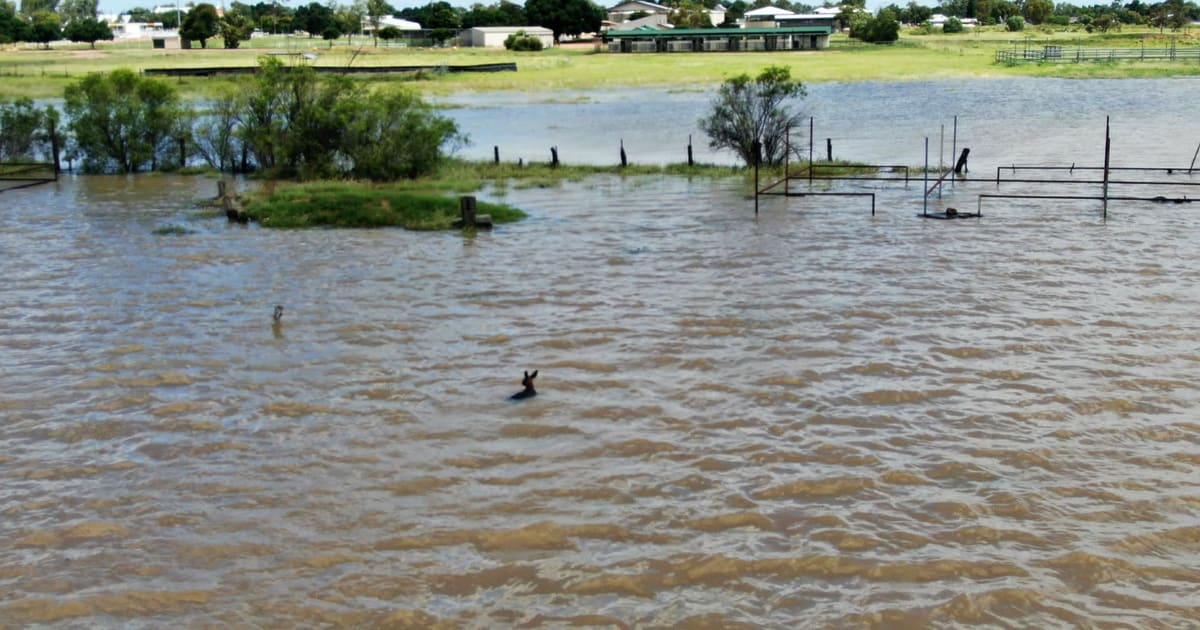
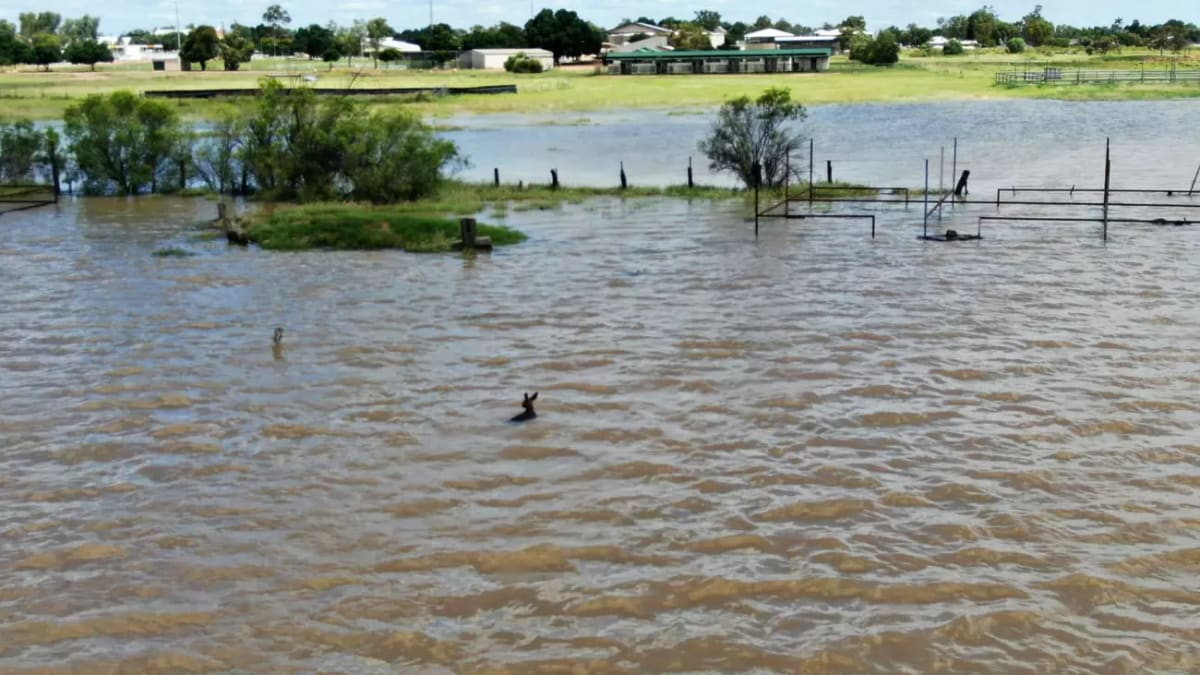
The disaster unfolded differently in each region, but the response united communities in unexpected ways. In Queensland, record floods had already overwhelmed wildlife rescue networks before the cyclone even arrived, forcing carers to transport orphaned kangaroos and wallabies hundreds of kilometers to find available help.
One partner organization alone ended up caring for more than 100 orphaned joeys. Working with the International Fund for Animal Welfare, volunteers reinforced outdoor enclosures and secured equipment as storm warnings intensified, preparing to receive even more animals once Narelle hit.
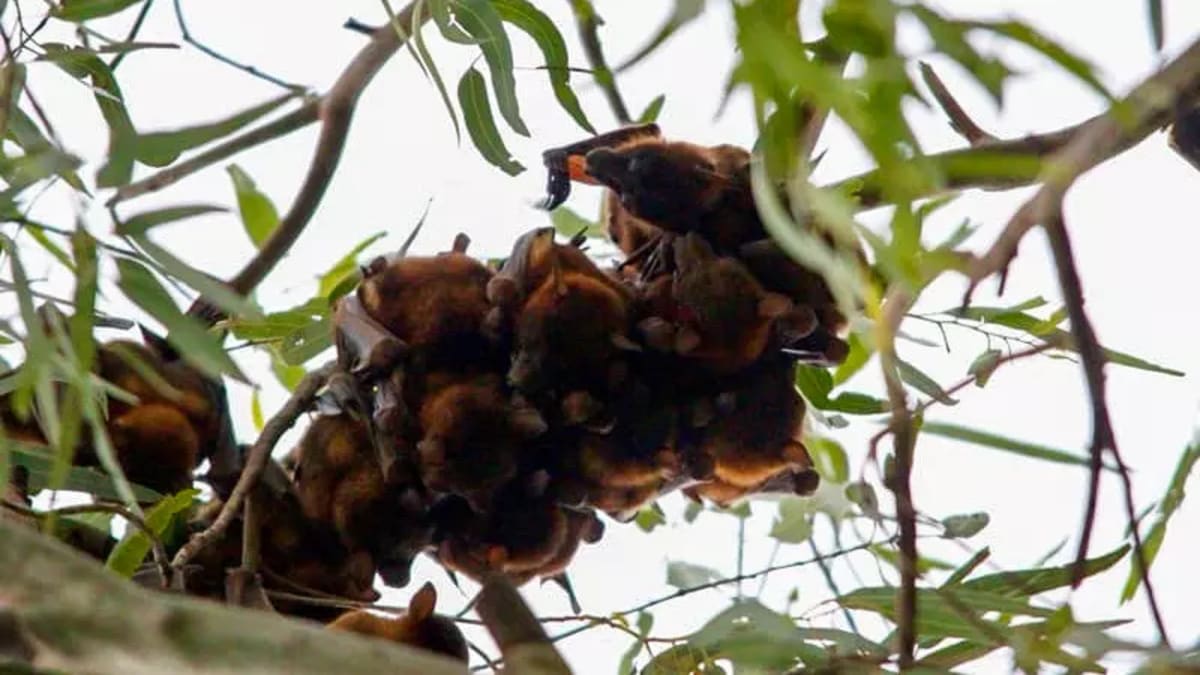
The Northern Territory faced a quieter crisis that proved just as devastating. Thousands of flying foxes, already weakened by food shortages, died as the cyclone passed through Pine Creek and Katherine regions.
Orphaned bat pups began appearing in backyards and playgrounds across affected communities. Local carers worked around the clock treating dehydrated and hypothermic animals, while specialist rehabilitators traveled from Queensland to provide hands-on support and training.
In Western Australia, Narelle returned to the coast as a Category 4 cyclone, cutting off roads and isolating communities almost immediately. Volunteers walked beaches searching for injured seabirds, turtles, and sea snakes washing ashore, often providing the only wildlife care available until emergency access opened.
Relief flights carrying essential supplies for the human response also included wildlife rehabilitation equipment. The improvised coordination helped bridge the gap between community-led wildlife care and formal emergency systems.
The Ripple Effect
The true measure of the response emerged after the headlines faded. When wildlife rescue training sessions were offered in Exmouth following the cyclone, more than 250 residents signed up, representing roughly 10% of the entire town's population.
That extraordinary turnout reflects something powerful about disaster response. When communities experience crisis firsthand, many people discover they want the skills and knowledge to help animals survive future emergencies.
The experience taught responders that disasters rarely happen in isolation. Queensland's flooding had already strained wildlife networks before cyclone warnings began, showing how pressure builds over time, often before public attention focuses on the crisis.
Strong local networks make future responses faster and more sustainable. Across northern Australia, communities now have more trained volunteers, better equipment positioning, and stronger coordination systems ready for the next emergency.
Thousands of animals survived Cyclone Narelle because ordinary people chose to help when it mattered most.
More Images
Based on reporting by Google News - Wildlife Recovery
This story was written by BrightWire based on verified news reports.
Spread the positivity!
Share this good news with someone who needs it