Australian Bat Poop Worth $955M to Forests
Half a million grey-headed flying foxes in Australia could plant 90 million new trees annually through their droppings, creating up to $955 million in economic value. New research reveals these misunderstood creatures are secret heroes of forest regeneration.
Bat droppings might just be one of nature's most valuable gifts to Australian forests.
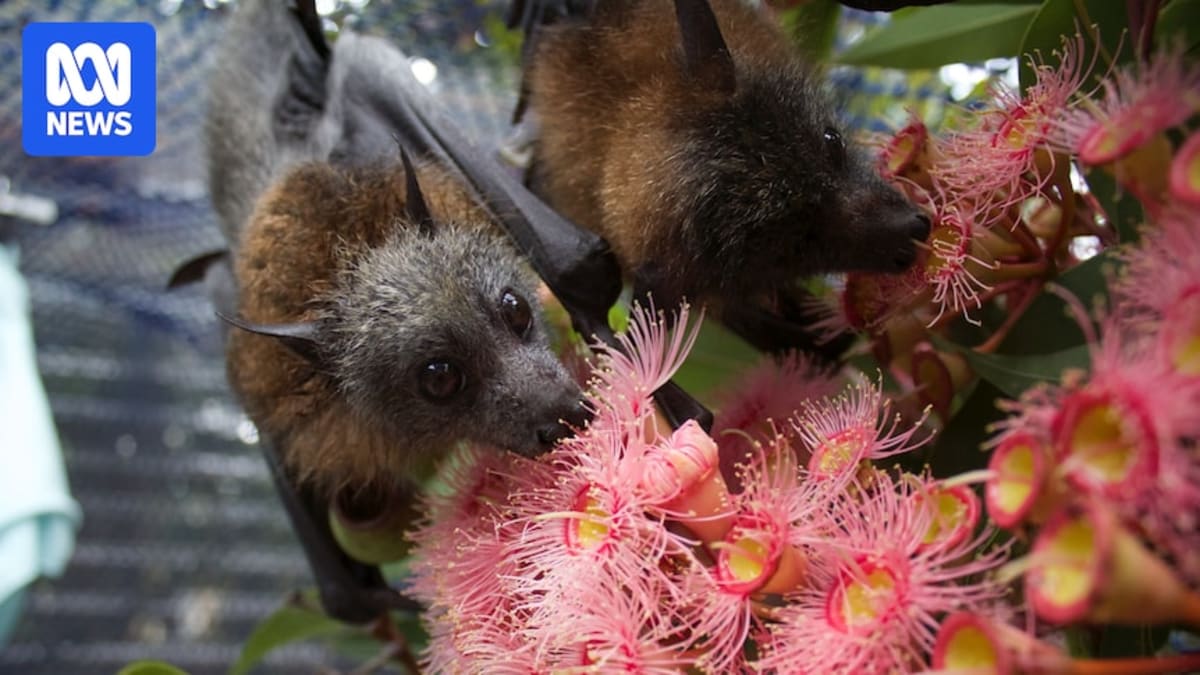
A groundbreaking study published in Scientific Reports reveals that Australia's 500,000 grey-headed flying foxes contribute between $217 million and $955 million to the country's eucalypt timber sector. The secret lies in what the bats leave behind after their nightly fruit feasts.
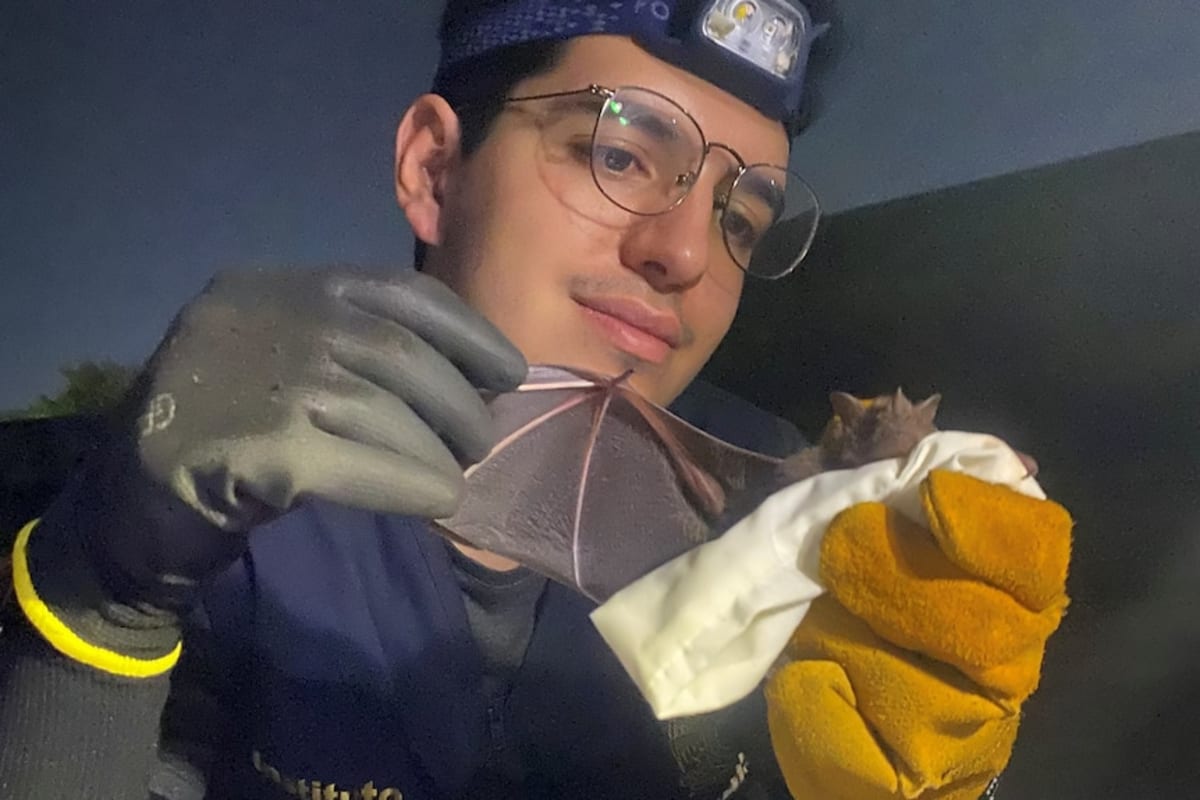
Researcher Alfredo Ortega González from The University of Sydney discovered these flying mammals could potentially plant 90 million new trees each year. When bats eat fruit, they digest the flesh but spread seeds across vast distances through their droppings, essentially becoming airborne gardeners working the night shift.
The team coined the term "Bat Ripple" to describe the species' incredible reach. These creatures influence between 11.6 and 41.4 million hectares of native forests and conservation reserves, an area roughly the size of a quarter of Queensland.
Sarah Curran, who has rescued and rehabilitated thousands of bats over 15 years, has witnessed their remarkable intelligence firsthand. She once cared for up to 50 bats simultaneously, creating specialized rehabilitation areas throughout her parents' house complete with aviaries.
"Some are naturally shyer than others, and then you have others that are very happy to come down and be quite in your face and quite the extroverts," Curran said. After years of close contact, she finds them endearing, captivating, and far smarter than most people realize.
The Ripple Effect
The timing of this research couldn't be more critical for Australia's fragmented landscapes. Climate change and recent bushfires have devastated ecosystems across the continent, leaving gaps that local pollinators simply cannot bridge.
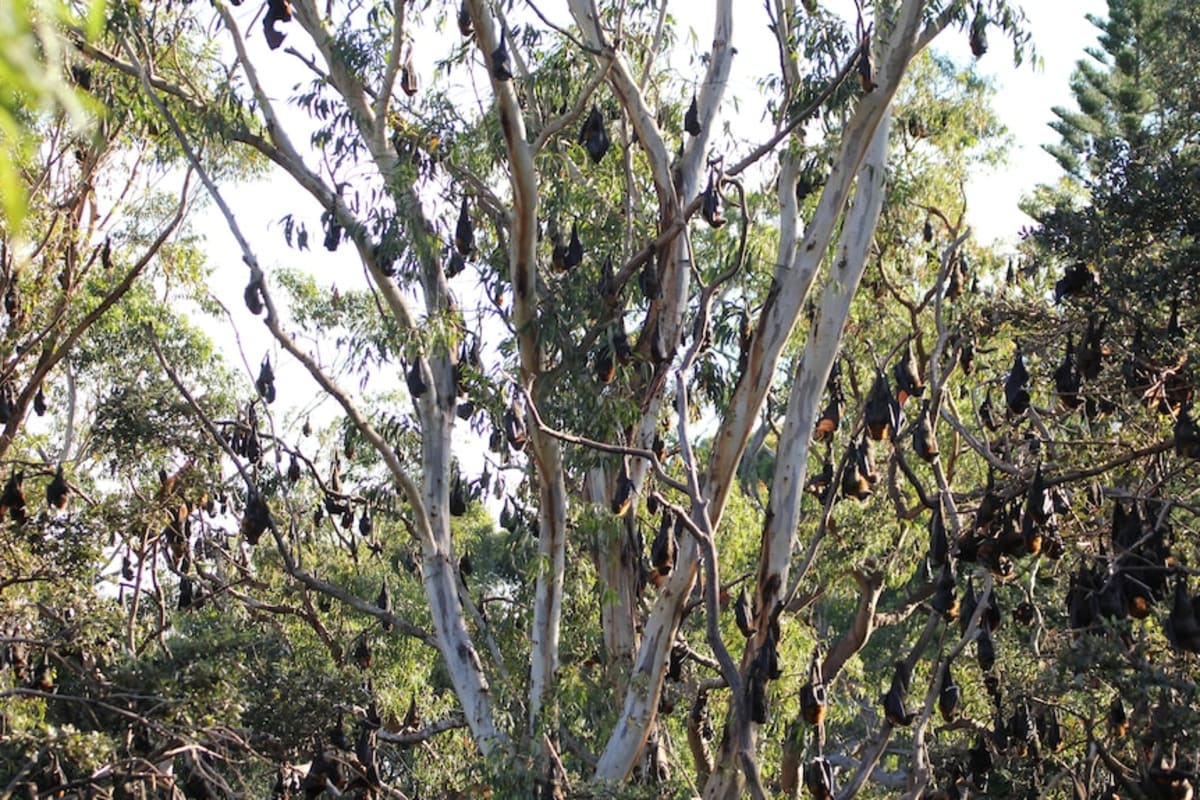
Grey-headed flying foxes travel extraordinary distances. One bat was satellite-tracked flying 500 kilometers over just 48 hours, connecting isolated forest patches and regenerating areas destroyed by fire.
Australia is home to more than 90 unique bat species, with over 20 species in the Greater Sydney area alone. The grey-headed flying fox is the only truly endemic species, making its conservation even more vital for the continent's ecological future.
Sydneysiders can witness these nocturnal heroes at accessible locations like Lachlan Swamp in Centennial Park or Parramatta Park, where colonies paint the evening sky during their nightly commutes.
Curran believes the economic valuation, though conservative, provides crucial ammunition for conservation efforts. "Economic value is very important to people when we're trying to justify why bats, our flying foxes, are so important from a conservation perspective," she explained.
These creatures are proving that nature's most misunderstood animals might just be its most valuable employees.
More Images

Based on reporting by ABC Australia
This story was written by BrightWire based on verified news reports.
Spread the positivity!
Share this good news with someone who needs it