Australian Bilbies Surge from 50 to 2,000 in Seven Years
A breeding program in Australia has boosted bilby numbers from 50 to nearly 2,000 in just seven years, marking a stunning comeback for the vulnerable species. The rabbity marsupials are now thriving in predator-free zones and reshaping their desert ecosystem.
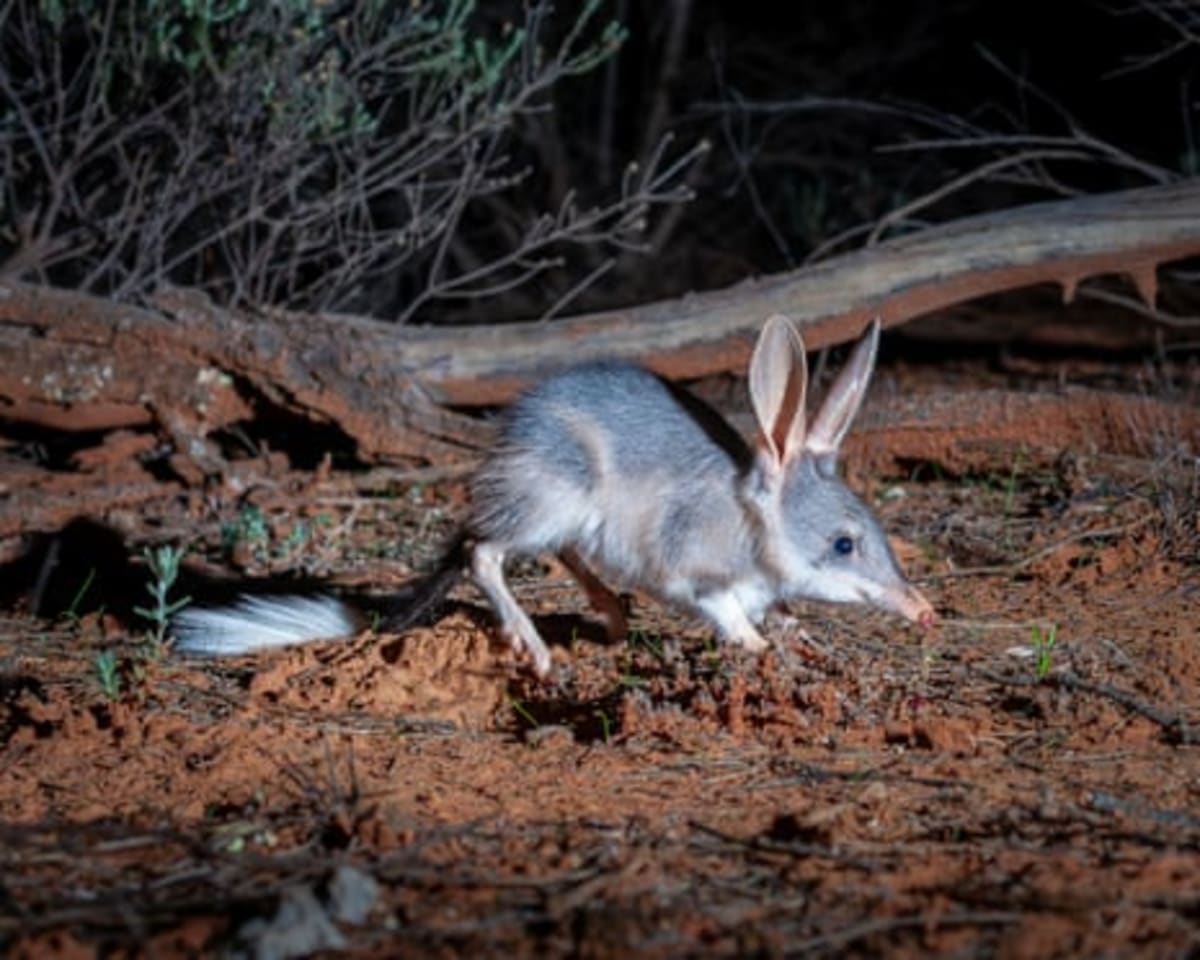
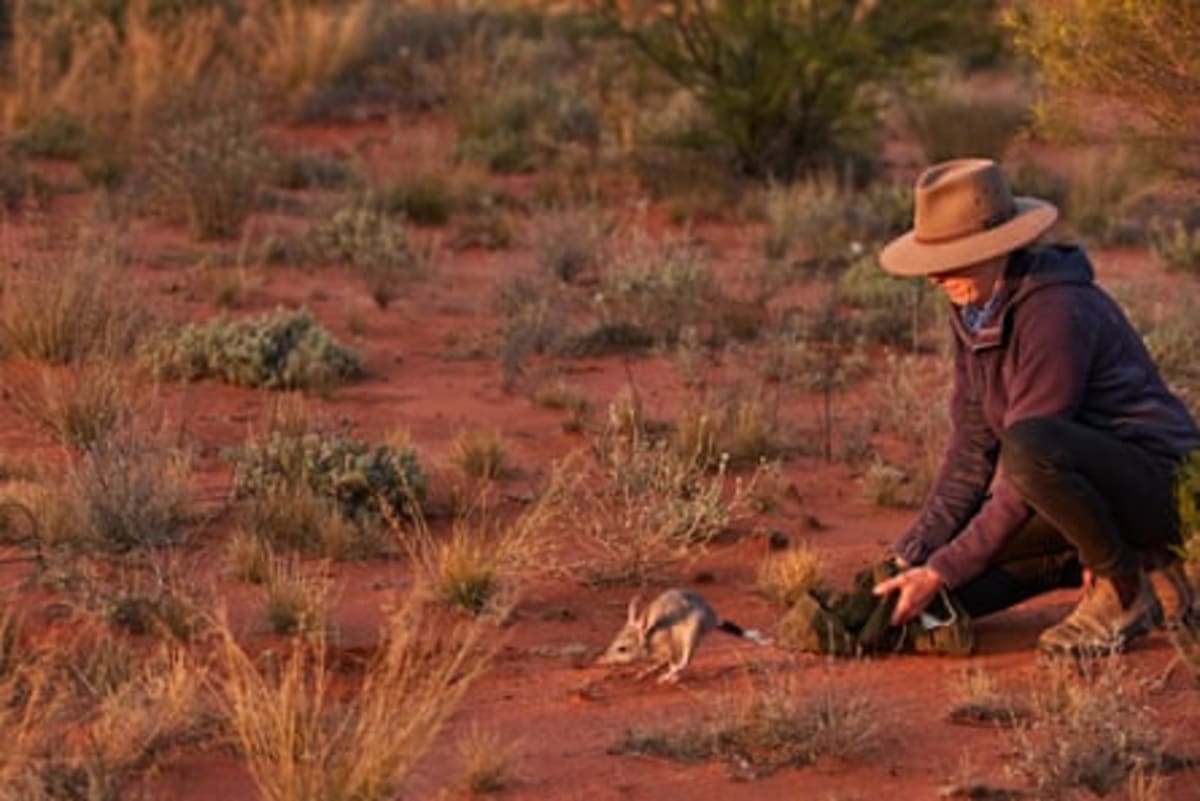
Seven years ago, conservationists released 50 bilbies into a protected area of Mallee Cliffs National Park in southwestern New South Wales, hoping they might survive. Today, nearly 2,000 of these big-eared marsupials are hopping through the park, turning over soil and rebuilding an ecosystem that hadn't seen bilbies in a century.
The Australian Wildlife Conservancy started the project in 2019 with 50 founder bilbies, including 30 from Thistle Island off South Australia's coast. They built fenced areas to keep out the feral cats and foxes that had pushed bilbies from 80% of their former range.
The strategy worked spectacularly. Between 2021 and 2023, conservationists released 107 bilbies into a larger 9,570-hectare predator-free zone, and the population exploded.
"Excluding bilbies from feral cat and fox impacts does really allow them to do well and breed up in numbers," said Rachel Ladd, a wildlife ecologist with AWC. Motion-sensor cameras now pick up bilbies on 95% of monitoring sites across the protected area.
The Mallee Cliffs success story is part of a bigger boom. Across six protected sites managed by AWC in New South Wales, South Australia, Western Australia, and the Northern Territory, bilby populations jumped from 3,300 in 2025 to 5,300 in 2026.
At Newhaven Wildlife Sanctuary in the Northern Territory, the population grew from 66 founder bilbies to 530 in just three and a half years. Above-average rainfall helped fuel the baby boom.
The Ripple Effect
Bilbies aren't just recovering. They're actively healing the land around them.
As these nocturnal diggers forage for insects and seeds, they turn over massive amounts of soil, creating small pits that catch and hold rainwater. This digging promotes new plant growth and helps entire ecosystems bounce back from drought.
"Their digging turns over large amounts of soil, helping retain rainfall and promote new vegetation growth," said ecologist Tim Henderson. Scientists call bilbies "ecosystem engineers" because their simple act of looking for dinner transforms the landscape for countless other species.
The greater bilby remains listed as vulnerable under Australian law, and conservationists know the numbers will fluctuate with rainfall patterns. But seeing cameras capture bilbies spreading across nearly every corner of their protected zones proves that giving native species a safe space from introduced predators can spark remarkable recoveries.
More Images


Based on reporting by Guardian Environment
This story was written by BrightWire based on verified news reports.
Spread the positivity!
Share this good news with someone who needs it