Australian Farmers Use Grape Sunscreen to Beat Heat Wave
As temperatures hit 44°C across inland New South Wales, farmers are getting creative to protect their animals and crops. From clay-based sunscreen for grapes to midnight livestock sales, Australian agriculture is adapting to extreme heat.
When the thermometer pushes past 40 degrees and keeps climbing, farmers across New South Wales aren't just worrying about themselves anymore. They're spraying down chickens, slathering sunscreen on grapes, and working through the night to keep their livestock safe.
This week's severe heatwave has pushed temperatures into the low to mid 40s Celsius throughout inland NSW, with some areas breaking records. But instead of throwing in the towel, farmers are coming up with ingenious solutions to help their animals and crops survive.
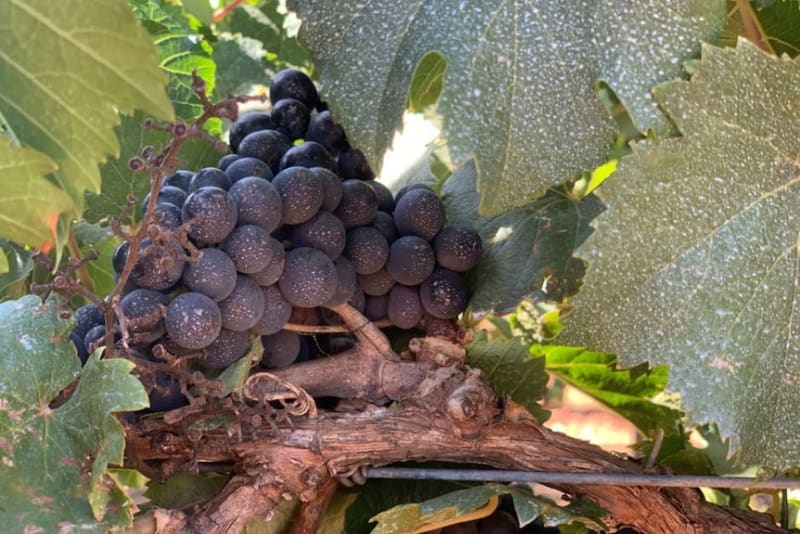
At Berton Vineyards in the Riverina, senior winemaker Darren Owers asked some growers to do something unusual: apply clay-based sunscreen to their grapes. The protective coating reflects infrared and ultraviolet radiation, keeping the berries cool enough to continue ripening.
When temperatures reach 40°C, grapevines shut down photosynthesis completely. This week's heat has delayed the red grape harvest by about a week, but the sunscreen trick is saving exposed fruit from total loss.
Near Gulgong in Central West NSW, free-range egg farmer Ian Littleton grabbed his fire trailer and turned it into a giant sprinkler system. Chickens can handle up to 40°C on their own, but anything hotter puts them at risk of dying from heat stress.
Littleton sprays water over the sheds and shade cloth, creating a cooling mist that keeps his flock alive during the hottest hours. The birds feed during cooler mornings and evenings, then retreat to shade when the sun peaks.
Meanwhile, livestock saleyards are completely rethinking their schedules. The Wagga Wagga saleyard held its first ever 6am start, which meant agents and contractors began work at midnight to prepare.
Despite the brutal conditions, 40,000 sheep and lambs still came through the early morning sale. Nutrien livestock manager Peter Cabot made sure every animal had access to shade and water throughout the process.
Forbes Central West Livestock Exchange took similar action, moving stock through quickly to get them off hot concrete and onto water before loading. The Griffith sale was cancelled entirely when temperatures were forecast to hit 45°C.
The Ripple Effect
These creative adaptations aren't just helping farms survive this particular heatwave. Farmers like Ian Littleton are thinking ahead, developing strategies that will work as extreme temperatures become more common.
The agricultural community is sharing these solutions with each other, building a knowledge base for climate adaptation. When one farmer figures out that clay sunscreen protects grapes or that midnight sales protect livestock, others learn and adapt the techniques to their own operations.
Animal welfare standards are getting stronger too, with saleyards prioritizing livestock comfort even when it means completely overhauling decades of tradition.
Australian farmers are proving that with creativity and determination, agriculture can adapt to a changing climate while keeping animals safe and crops thriving.
More Images


Based on reporting by ABC Australia
This story was written by BrightWire based on verified news reports.
Spread the positivity!
Share this good news with someone who needs it