Australian Firm Unveils Indigenous Art for Reconciliation
Engineering company Clough launched its fourth Reconciliation Action Plan with original artwork by Jaru artist Madeleine Edwards. The Perth ceremony included a traditional Welcome to Country from Noongar Elder James T Webb.
An Australian engineering company just made reconciliation more than a policy document by turning it into living art.
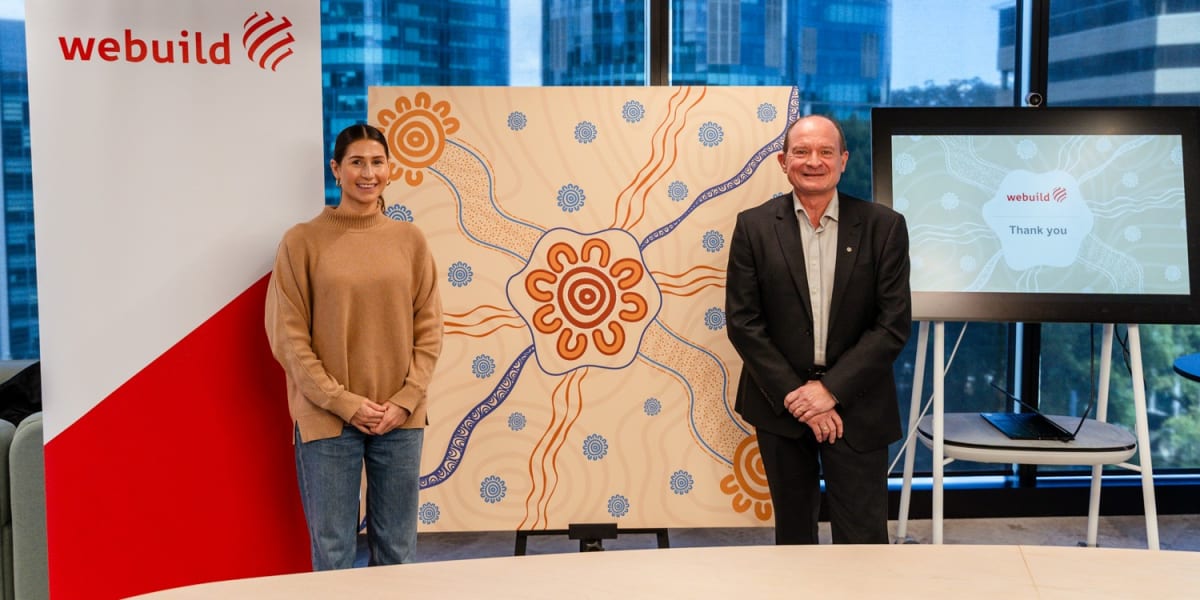
Clough recently unveiled its 2026-2028 Innovate Reconciliation Action Plan at its Perth office, commissioning Jaru artist Madeleine Edwards to create an original artwork titled "Building Reconciliation Together." The September ceremony brought together employees, Indigenous leaders, and community members to witness the official reveal.
The event featured a Welcome to Country by James T Webb, an Elder from the Noongar First Nation community. His presence transformed the corporate launch into something deeply meaningful, connecting the modern workplace to tens of thousands of years of Indigenous culture and tradition.
This marks Clough's fourth Reconciliation Action Plan, showing a sustained commitment that goes beyond one-time gestures. The company's Innovate RAP represents the intermediate level of Reconciliation Australia's framework, demonstrating genuine progress in creating opportunities for Aboriginal and Torres Strait Islander peoples.
Edwards, working through her company Jalani Media, created artwork that now hangs as a daily reminder of the company's commitment. Rather than tucking reconciliation away in a policy binder, employees will see it every day they walk through the office.
The Ripple Effect
Reconciliation Action Plans might sound like corporate paperwork, but they create real change. Companies that develop RAPs commit to specific, measurable actions: hiring Indigenous Australians, partnering with Indigenous businesses, and creating culturally safe workplaces. When major employers like engineering firms embrace these plans, they open doors in industries where Indigenous Australians have been historically underrepresented.
By commissioning Indigenous artists and involving Elders in corporate events, companies also create economic opportunities and platform visibility for Indigenous culture. The artwork itself becomes a conversation starter, educating non-Indigenous employees and visitors about reconciliation's ongoing importance.
Australia's reconciliation movement continues growing stronger through actions like these, one workplace at a time.
Based on reporting by Google News - Reconciliation
This story was written by BrightWire based on verified news reports.
Spread the positivity!
Share this good news with someone who needs it