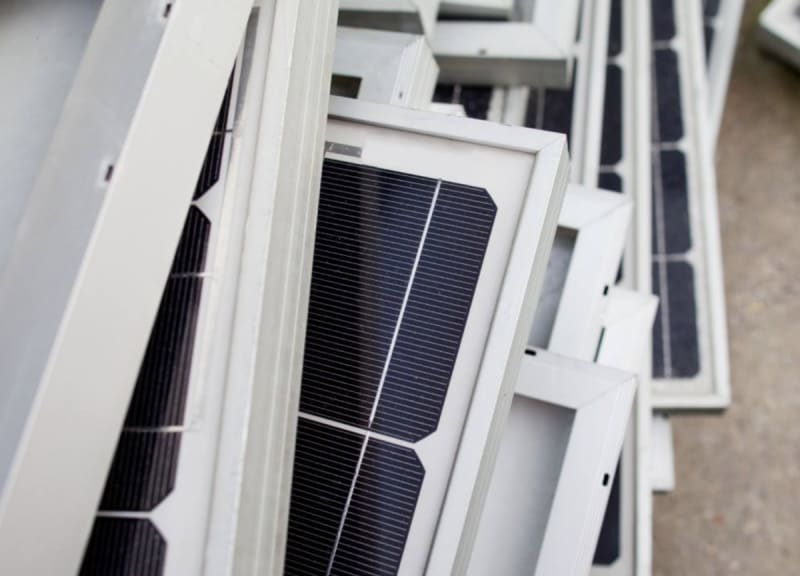
Australian Lab Extracts 85% Silver from Old Solar Panels
Scientists in Adelaide just cracked a major recycling challenge that could keep millions of solar panels out of landfills. Their breakthrough extracts precious silver using biodegradable liquids instead of toxic chemicals.
A clean energy company in Adelaide has found a way to rescue valuable silver from dying solar panels, and it could change how we handle the coming wave of electronic waste.
Iondrive reported that its new IONSolv platform pulled more than 85% of silver from test materials in early lab trials. The company uses special biodegradable solvents that selectively dissolve and extract target metals without harsh chemicals.
The timing couldn't be better. Australia's earliest solar panels are hitting their 25 to 30 year expiration dates right now, and without better recycling methods, they're headed straight to landfills.
Each panel contains silver and silicon worth recovering, but traditional recycling methods struggle with extraction efficiency. That's where Iondrive's deep eutectic solvents come in as game changers.
The company tested small batches of metallic silver under controlled conditions to establish a baseline. Now they're partnering with Victoria-based Livium, a circular economy firm that dismantles solar panels and provides real-world testing materials.
Next up, the team will tackle recovery pathways for both silver and polysilicon. These represent two of the most valuable commodity streams hidden inside photovoltaic waste.
The Ripple Effect
This breakthrough addresses a looming environmental crisis before it arrives. As solar energy adoption exploded over the past three decades, millions of panels were installed across Australia and the world.
Those panels powered a green energy revolution, but nobody had solved what happens when they stop working. Without efficient recycling, the very technology that helped reduce carbon emissions could create massive electronic waste problems.
Iondrive's approach targets high-value materials early in the recycling chain, making the economics work while keeping toxins out of the process. The biodegradable solvents mean no secondary pollution from the recycling itself.
Other countries watching Australia's solar aging process will benefit from this research. The extraction method could scale globally as panels worldwide reach retirement age over the next decade.
Australia is turning its position as an early solar adopter into leadership on solar recycling solutions.
More Images
Based on reporting by PV Magazine
This story was written by BrightWire based on verified news reports.
Spread the positivity!
Share this good news with someone who needs it