Australian Oyster Region Doubles Production in a Decade
While natural disasters devastate traditional oyster farms across Australia, one coastal town has quietly doubled its production and now supplies a quarter of the state's oysters. Their success story offers a blueprint for the struggling industry's comeback.
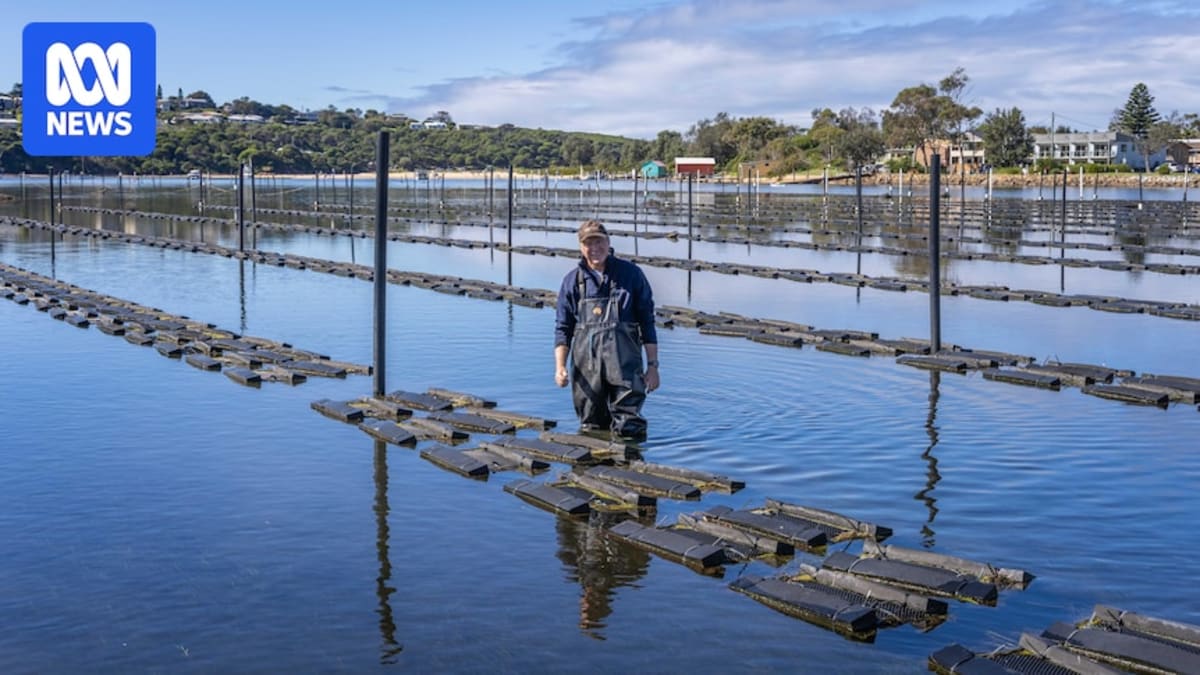
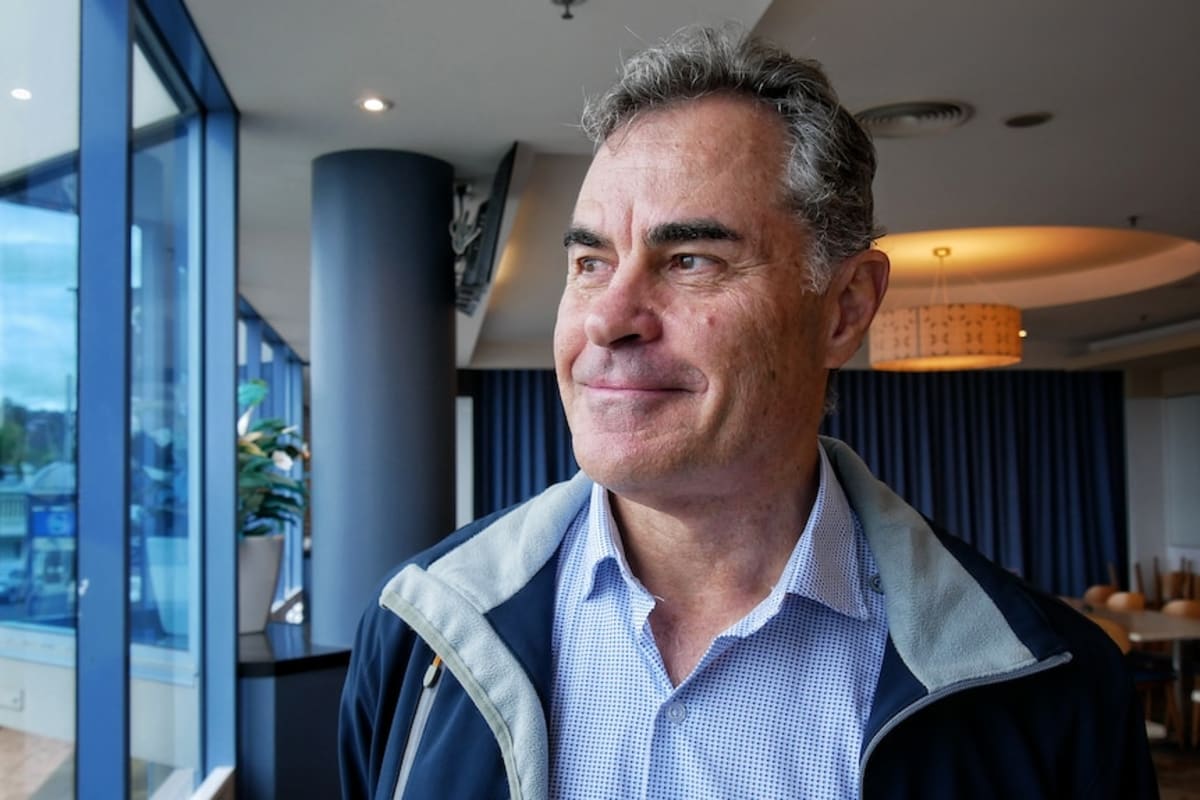
When Hugh Wheeler started farming oysters 45 years ago in Merimbula Lake, he never imagined his small operation would one day become the engine driving New South Wales' entire oyster industry.
The shallow coastal estuary on Australia's Far South Coast just set records, producing $14 million worth of Sydney rock oysters last year. That's a quarter of the entire state's production, and double what the region harvested just ten years ago.
Merimbula has now overtaken traditional oyster powerhouses in the Hunter region and Mid North Coast. While those historic areas battle repeated floods and mysterious diseases that kill up to 90 percent of stock, this southern gem keeps thriving.
Wheeler credits geography and smart farming for the turnaround. His region adopted floating bag systems early, keeping oysters safe during storms that wash traditional farms out to sea.
"Merimbula has fewer problems than most of the other estuaries up and down the coast," Wheeler said. The region focuses on premium, restaurant-grade oysters that command top prices.
The numbers tell the success story. In 2024-25, Merimbula alone produced 323,241 dozen large oysters, more than triple the second-place region. Meanwhile, former leader Wallis Lake crashed from 1.5 million dozen in 2018-19 to just 557,000 dozen last year.
The Ripple Effect
The New South Wales government sees Merimbula's success as proof the entire industry can bounce back. They're investing $20 million in grants to help farmers adopt automation, modern technology, and climate-smart growing methods.
Their goal? Nearly triple the industry's value to $300 million by 2030.
Researchers are doing their part too. Scientists at the University of Sydney just developed an experimental vaccine against Pacific oyster mortality syndrome, achieving 90 percent survival rates in lab trials.
Ewan McCash, an oyster farmer and aquaculture software CEO, believes the ambitious targets are totally achievable. The science exists, markets want Australian oysters, and international growers are watching Australia for innovation.
The biggest hurdles aren't nature or disease but old-fashioned finance. Banks don't recognize oyster leases as assets, forcing farmers to mortgage their homes to expand their businesses.
Fix that problem, secure disease-free oyster seed, and attract skilled workers, and McCash says the industry will flourish. American growers are already looking to Australia for leadership in oyster farming technology.
When one small coastal town can double production while neighbors struggle, it proves the right mix of location, innovation, and smart farming can turn the tide for an entire industry.
More Images



Based on reporting by ABC Australia
This story was written by BrightWire based on verified news reports.
Spread the positivity!
Share this good news with someone who needs it