
Australian Researchers Create Game-Changing Tool to Protect Water From Toxic Chemicals
Scientists at La Trobe University have developed an innovative portable biosensor that could revolutionize how we detect dangerous "forever chemicals" in water. This breakthrough technology promises to make water testing faster, easier, and more accessible—especially in remote communities that need it most.
In a promising development for environmental protection and public health, researchers at La Trobe University have created a portable biosensor that could transform how we safeguard our water supplies from harmful contaminants.
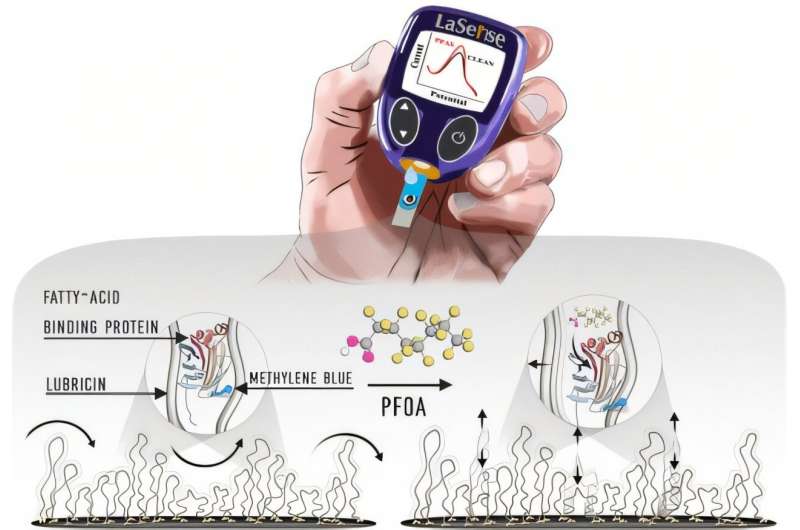
The innovative device offers rapid, on-site detection of PFAS (per- and polyfluoroalkyl substances)—a group of synthetic chemicals commonly known as "forever chemicals" because they persist in the environment. Until now, testing for these substances has required expensive laboratory equipment and specialized expertise, making regular monitoring difficult and often impossible in remote areas.
Ph.D. student Henry Bellette and Dr. Saimon Moraes Silva, Director of La Trobe's Biomedical and Environmental Sensor Technology (BEST) Research Center, led the groundbreaking research, which has been published in the peer-reviewed journal ACS Sensors.
"This biosensor could be used on site and provides a simple yes or no result, allowing water to be screened quickly and easily," Bellette explained, highlighting how the technology democratizes access to crucial water quality information.
The device specifically detects PFOA (perfluorooctanoic acid), one of the most regulated PFAS compounds. These chemicals have been widely used in firefighting foams, food packaging, and stain-resistant fabrics, but their links to serious health concerns have made monitoring essential.
What makes this development particularly exciting is its potential to bring sophisticated testing capabilities to communities that need them most. Regional and remote areas, which have historically faced challenges accessing laboratory services, could soon have the power to monitor their own water supplies regularly and affordably.
Dr. Moraes Silva emphasized the long-term benefits of this technology: "A portable screening tool could allow more frequent testing, particularly in regional and remote areas, and help identify where more detailed laboratory analysis is needed."
This targeted approach means resources can be used more efficiently—quick screening identifies potential problem areas, and detailed laboratory analysis can then be focused where it's truly necessary.
The researchers' vision extends beyond the current prototype. They're working toward incorporating the technology into a handheld device that could be used for environmental monitoring and water screening across diverse settings. Imagine water quality officers, community health workers, or environmental agencies being able to test water supplies on the spot, getting immediate answers that help protect public health.
While PFAS contamination has been identified at various sites across Australia—particularly where firefighting foams were historically used—this new technology represents a powerful tool in addressing the challenge. Rather than viewing contamination as an insurmountable problem, the scientific community is actively developing practical solutions.
The development of this biosensor showcases how Australian innovation is contributing to global environmental challenges. It demonstrates that with creativity, dedication, and scientific expertise, we can develop smarter ways to protect our natural resources and communities.
As this technology continues to develop toward commercial availability, it offers hope for more comprehensive water monitoring, better protection for vulnerable communities, and a more proactive approach to environmental health management. It's a shining example of how scientific research can translate into real-world solutions that make a genuine difference in people's lives.
More Images
Based on reporting by Phys.org
This story was written by BrightWire based on verified news reports.
Spread the positivity! 🌟
Share this good news with someone who needs it
More Good News
 🚀 Innovation
Astronomers Discover Cloud-9: A Cosmic Fossil That Unlocks Universe's Secrets
 🚀 Innovation
Breakthrough Battery Technology Promises Safer, Longer-Lasting Energy Storage
 🚀 Innovation
Scientists Unlock New Way to Save Forests Before They're in Danger
Joke of the Day
Why did the dog apply for a job at the bank?
Explore Categories
Quote of the Day
"The greatest thing you'll ever learn is just to love and be loved in return."
— Moulin Rouge (from the film, popularized by Ewan McGregor)