Australian Scanners Find 500 Melanomas in 10,000 People
Revolutionary 3D body scanners photographed nearly 10,000 Australians and detected 500 potentially fatal melanomas before they became deadly. The breakthrough technology could change how the world fights the deadliest form of skin cancer.
Imagine a camera that could spot cancer on your skin before you even knew it was there—that's exactly what Australian researchers have built, and it's already saving lives.
Nearly 10,000 volunteers stepped into whole-body 3D scanners for a groundbreaking study that's revolutionizing melanoma detection. So far, the research has identified 500 potentially fatal melanomas, along with hundreds of other dangerous skin cancers that might have gone unnoticed.
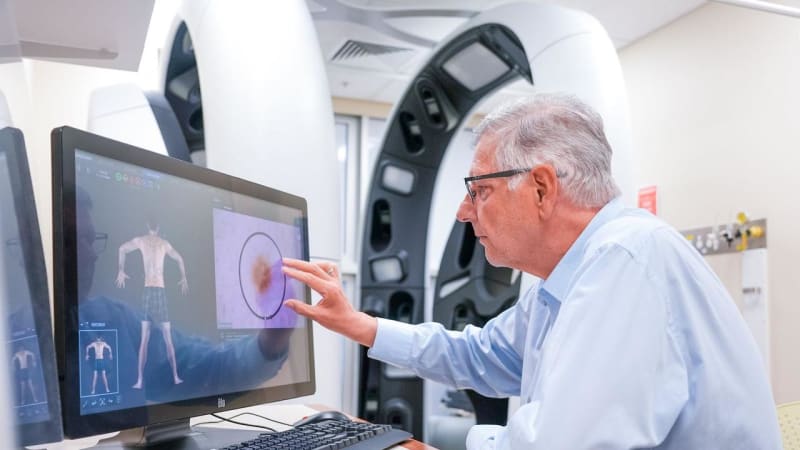
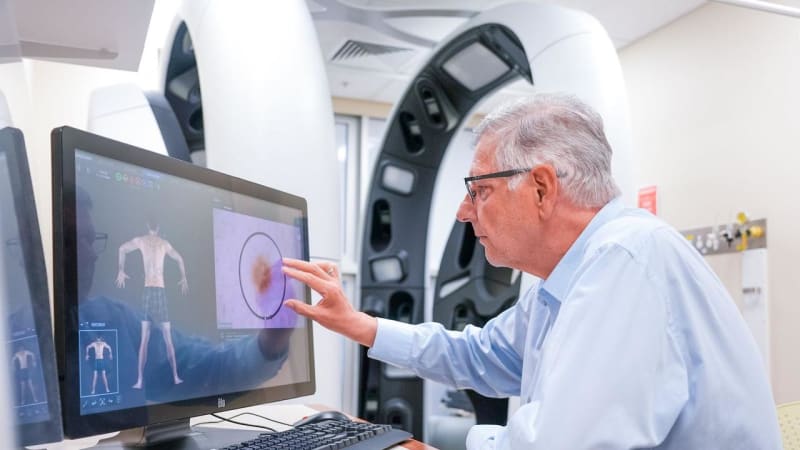
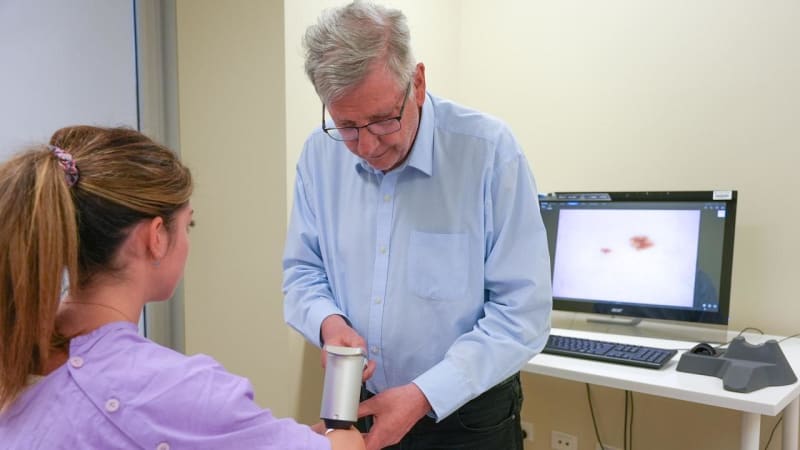
The Australian Centre of Excellence in Melanoma Imaging and Diagnosis installed 15 massive scanning machines across eastern Australia, worth about $10 million total. These aren't your typical medical photos—the 3D macro images capture close-up details of every pigmented spot on a person's entire body, creating a comprehensive map that doctors can track over time.
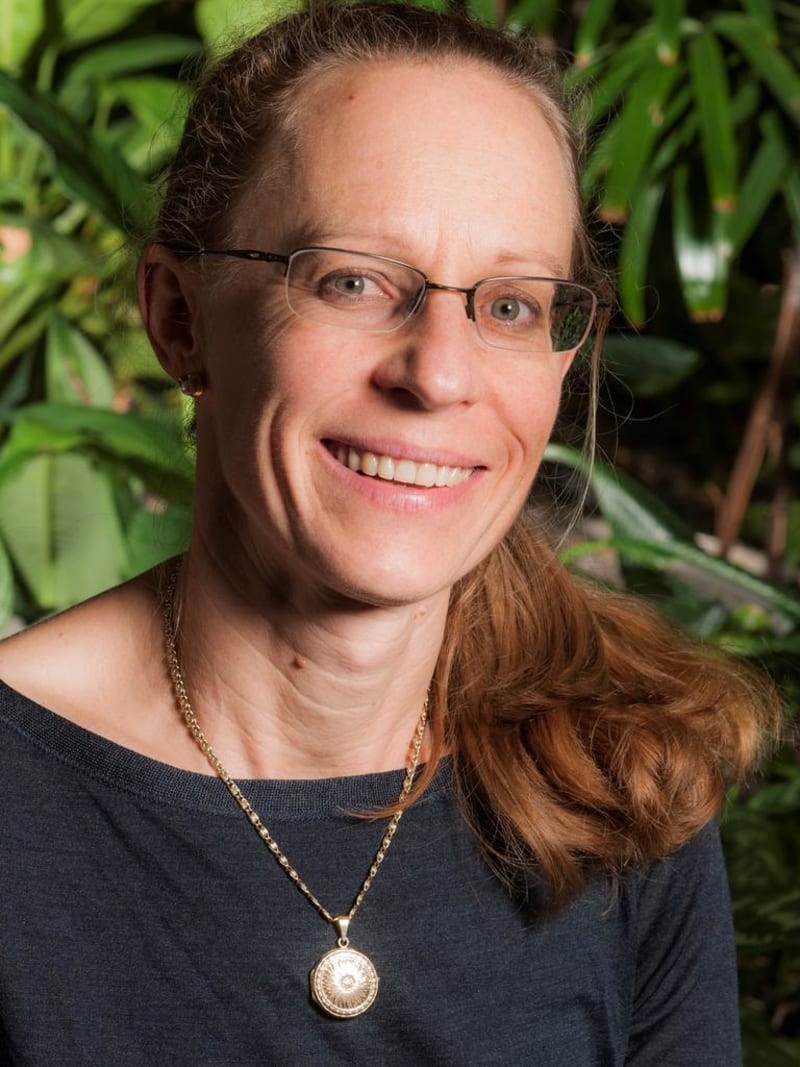
Professor Monika Janda from The University of Queensland leads the behavioral science research for the project. She explains that Australia desperately needs this technology because two-thirds of Australians will develop at least one skin cancer before turning 70—the highest rate in the world.
The scanners photograph participants at different intervals based on their risk level, with fair-skinned people getting scanned more frequently. The study intentionally includes equal numbers of low, medium, and high-risk participants to ensure the research applies to everyone.
Why This Inspires
What makes this project truly special is how it brings together experts from completely different fields. Researchers from three major universities combined their knowledge in dermatology, artificial intelligence, genetics, behavioral science, and more to create something no single team could build alone.
They're developing AI algorithms that automatically analyze the scans and flag warning signs doctors need to investigate. The team also collects saliva samples to understand genetic risk factors, creating sophisticated scores that predict who faces the highest danger from specific gene combinations.
The innovation is already spreading beyond Australia's borders. Researchers in the United States, Switzerland, Belgium, and other European countries are collaborating on the project as their own skin cancer rates climb—likely from more frequent vacations to sunny destinations.
The full-body approach reveals patterns clinicians never noticed with traditional spot-checking. Researchers now understand how skin changes are distributed across the body and how they evolve over time, knowledge that could lead to better prevention strategies.
Experts predict future AI models will track every single lesion on a patient's body automatically, catching dangerous changes months or years earlier than current methods allow.
Professor Janda reminds Australians that daily sun protection matters just as much as these technological advances. Applying sunscreen each morning protects against the incidental exposure that adds up over a lifetime—the kind of damage these scanners are designed to catch before it turns deadly.
More Images

Based on reporting by Google News - Australia Breakthrough
This story was written by BrightWire based on verified news reports.
Spread the positivity!
Share this good news with someone who needs it