Australian School Closes Literacy Gap in 4 Years
An Aboriginal school in Western Australia went from 89% of students reading below grade level to nearly all students reading on target. The turnaround happened in just four years using evidence-based teaching methods.
Four years ago, Djidi Djidi Aboriginal School faced a heartbreaking reality: 16 of 18 senior students were reading three years behind grade level. Most dropped out of high school by year 9, unprepared for the academic challenges ahead.
Today, the school outside Bunbury, Western Australia, has flipped that story completely. All but one or two of the 23 senior students now read at grade level and are ready for high school success.
"That result is better than what I could have ever expected," says principal Karen Augustson. "We are now closing the gap, which is what we set out to do, and we can see it."
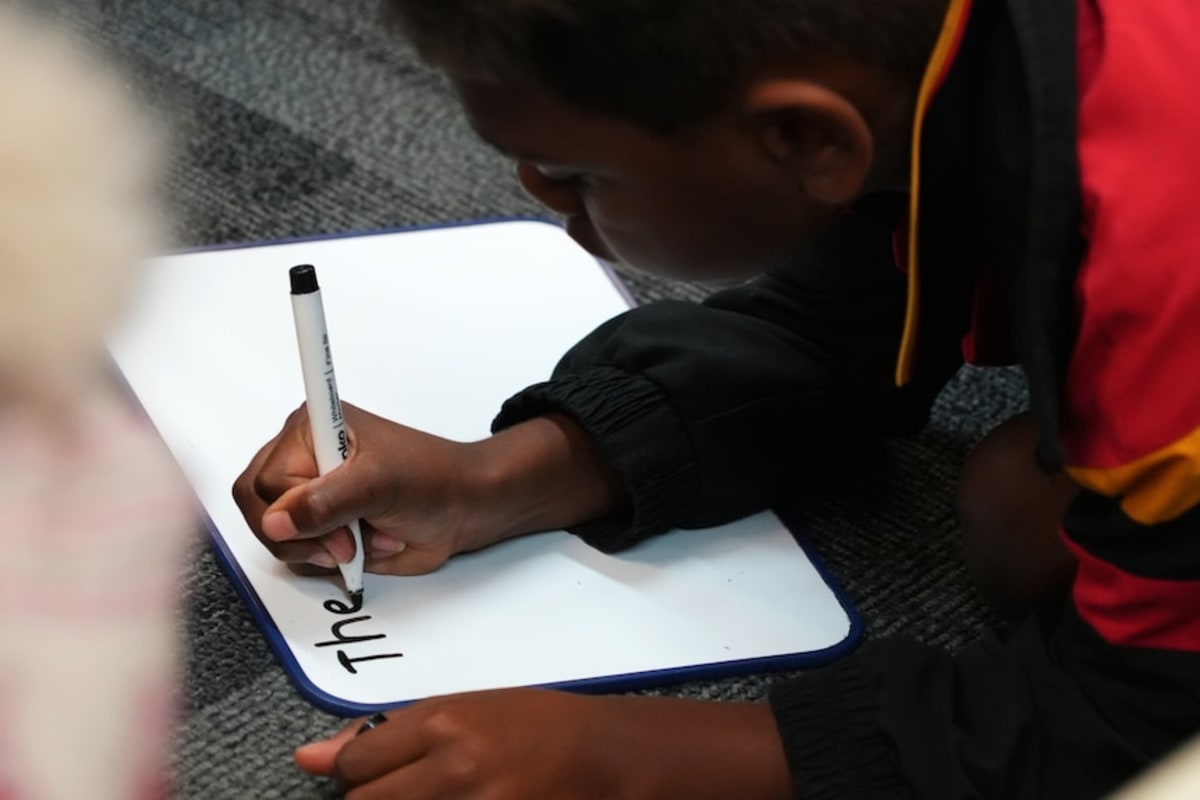
The transformation started with a structured literacy program called MultiLit, developed from Macquarie University research. Students spend 90 minutes each day learning sounds and letters in a highly organized way, building skills step by step.
The key difference? Teachers don't move forward until every student masters each lesson. "Just stop, take a breath and go back," Augustson told her staff during the bumpy first year.
Learning assistant Rebecca Calligaro says this approach builds unshakeable foundations. Students learn in groups based on skill level, not age, moving at their own pace without shame or embarrassment.
The confidence boost shows up everywhere. Student suspensions dropped dramatically, and kids who once avoided reading now volunteer to read aloud. "They're keen to read, they're keen to learn," Calligaro says.
Each day begins with a "yarning circle" where students and staff reflect together, blending Indigenous culture with structured learning. The school also uses trauma-informed teaching practices, creating calm and predictable classrooms.
The Ripple Effect
Education expert Pamela Snow from Latrobe University says this structured approach, called explicit instruction, works for all students. The calm, predictable routines especially help children who've experienced trauma or are neurodiverse.
"A rising tide lifts all boats," Professor Snow explains. "This is beneficial for all students."
She wants better tracking of how schools nationwide teach reading, so successful models like Djidi Djidi's can be shared and replicated. Schools across Australia could learn from this remote community's remarkable turnaround.
"Our students here are our future elders and leaders of the community," Calligaro says. "We want to instil in them confidence and the keys they need to succeed."
These students now have exactly that: the literacy skills that open doors to high school completion, further education, and stronger futures.
More Images



Based on reporting by Google News - Literacy Program Success
This story was written by BrightWire based on verified news reports.
Spread the positivity!
Share this good news with someone who needs it