Australian School Cuts Energy Costs With Wireless Solar
A school in Australia just installed a solar system that shares power across campus without any cables. The breakthrough technology will pay for itself in four years while slashing electricity bills.
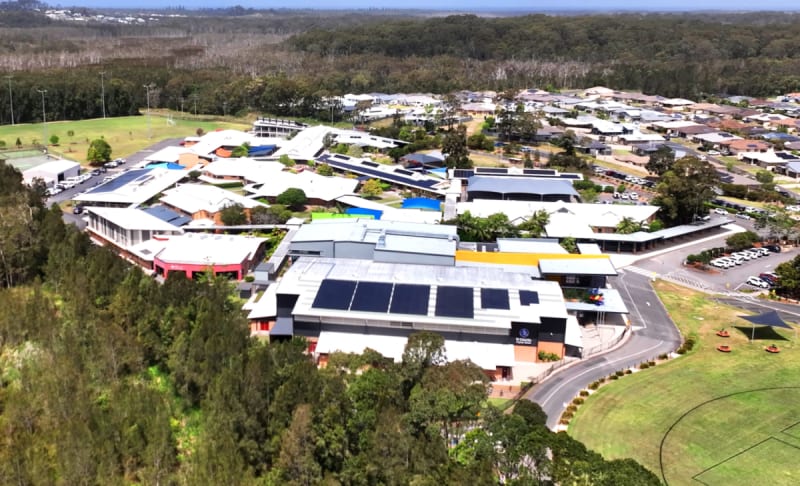
Saint Columba Anglican School in Australia is now running on sunshine, thanks to a wireless solar system that's changing how schools think about energy.
The school recently upgraded from a small 100 kilowatt solar setup to a powerful 310 kilowatt system featuring 708 solar panels. But the real innovation isn't just the size. It's how the system works.
Traditional solar installations require extensive data cabling to connect panels across different buildings. That means digging trenches, running wires, and dealing with distance limitations. This new system from Chinese manufacturer Sungrow eliminates all of that by using the school's existing wireless network instead.
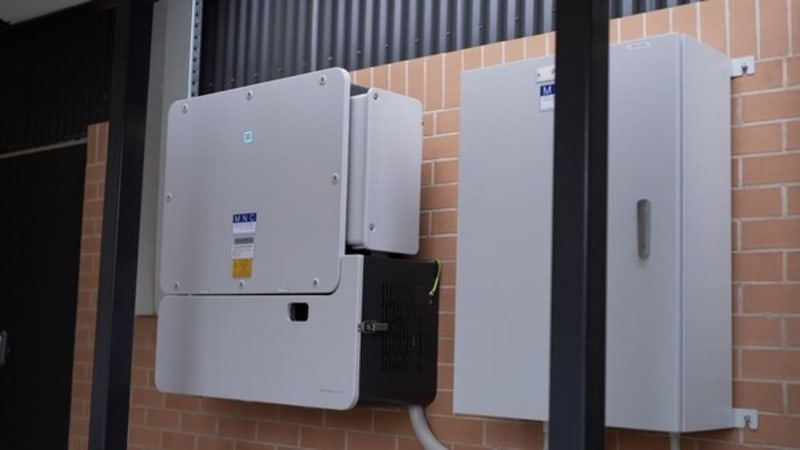
The three inverters talk to each other over wifi, intelligently balancing solar power across every building on campus. When one building generates more electricity than it needs, the excess flows seamlessly to other areas. Any leftover energy feeds back to the main grid.
"The solar generated here will be evenly distributed throughout the school," said Dean Galvin from installer MNC Solar Power. No complex wiring required.
The system also gives school administrators real-time data through a cloud dashboard. Business Manager Steve Mitchell can now see exactly how much electricity the panels generate, what the school consumes, and what gets exported to the grid at any moment.
The Ripple Effect
This wireless approach opens doors for other schools and campuses struggling with the high costs and complexity of traditional solar installations. Buildings that were once too far apart or too expensive to connect can now share renewable energy effortlessly.
For Saint Columba, the financial impact is immediate. The school expects to recover its upfront investment in just four years. After that, the savings go straight to reducing operating expenses, freeing up money for educational programs instead of utility bills.
The technology works through standard networking protocols that communicate via local wireless networks. Distance no longer matters. Old buildings, new buildings, scattered campuses—all can now share solar power as easily as they share internet access.
Mitchell said having energy data at their fingertips helps the school make smarter decisions about consumption and efficiency. Teachers can even use the real-time dashboard as an educational tool, showing students exactly how renewable energy works in practice.
As energy costs continue rising globally, this wireless solution proves that going solar doesn't have to mean extensive construction or complicated infrastructure—just smart technology and sunshine working together.
More Images


Based on reporting by PV Magazine
This story was written by BrightWire based on verified news reports.
Spread the positivity!
Share this good news with someone who needs it