Australian Scientist Cracks Code on Deadly Flu and COVID
A Melbourne researcher has discovered why some people die from respiratory viruses while others recover, potentially saving countless lives through early detection. The breakthrough could help doctors predict which patients will become critically ill before symptoms worsen.
After two decades of searching, Professor Katherine Kedzierska has finally answered one of medicine's most haunting questions: why do some people breeze through the flu while others end up fighting for their lives?
The Melbourne immunologist discovered that a single gene called OLAH is the culprit behind life-threatening inflammation in severe cases of flu, COVID-19, and RSV. When this gene goes into overdrive, it triggers the dangerous immune response that kills patients.
Her team first spotted the pattern in people hospitalized with avian flu, noticing sky-high OLAH levels in the sickest patients. Years later, they found the exact same biological signature in severe COVID-19 cases and RSV infections, revealing a common thread connecting deadly respiratory diseases.
The timing couldn't be more crucial. As of August 2026, Australia has recorded over 240,000 respiratory virus cases and more than 4,500 hospitalizations, with severe disease hitting young children and older adults hardest.
Professor Kedzierska, who leads research at the Peter Doherty Institute for Infection and Immunity, is now developing a rapid blood test that could identify at-risk patients the moment they arrive at the hospital. Her team is also exploring new therapies to stop the harmful immune response before it becomes deadly.
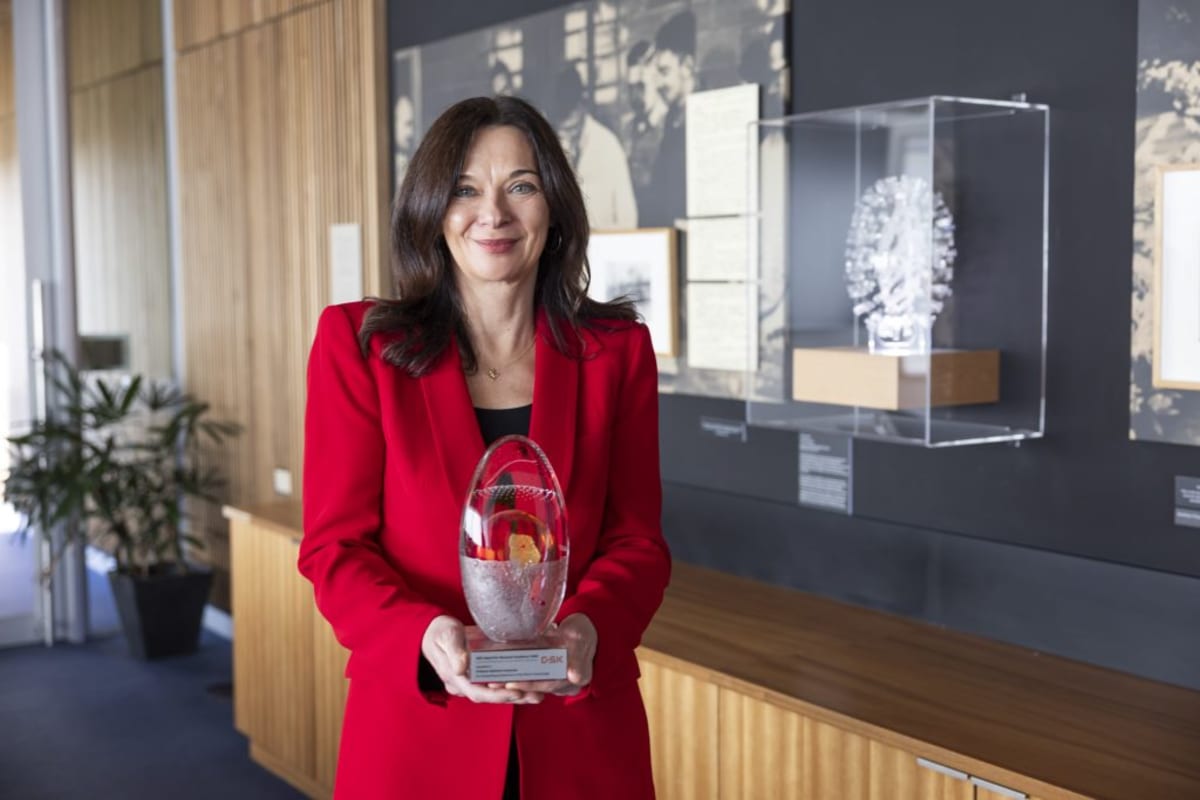
"Respiratory infections are often a race between the virus and our immune system," she explained after receiving the 2026 GSK Award for Research Excellence. "Our goal is to better understand why that balance tips towards severe disease in some people, so we can identify those at greatest risk earlier."
Professor Jason Trubiano, an infectious diseases physician who works alongside her, sees the discovery's immediate impact. "When a patient comes into hospital with a respiratory infection, one of the biggest challenges is understanding who may go on to become seriously unwell," he said. "Katherine's research is helping us get closer to answering that question."
The Ripple Effect
The $150,000 research grant accompanying Professor Kedzierska's award will accelerate development of the blood test and validation of potential treatments. If successful, emergency rooms worldwide could soon predict which patients need aggressive intervention and which can safely recover at home, fundamentally changing how hospitals manage respiratory outbreaks.
For families who've watched loved ones deteriorate seemingly overnight from what started as a simple cough, this research offers something precious: the possibility that future patients won't slip through the cracks.
What began as scientific curiosity during the 2009 H1N1 pandemic has become a roadmap for saving lives across multiple diseases.
More Images



Based on reporting by Google News - Breakthrough Discovery
This story was written by BrightWire based on verified news reports.
Spread the positivity!
Share this good news with someone who needs it