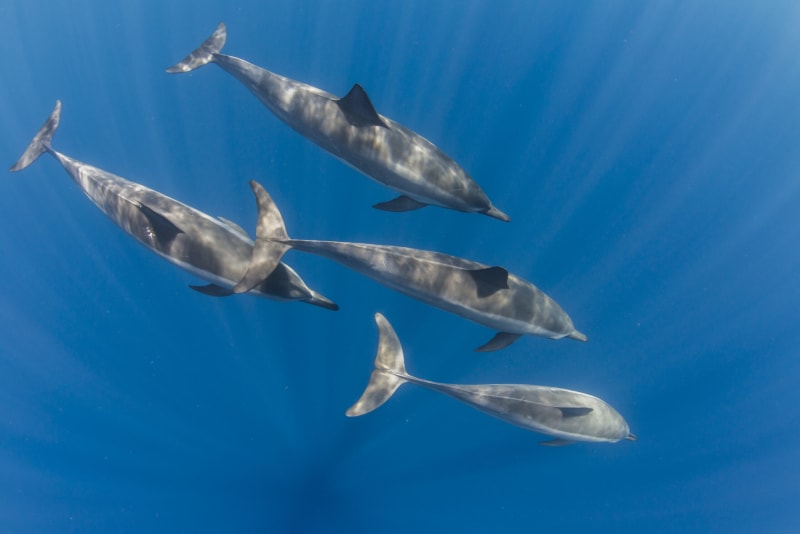
Australian Scientists Use Drones to Monitor Dolphins Without Stress—A Conservation Win
Researchers at Flinders University have pioneered a breakthrough method using thermal drones to check dolphin health from the sky, analyzing over 40,000 images to perfect this gentle, stress-free approach. This innovation means dolphins can now be monitored for signs of illness or environmental stress without ever being touched, captured, or disturbed—a game-changer for marine conservation worldwide.
In a heartwarming victory for marine conservation, Australian scientists have cracked the code on monitoring dolphin health without causing them any stress—and the solution has been flying above our heads all along.
Researchers from Flinders University's Cetacean Ecology, Behaviour and Evolution Lab have demonstrated that drones equipped with thermal cameras can accurately measure vital health indicators in dolphins, including body surface temperature and breathing rates. Published in the Journal of Thermal Biology, this groundbreaking study analyzed more than 40,000 thermal images to perfect a technique that could revolutionize how we care for marine mammals around the globe.
"Monitoring the health of dolphins is important for assessing environmental impacts and supporting conservation," explained PhD candidate Charlie White, who led the research. The traditional approach often required capturing, restraining, or using invasive instruments on these magnificent creatures—procedures that were not only logistically challenging but potentially stressful for the animals themselves.
The new method changes everything. By flying drones at the optimal height of 10 to 15 meters directly above dolphins, researchers discovered they could collect precise physiological data that reveals meaningful changes in the animals' health status. These measurements are accurate enough to detect subtle shifts that indicate how dolphins are responding to environmental changes, pollution, or other pressures facing Australia's iconic coastal ecosystems.
What makes this breakthrough particularly exciting is its non-invasive nature. Dolphins can go about their daily lives—swimming, feeding, socializing—while scientists gather crucial health information from above. There's no need to approach, disturb, or handle the animals, which means less stress for dolphins and safer conditions for researchers too.
The timing couldn't be better. Australia's dolphin populations face increasing pressures as climate change and human activity reshape coastal habitats. Having a reliable, gentle way to monitor their wellbeing gives conservationists a powerful new tool in their efforts to protect these beloved marine mammals.
The technique works equally well in both managed settings like marine parks and in wild populations, making it incredibly versatile. Researchers can now conduct regular health checks on dolphin communities, track how they're responding to conservation efforts, and identify potential problems before they become critical—all without ever getting wet.
Why It Matters: This innovation represents more than just a technical achievement—it's a testament to how technology can help us become better stewards of the natural world. By developing monitoring methods that respect animal welfare while gathering essential scientific data, researchers are building a foundation for more compassionate, effective conservation strategies. The success of thermal drone monitoring for dolphins could pave the way for similar approaches with other marine mammals, from whales to seals, multiplying its positive impact across ocean ecosystems worldwide. As we face growing environmental challenges, innovations like this remind us that human ingenuity, when guided by care and respect for other species, can create solutions that benefit everyone.
The research team's dedication to analyzing tens of thousands of images to perfect their technique shows the kind of patient, thoughtful science that's making real differences for ocean conservation. For dolphins navigating an increasingly challenging world, having advocates who can monitor their health from a respectful distance is very good news indeed.
Based on reporting by Google News - Health Breakthrough
This story was written by BrightWire based on verified news reports.
Spread the positivity! 🌟
Share this good news with someone who needs it
More Good News


DAILY MORALE
Why did the dog apply for a job at the bank?
EXPLORE INTEL
MISSION DIRECTIVE
The greatest thing you'll ever learn is just to love and be loved in return.
Moulin Rouge (from the film, popularized by Ewan McGregor)