Australian Solar Firm Scales Up Ultra-Flexible Solar Panels
An Australian company is teaming up with a South Korean tech firm to mass-produce flexible solar panels that could power everything from satellites to drones. The partnership could make lightweight, bendable solar energy the new standard for hard-to-reach places.
Imagine solar panels so flexible you could roll them up like a yoga mat, yet powerful enough to keep satellites running in space.
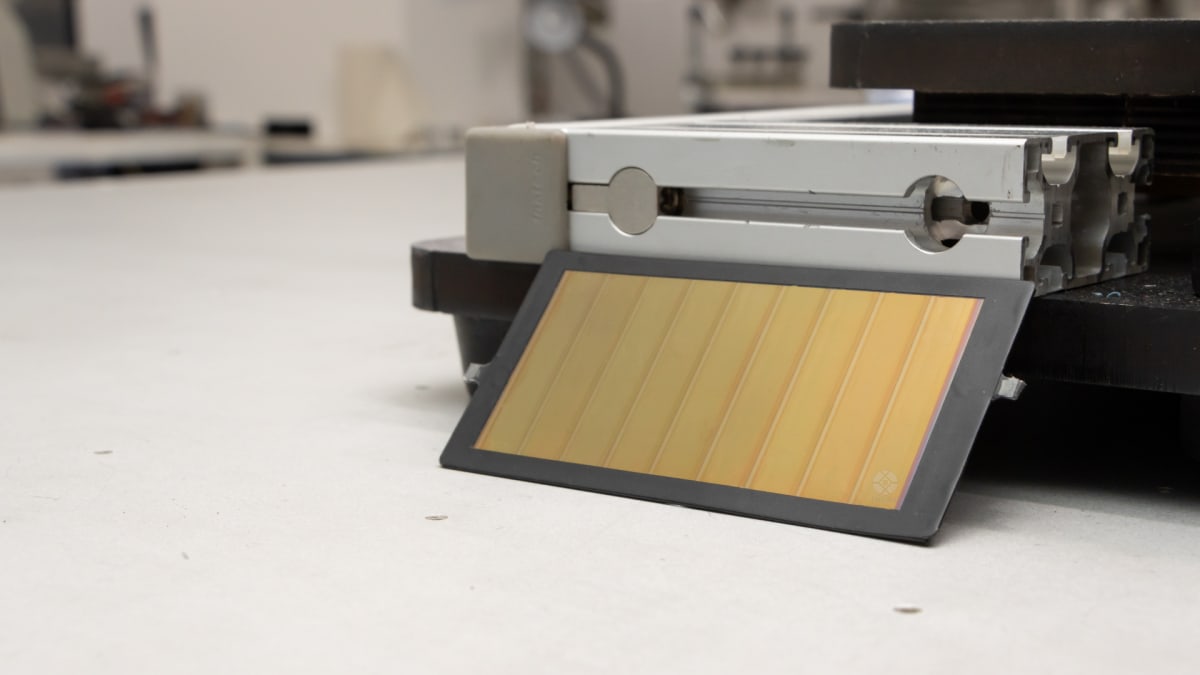
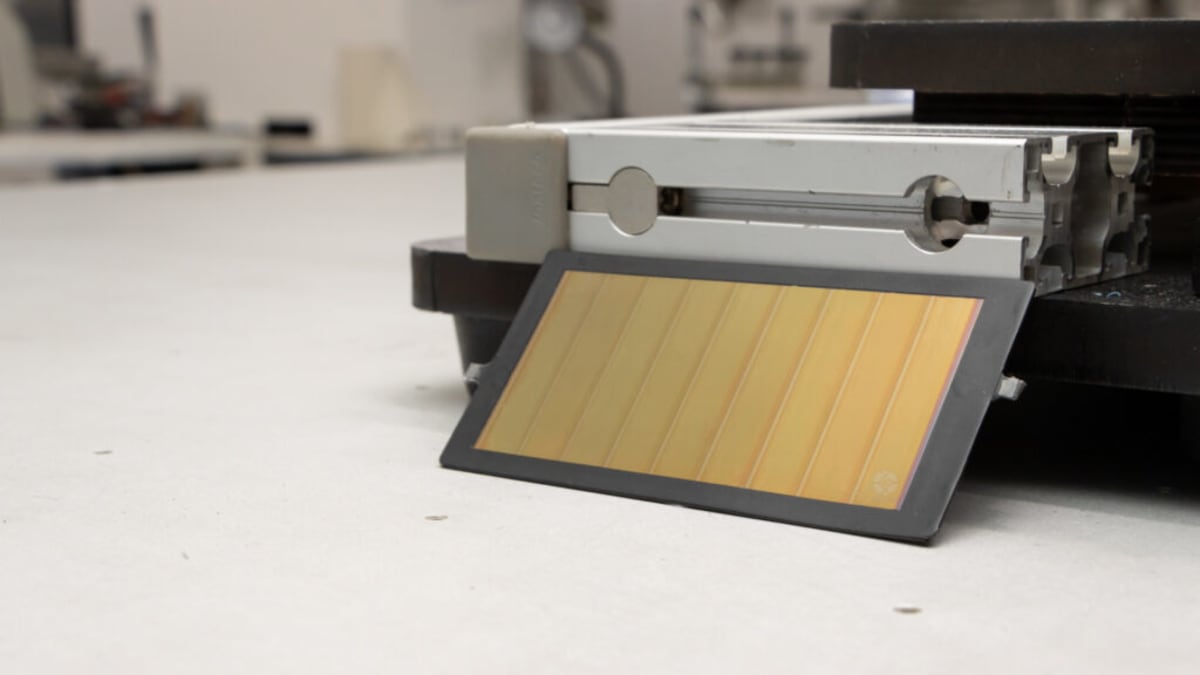
That's exactly what Halocell Energy is building in Wagga Wagga, a regional city in New South Wales, Australia. The company just signed a partnership with South Korean firm MSWay to dramatically scale up production of its bendable perovskite solar cells.
Unlike the rigid panels you see on rooftops, these ultra-thin modules can bend and flex while still generating power. They're designed specifically for satellites, long-range drones, and other applications where every gram of weight matters.
The secret sauce is MSWay's flexible transparent electrode technology. These electrodes act like the nervous system of each solar cell, collecting electrical charges and allowing light to pass through while bending without breaking.
Halocell prints these solar cells using a roll-to-roll process, similar to how newspapers are printed on large rolls of paper. This manufacturing method makes production faster and cheaper than traditional solar panel assembly.
The timing couldn't be better. Last month, Halocell received a $606,680 grant from the Australian government to upgrade its equipment and expand operations at its Wagga Wagga headquarters.
That funding will help the company boost production from 7,000 indoor solar modules per year to 100,000. The new partnership with MSWay provides the critical materials needed to make that jump possible.
The company says its modules work especially well in low-light conditions, making them ideal for indoor sensors and devices that traditional solar panels struggle to power reliably.
The Ripple Effect
This partnership represents more than just business growth for a regional Australian manufacturer. It's part of a global race to make renewable energy lighter, more adaptable, and accessible in places where traditional solar can't go.
As satellite networks expand to bring internet to remote areas and drone technology advances for delivery and monitoring, the demand for lightweight power solutions is skyrocketing. Halocell's flexible panels could help power the infrastructure connecting isolated communities to the modern world.
The collaboration also strengthens technological ties between Australia and South Korea, two nations investing heavily in next-generation clean energy solutions.
By manufacturing these advanced materials in regional Australia, Halocell is bringing high-tech jobs to areas that often miss out on innovation economy opportunities. Wagga Wagga, a city of about 57,000 people, is becoming an unlikely hub for space-age solar technology.
Every breakthrough in making solar power more versatile helps accelerate the transition away from fossil fuels, one flexible panel at a time.
More Images


Based on reporting by Regional: south korea technology (KR)
This story was written by BrightWire based on verified news reports.
Spread the positivity!
Share this good news with someone who needs it