Australian Surf Club Fixes Life-Saving Gender Gap
Women are 50% less likely to receive lifesaving defibrillation in public than men. One Australian surf club created a simple solution that's now spreading nationwide.
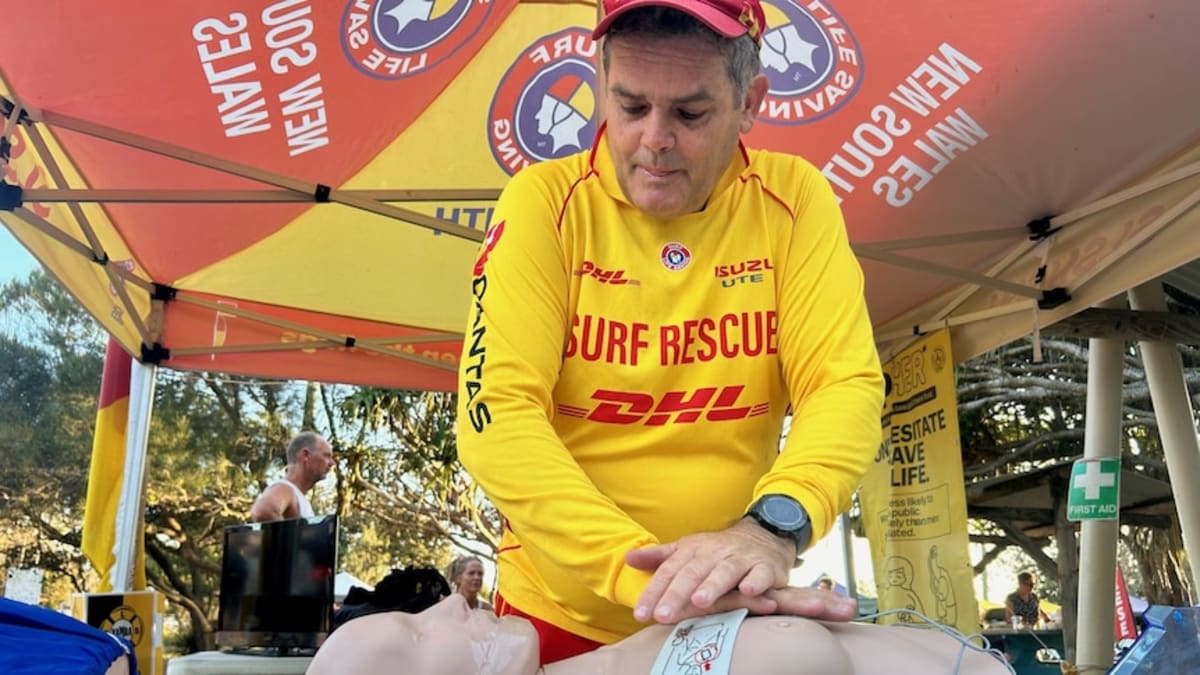
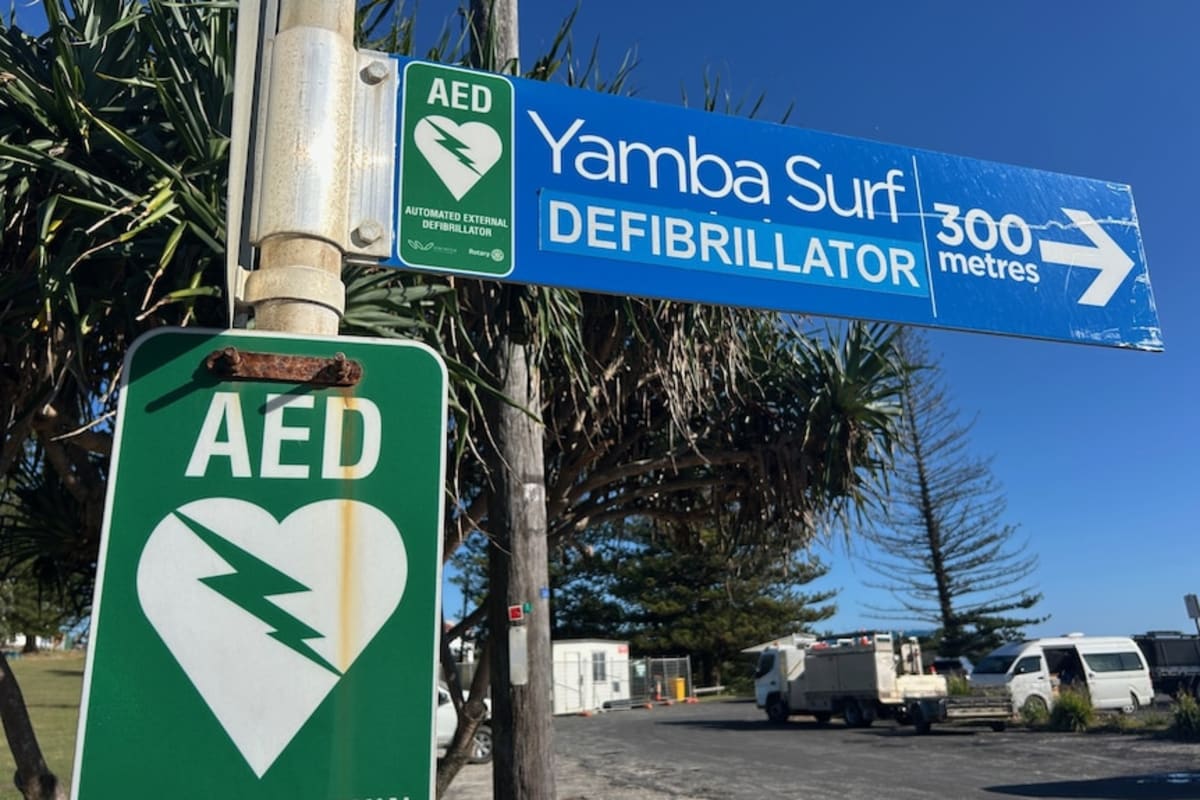
When Kieran Lynch discovered that women were significantly more likely to die from cardiac arrest in public, the father of two daughters refused to look away. As chief training officer at Yamba Surf Life Saving Club on Australia's north coast, he had the perfect platform to make a difference.
The problem was stark. A 2024 analysis of NSW Ambulance Service data revealed women were 10% less likely than men to receive CPR from bystanders in public settings. When it came to defibrillation, which requires exposing the chest, that gap jumped to a shocking 50%.
Researchers believe fear holds people back: concerns about modesty, potential harm, legal liability, and outdated perceptions that women are more fragile. "I have three sisters, two daughters and a wife, so to do nothing was not an option," Lynch said.
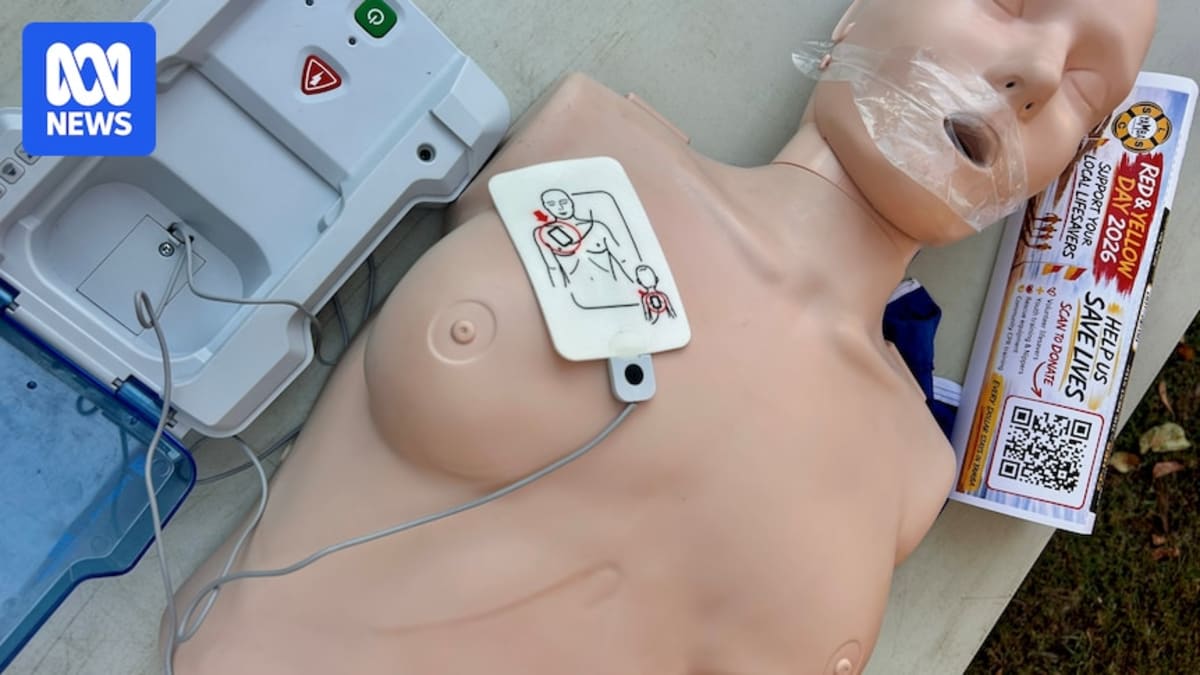
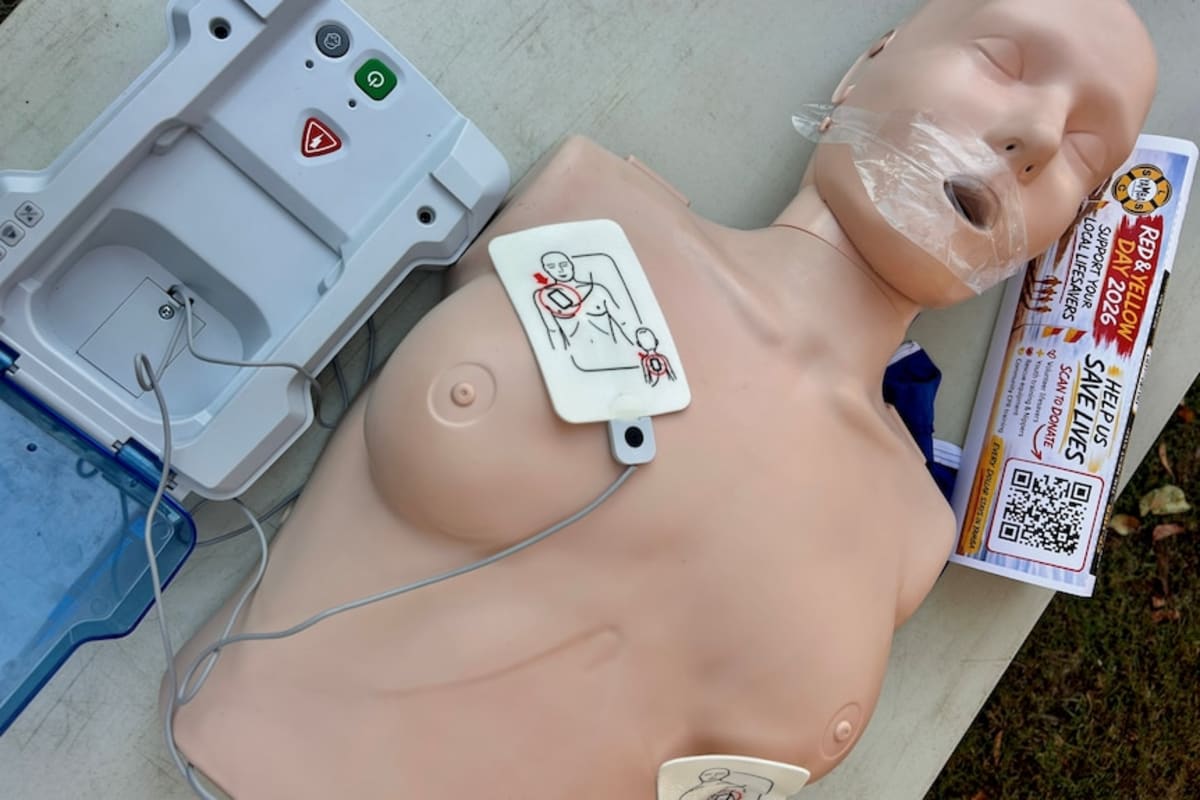
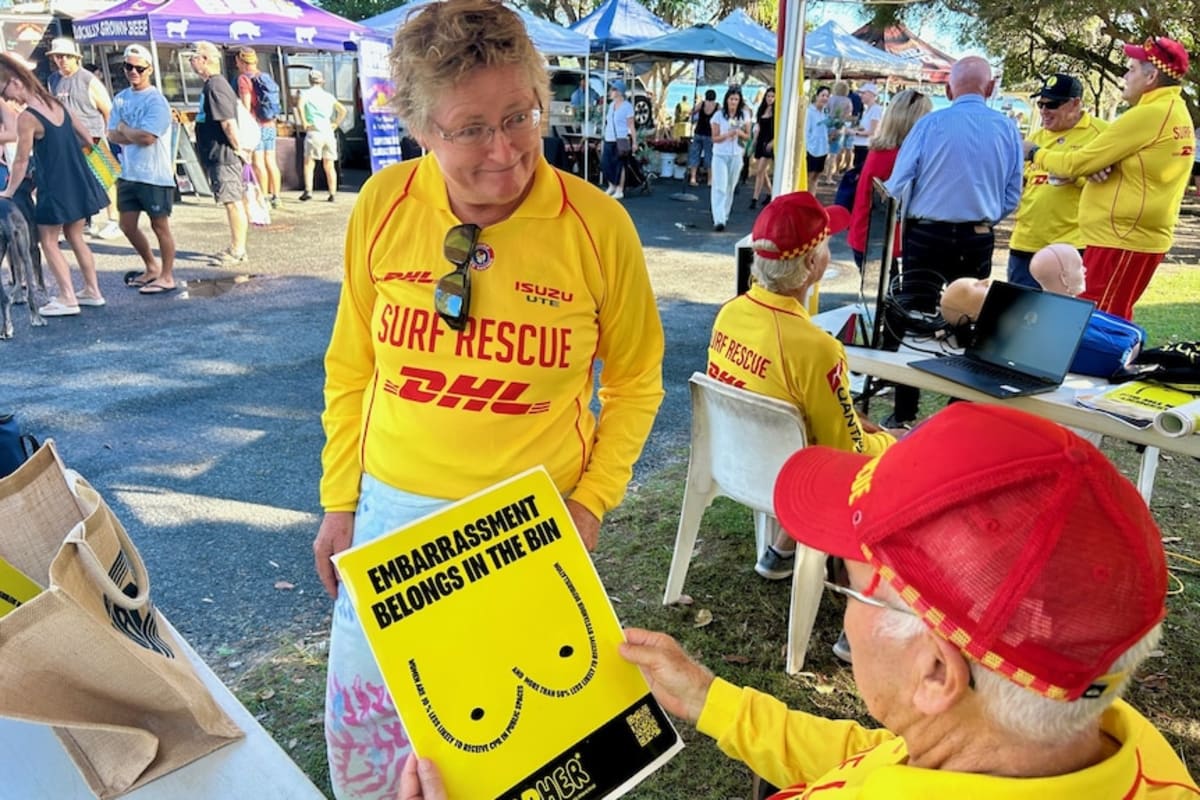
His solution was remarkably straightforward. Yamba SLSC launched "CP-Her," a program ensuring all volunteers train on both female and male manikins. The club also teaches good Samaritan laws that protect anyone acting in good faith during emergencies.
The most encouraging sign? The 12-year-old junior lifesavers didn't even blink at the female manikins. Lynch noticed the young trainees had exactly the right attitude, treating lifesaving techniques as gender-neutral from day one.
The Ripple Effect
Yamba's initiative is already making waves across Australia. Surf Life Saving Australia announced it's updating training manuals nationwide to include CP-Her elements. The organization confirmed that while trained lifesavers are expected to help anyone regardless of gender, they recognize the broader community needs this training.
The Heart Foundation's NSW general manager Simon Cowie emphasized the simplicity of the lifesaving formula. "If someone is unconscious and not breathing, the response is always to call Triple Zero, push hard and fast on the centre of the chest, and shock with a defibrillator," he said. The technique is identical for everyone, regardless of gender or age.
Volunteers are now spreading the message beyond surf clubs, setting up information booths at local farmers markets. Lynch is clear about what needs to change: even perfect awareness and technique won't help if people still perceive helping women as inappropriate or risky.
The stakes couldn't be higher, and the solution couldn't be simpler: train with realistic scenarios, educate about legal protections, and normalize lifesaving care for everyone. Thanks to one surf club's determination, that message is reaching beaches and communities across Australia.
More Images
Based on reporting by ABC Australia
This story was written by BrightWire based on verified news reports.
Spread the positivity!
Share this good news with someone who needs it