Australian Town Proposes Bold Climate Recovery Fund
After bushfires destroyed 54 homes, Mount Alexander Shire is pioneering a new approach to climate disaster funding. The council unanimously backed a proposal asking major polluters to contribute to a national climate recovery fund, shifting costs away from local taxpayers.
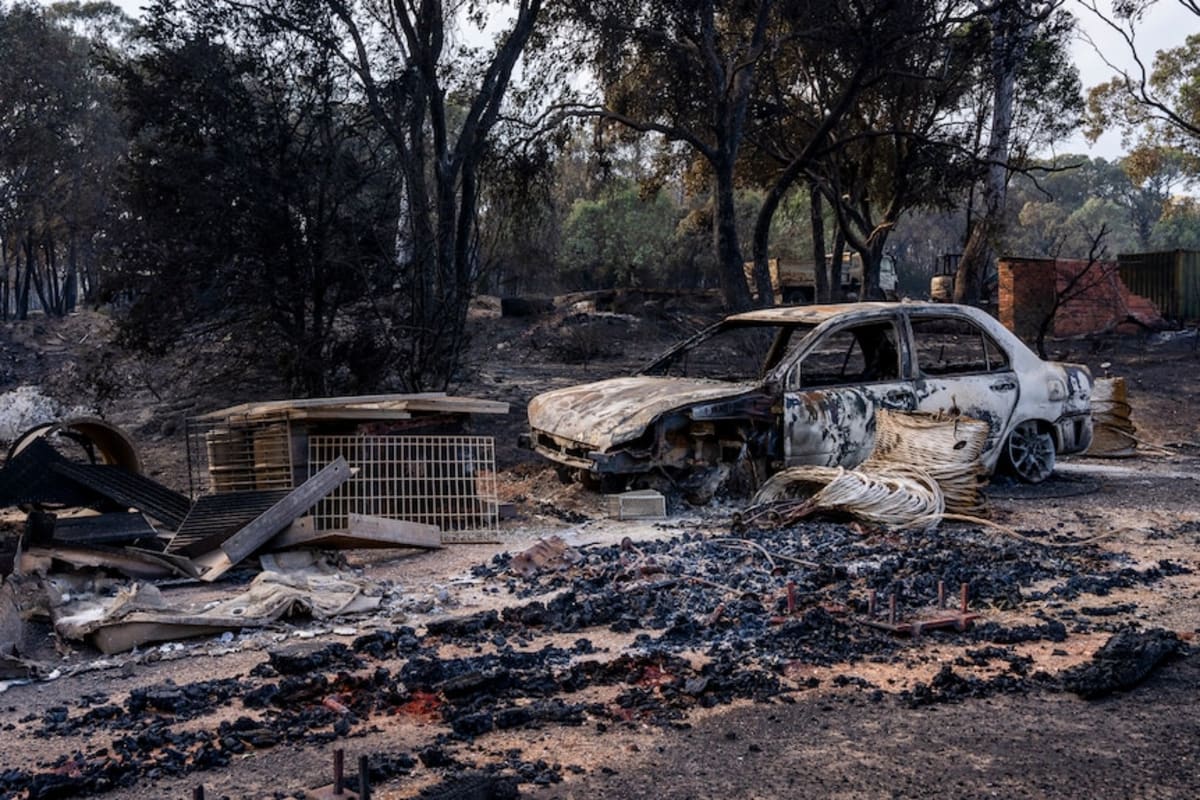
When 54 homes burned down in the Australian town of Harcourt this January, the community didn't just rebuild. They sparked a nationwide conversation about who should pay for climate disaster recovery.
Mount Alexander Shire Council, located 90 minutes from Melbourne, unanimously passed a groundbreaking motion this month. They're asking Australia's federal government to create a climate pollution levy on coal, gas, and oil corporations to fund disaster recovery across the country.
Greens Councillor Lucas Maddock proposed the idea after watching his community struggle with recovery costs. "It's only fair that big polluters help foot this bill," he told the council. "Without decisive action, local communities like ours continue paying for climate damage out of our own pockets."
The proposal addresses a growing problem facing Australian towns. Taxpayer money meant for schools, roads, and hospitals is increasingly diverted to disaster response. Insurance covers some costs, but homeowners face rising premiums and expensive climate retrofitting bills.
A recent study by The Castlemaine Institute found the average household in the shire needs about $23,000 in upgrades to become climate resilient. Maddock's own home in Barkers Creek requires $100,000 in work. "We're making really tough decisions now on what we can and can't afford," he said.
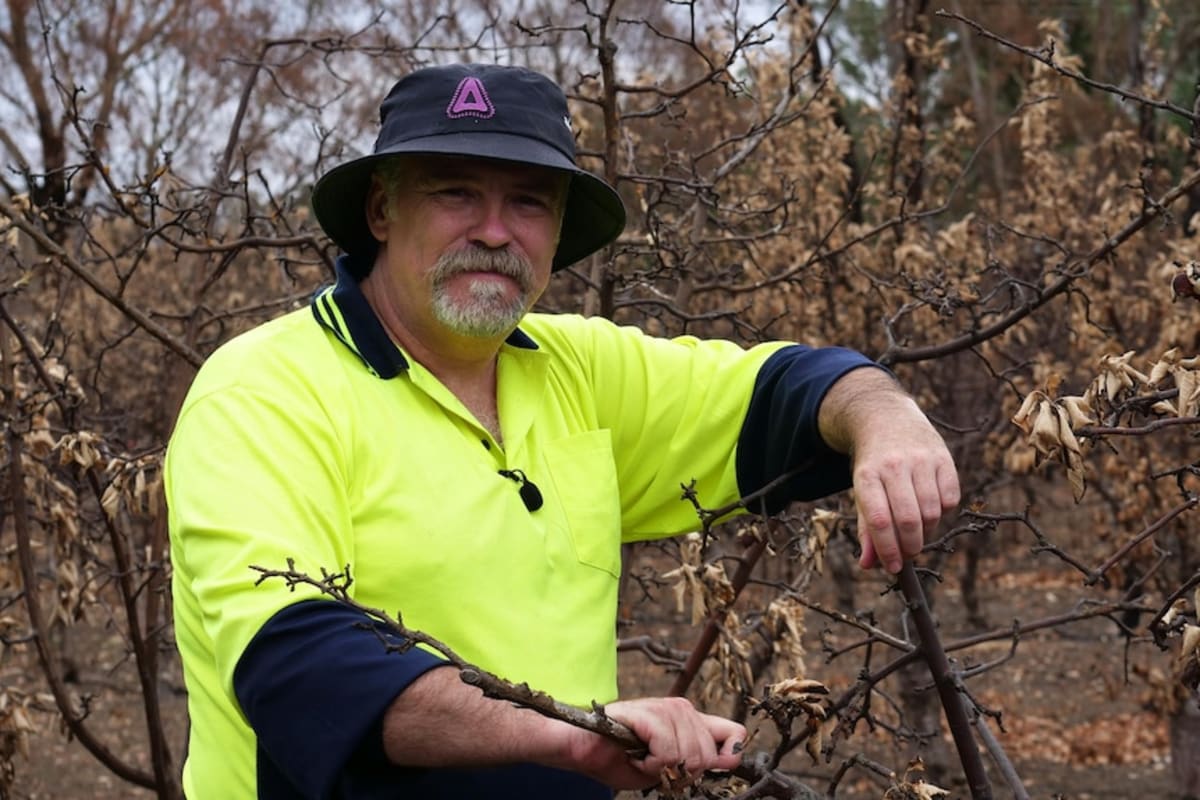
Local cider maker Michael Henry lost his home and orchard in the Harcourt blaze. While he supports a disaster recovery fund, he believes responsibility should be shared. "We all bear that responsibility," Henry said. "It's all well and good to say mining companies dragged fossil fuels out of the ground, but who's burning it? We are."
Climate activist Malcolm Robbins told the council meeting that the proposal addresses a fundamental fairness issue. "Every local community is paying the price of climate change while big corporations shift the burden onto families," he said. "Those most responsible for climate damage must adequately contribute to repairing it."
The Ripple Effect
Mount Alexander isn't stopping at their own council chambers. The motion asks Victoria's state government to support the proposal at next month's local government conference, potentially bringing dozens of other councils into the conversation.
The federal government has already invested in community resilience through its $100 million Community Energy Upgrades program. Mount Alexander received nearly $248,000 to electrify its town hall, showing government support for local climate action.
What makes this proposal remarkable isn't just the policy idea. It's watching a small community transform tragedy into constructive action. Instead of pointing fingers or giving up, Mount Alexander residents are working together to create systemic change that could help communities across Australia.
The motion passed unanimously, showing that even in disagreement about details, the community agrees on moving forward together. Henry's perspective captures this spirit perfectly: while debating who should contribute, everyone acknowledges that solutions require collective action.
As climate events become more frequent worldwide, other communities are watching Mount Alexander closely. Their approach offers a template: face challenges honestly, propose practical solutions, and work through democratic channels to create change that lifts everyone.
The town of Harcourt is still rebuilding, but they're doing more than replacing what burned down—they're building a framework for resilience that could reshape how nations fund disaster recovery for generations to come.
More Images

Based on reporting by ABC Australia
This story was written by BrightWire based on verified news reports.
Spread the positivity!
Share this good news with someone who needs it