Australians Ditch Dating Apps for Live Speed Dating Shows
Dating apps are losing hundreds of thousands of users as Australians return to meeting potential partners face-to-face. From live game shows to library speed dating, the shift toward human connection is picking up momentum.
Dating apps promised to revolutionize romance, but 23-year-old Lilian James found herself deleting and redownloading them hundreds of times before trying something completely different.
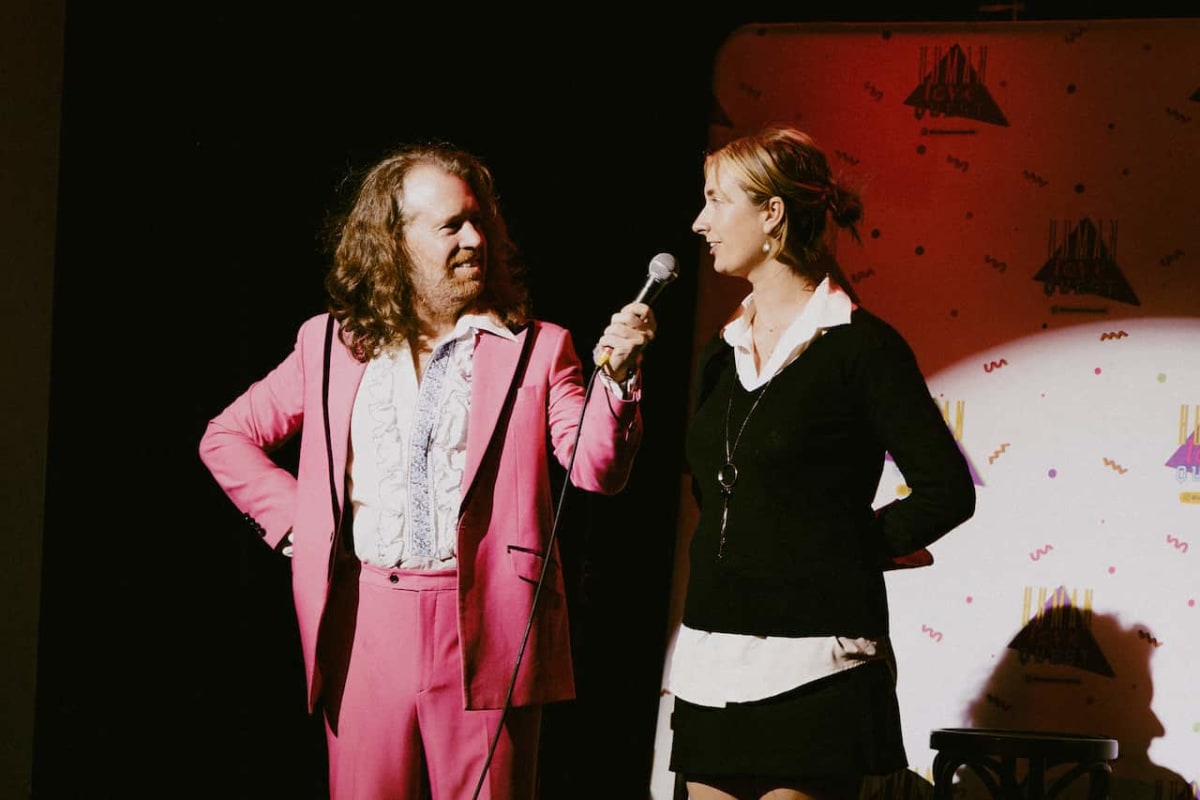
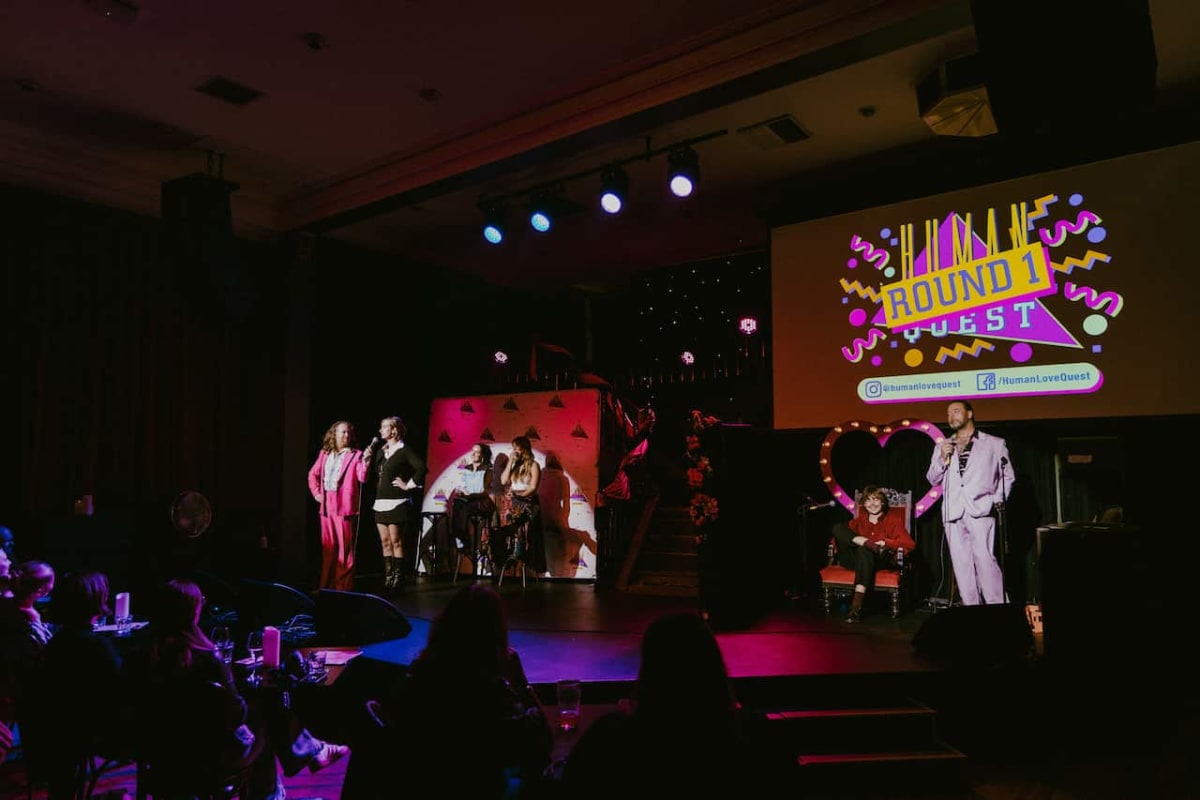
She signed up for Human Love Quest, a live dating show staged in a Melbourne pub where three contestants compete for a date based purely on personality. A flimsy board separates them from the person they're trying to win over, eliminating the swipe-based judgments that dominate apps.
"No one wants to be up at the altar and say, 'I knew you were the one when I liked you on Hinge,'" James explains. "Everyone wants to meet their partner in person."
She's not alone in her frustration. Match Group, which owns Tinder, Hinge and OkCupid, lost 704,000 paying subscribers in 2024. Bumble's shares have plummeted 95 percent since the pandemic.
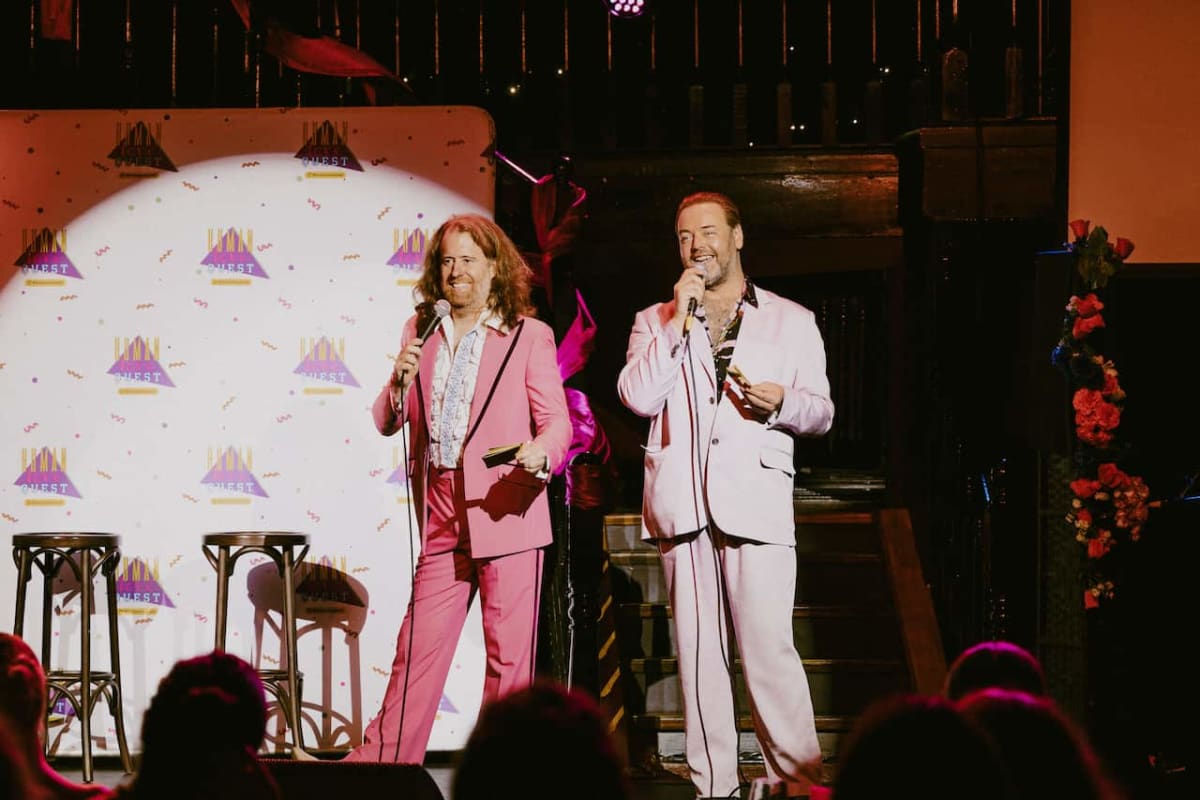
Hosts Conor Gallacher and Xander Allan started Human Love Quest as a bit of fun after COVID-19 lockdowns ended. They quickly realized people were searching for something deeper than algorithms could provide.
"People started really opening up," Allan says. "It became a lot more heartfelt than we thought it would be."
Their matchmaking process is deliberately low-tech: a Google form, a few silly questions (kiss, marry, kill: cockroaches, mosquitoes, or flies?), and genuine human interaction. Sometimes sparks fly, sometimes they don't, but the appeal keeps growing.
"People are coming up to us and saying they're so sick of the apps," Allan notes.
The Ripple Effect
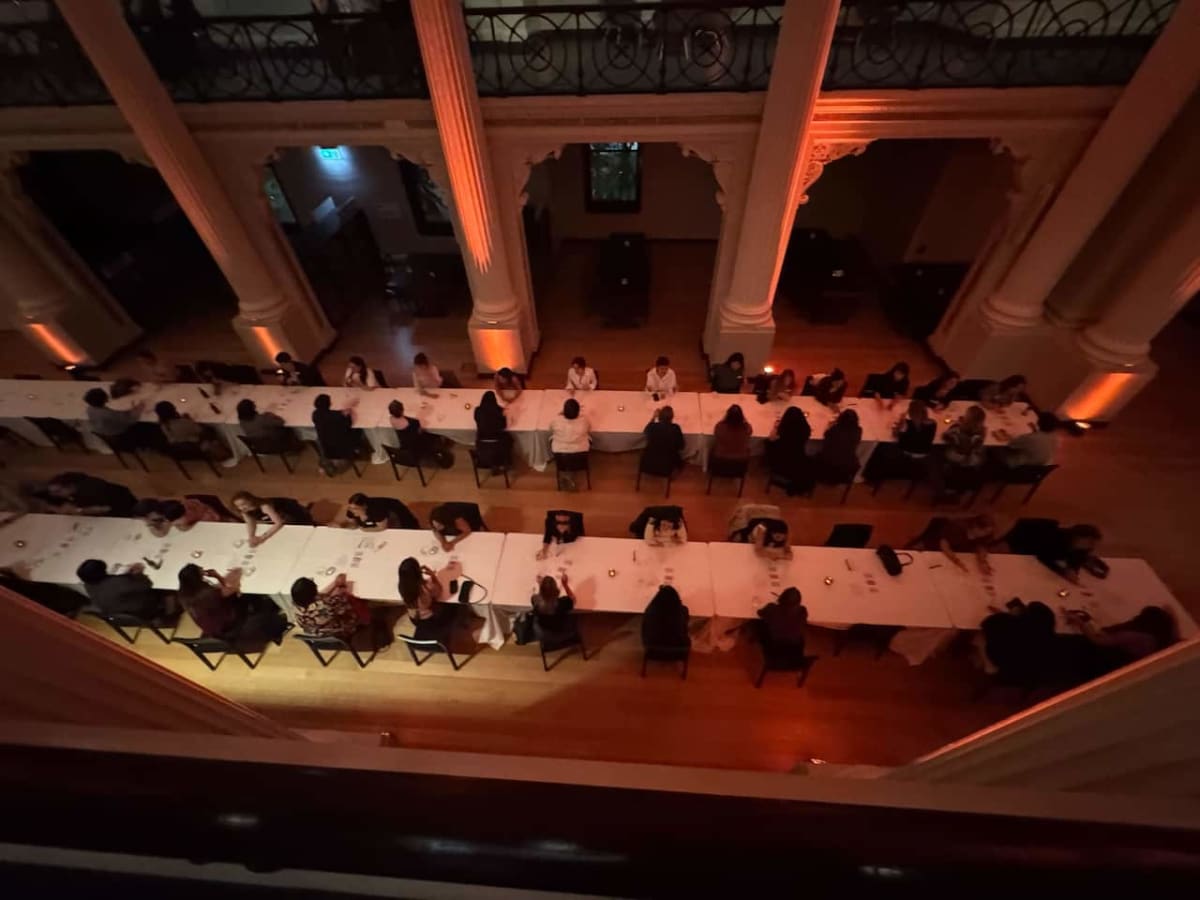
The return to in-person dating is spreading beyond Melbourne comedy clubs. Speed dating events at Victoria's State Library now pack 30 strangers into Thursday evening sessions, while similar gatherings are popping up across Australian cities.
Mathieu Lajante, a researcher at Toronto Metropolitan University who studies dating platforms, says the app experience has deteriorated because companies prioritize profit over matches. A Forbes survey found 78 percent of American daters feel emotionally, physically, or mentally exhausted by dating apps at least some of the time.
"Dating apps are primarily designed to maximize user interaction and time spent in the app," Lajante explains. "Rather than helping users find love, they are built as infrastructures of rent."
He calls it the "McDonaldisation of dating," where efficiency replaces the messy, unpredictable chemistry that makes human connection work. "They tried to eliminate all friction from dating," he says. "But human connection requires human friction as its only fuel."
The shift isn't about rejecting technology entirely, but reclaiming the spontaneity and vulnerability that screens can't capture.
More Images
Based on reporting by SBS Australia
This story was written by BrightWire based on verified news reports.
Spread the positivity!
Share this good news with someone who needs it